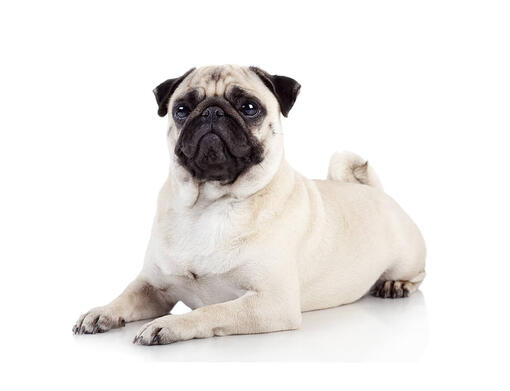
The Pug is a charming and playful breed that has won the hearts of many pet owners in New Zealand. Known for their distinctive wrinkled face and curled tail, pug dogs are small yet robust companions. Their affectionate nature and friendly disposition make them excellent family pets, as they are known to be good with children and other animals. Pugs are characterized by their sociable personalities; they thrive on human interaction and are often described as being "clownish" due to their playful antics. In New Zealand, responsible breeders focus on health and temperament, ensuring that prospective owners receive healthy pug puppies that are well-socialized. Their adaptability to various living environments, including apartments, makes them a popular choice for urban dwellers. With their low exercise requirements and love for lounging, Pugs are well-suited for a relaxed lifestyle, yet they enjoy playtime and short walks to stay healthy.
DID YOU KNOW? Napoleon’s wife, Josephine, used her Pug, “Fortune,” to carry secret messages under his collar to her husband while she was imprisoned at Les Carmes.
ALSO KNOWN AS: Chinese pug, Dutch bulldog, Dutch mastiff, Mini mastiff, Mops, Carlin
The need-to-know
- Dog suitable for non-experienced owners
- Basic training required
- Enjoys gentle walks
- Enjoys walking half an hour a day
- Small dog
- Minimum drool
- Requires grooming once a week
- Non hypoallergenic breed
- Quiet dog
- Guard dog. Barks and alerts
- Great with other pets
- Great family dog
