Sorry, you need to enable JavaScript to visit this website.
Skip to main content
6 Small Cat Breeds
4 mins read
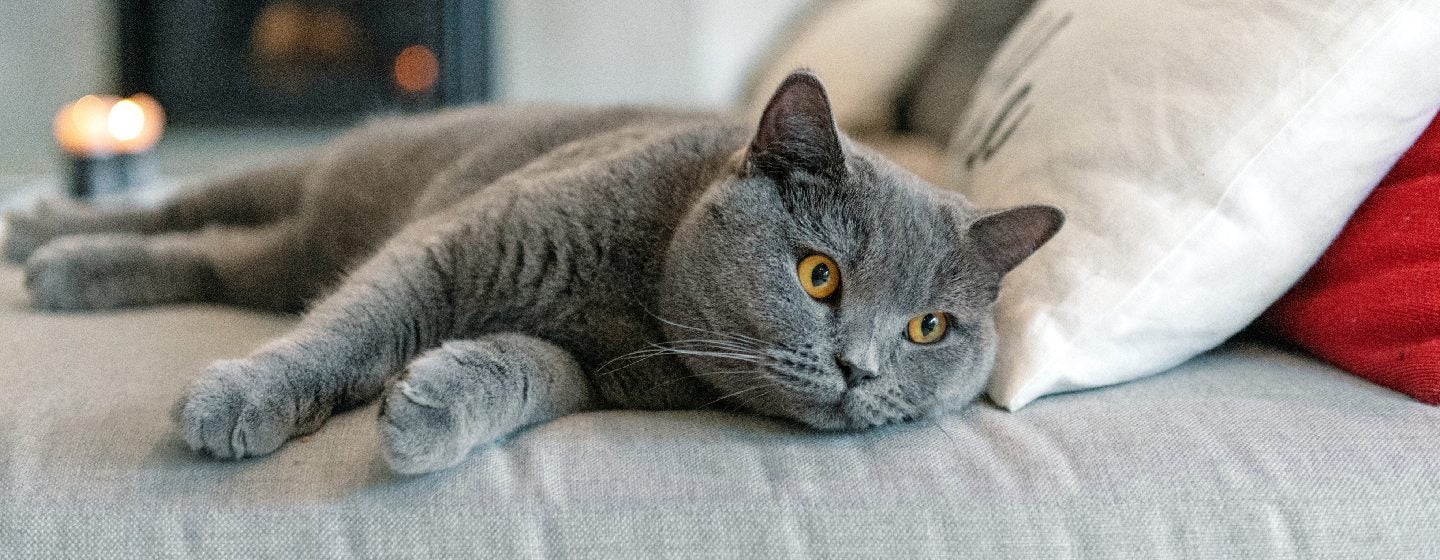
Tiny cats are completely adorable, probably because they remind us so much of kittens! Find out which cats always stay small and keep their kitten like personalities well into adulthood. No one can resist the big eyes and playful personality of an adorable kitten. They melt the hearts of anyone they come into contact with and are always guaranteed to put a smile on our faces. Sadly, the kitten period never lasts for long and while our adult cats are just as wonderful and cute, we often find ourselves missing the good old kitten days. If you want a teacup cat that stays small and playful forever, there are certain small cat breeds that keep their kitten-like appearance and attitude far into their adult years, so you can treasure the precious playful moments for longer. Small cat breeds It's quite hard to define specific small cat breeds, as even the larger breeds will sometimes have the odd small kitty, but there are some which are naturally smaller in stature. Here are our top 6 teacup cats that will always stay petite. 1. Singapura Known as one of the smallest cat breeds in the world, the Singapura is half the size of the average cat. Possessing a kitten size throughout their lives, their bodies are petite and delicate and they usually don't weigh more than 5 pounds (yep, you heard that right!). But don't let their tiny stature fool you, Singapura cats are incredibly agile and make fantastic climbers! Plus, they're the perfect companion if you want a cuddly kitty, as they love nothing more than snuggling on your lap and having a good pet. 2. Munchkin Named after the magical folk in The Wizard of Oz, the Munchkin is possibly one of the most famous small cat breeds. Their tiny size is due to a gene mutation that means that they have little dumpy legs that are much shorter than normal. While their bodies are only slightly smaller than average, their shoulders are very low to the ground, which is why they have such an adorable pottering gait. These small cat breeds may not be able to jump as high or far as the average cat, but they're very fast and active, so be prepared for plenty of kitten-like good fun in your home. Fun fact: The shortest ever munchkin was only 5.25 inches from paw to shoulder! 3. American Curl The American Curl comes in a wide range of sizes due to its diverse gene pool, however most tend to be quite petite. Their most famous characteristic is their ears which curl backwards toward the base of their skull, hence the name. Because of the curl to their ears, they require a little extra cleaning than other cats, but other than that they're a pretty low maintenance breed. This teacup cat breed is perfect if you want an affectionate cat as they have people loving personalities and incredibly playful attitudes, making them ideal for families. Fun fact: American Curls are not actually born with their unique ear shape. At birth, their ears are straight and begin to curl back within 2 to 10 days. 4. Cornish Rex The Cornish Rex is a small cat most commonly identified by its unusually curly coat. Possessing only down hair which is super soft to the touch, they're also a hypoallergenic cat breed as they don't shed very much. Where their bodies may look lithe, they tend to only weigh around 8 pounds and keep their adorable kitten like appearance and attitude forever. Fun fact: You'll have to be sure to keep the snacks locked up with this small cat breed as they have long, agile toes which are excellent at opening cabinets and doors. 5. Devon Rex
5 Hypoallergenic Dog Breeds
4 mins read
If you or a loved one suffers from dog allergies it can be really frustrating. But did you know that there are hypoallergenic dog breeds that might not provoke your allergies? Keep reading to find out more. If yourself or a loved one has a dog allergy it can be really frustrating, and you may feel like you're missing out on all the unwavering love that a dog offers. For those unfortunate enough to have an allergy, you may have heard of hypoallergenic dog breeds. These dog breeds are commonly recommended because they don't shed hair or they produce less of a protein that causes allergic reactions in people. But is there really such a thing as a hypoallergenic dog? Keep reading to find out what actually causes allergic reactions to dogs and which breeds could be best for you. What are hypoallergenic dog breeds? Hypoallergenic dog breeds tend to come in two distinct varieties: the first is dogs with little or no hair, such as the hairless Chinese Crested, and the other is breeds that don't shed their coat, which will need to have their fur regularly trimmed or stripped. There is plenty of debate around what exactly causes dog allergies, and many people believe that the allergy lies within the hair, so dogs that don't shed won't cause allergic reactions. However, this is not the case as most people with dog allergies aren't actually allergic to the fur, it's usually either to dog dander - microscopic particles of skin that shed from all animals with fur or feathers - or a particular protein that is found in dander, saliva and urine of dogs. All dogs produce this protein, but hypoallergenic dog breeds produce less, meaning that they'll cause fewer allergic reactions. Despite claims, there is actually no such thing as a completely hypoallergenic dog breed, so if you or a family member suffers from a dog allergy it's recommended that you spend time with your chosen breed first to discover if they will trigger any allergies. The following are hypoallergenic dog breeds that don't shed that may be suitable for people with allergies: 1. Bichon Frise This small, fun-loving pooch has curly white fur that keeps growing rather than shedding. Not only do they hardly ever drool, but their thick coat captures loose hair and dander, and this won't come out until the fur has been removed, so regular grooming is essential to maintain their coat. The Bichon Frise is highly adaptable to a range of situations, and if you live in an apartment these dogs can adapt relatively easily.
5 Hairless Dog Breeds
4 mins read
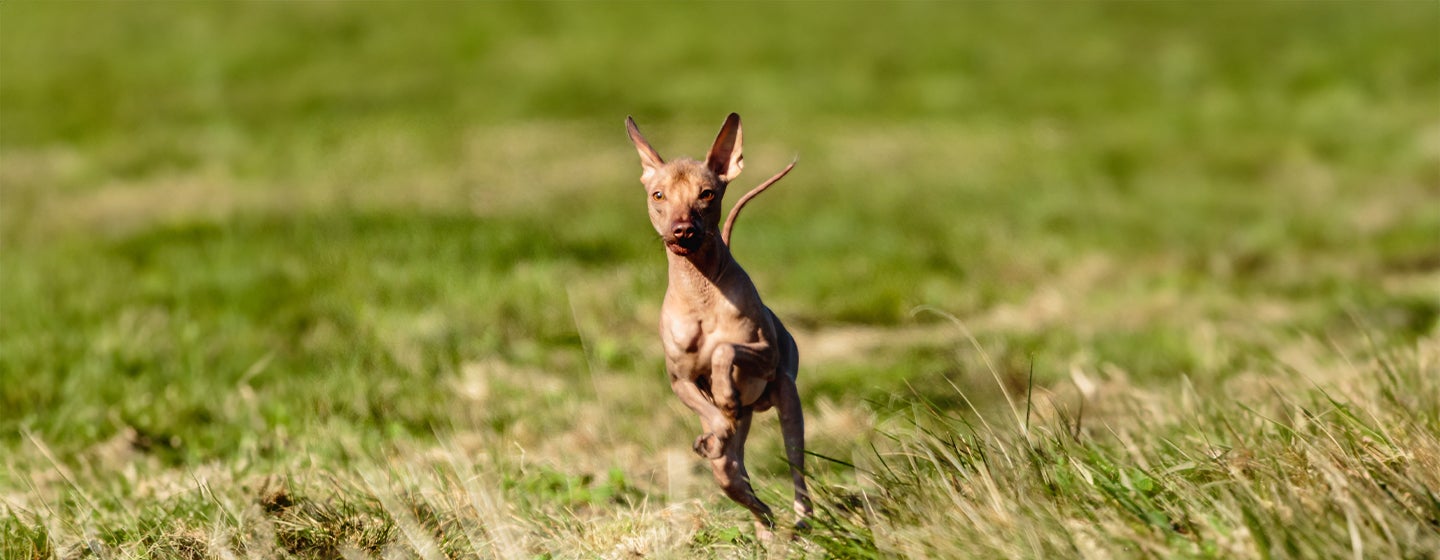
You may be more used to seeing dogs with fur, but did you know there's a wealth of dogs without the fluff too? Hairless dogs are adorable in their own right and offer perfect cuddles thanks to their soft skin and warm bodies. Find out more about hairless dog breeds, here. If you're looking for a unique pup that'll turn heads everywhere you go, a hairless dog breed may be just what you're after. Where these canines lack the typical fur that's commonly depicted on our four-legged friends, they're just as adorable or playful as their fluffy counterparts! In fact, hairless dogs are super silky, often very warm to the touch and are known to radiate warmth, so they make the most perfect snuggle companions! Keep reading to find out more about which hairless dog breeds are out there and the special requirements that come with caring for a pup without the fluff. Caring for hairless dog breeds Some owners may consider getting a hairless dog thinking that they require far less attention on the grooming front, but this is not always true. Where they do have a lot less fur to brush (if any), their skin still requires plenty of care. Interestingly, the skin of hairless dogs needs similar care to humans and will need regular baths to keep the skin clean and free of dirt, moisturising creams to prevent dryness and sun creams to prevent sunburn. Hairless dog breeds can even develop dog acne too! But don't put any creams recommended for human use on your dog as these may contain chemicals which will irritate their skin or they may be toxic. Speak to your veterinarian for advice on the best creams to use for your hairless dog. It's also important to note that dogs without hair are very sensitive to the cold and wet so you'll need to ensure that you get them a good wardrobe full of raincoats and dog coats to keep them warm and dry during walks. Now you know how to care for them, here's our round up of our top 5 hairless dog breeds:
Vaccinations for Dogs and Puppies
5 mins read
Puppy vaccinations can be a bit confusing if you’re new to dog ownership, but they’re incredibly important to not only keep your beloved pup protected from life-threatening diseases, but to stop passing illnesses on to other dogs as well. Vaccinations are an important part of your puppy’s ongoing health. When you get your four-legged friend, make sure to get their up-to-date vaccination record so you can ensure your pup gets their next vaccinations on time. By ensuring the schedule is followed you’ll be protecting themagainst any potential life-threatening diseases and ultimately, aide them in growing into a happy and healthy adult dog. If you’ve just gotten your first pup, or are thinking about it, you may be wondering all about puppy vaccinations, including schedules and how much they cost. At Purina, we’ve done all the hard work for you and have created this puppy vaccination guide to tell you all you need to know. Puppy vaccination schedule When considering your puppy’s vaccination schedule, the initial vaccinations will usually begin when your pup is aged between six and sixteenweeks of age. During this time your dog won’t be fully covered, so you won’t be able to take them for walks or have your puppy socialise with any dogs outside out of the household – but you should make sure that the dogs in your home are vaccinated too. Puppy vaccinations start at 6 weeks of age and are required every 3-4 weeks until your puppy is 16 weeks of age. Asmentioned previously, it’s important for you to ask your breeder, or if you’ve adopted your puppy – your rescue centre, which vaccines have been given and when, so you can schedule an appointment with your vet in order to complete the course. As well as their initial puppy injections, your dog will require additional booster jabs. Some vaccinations will last for three years, whereas some will require an annual or bi-annual top up to keep them fully inoculated. Don’t worry though, your vet will be able to tell you exactly what they need and when, and you can also ask for them to give you a personalised puppy vaccination schedule so you can put all those important dates in your diary. Make sure to keep your pup's vaccination records up to date and somewhere safe, it may be required when you are booking your dog into a kennel facility.
Feeding Your Dog During Pregnancy
4 mins read
Having puppies is both exciting and exhausting for you and your pet. Whilst it’s wonderful to welcome adorable bundles of fur into your home, it’s hard work for a new mum to grow, deliver and look after a mischievous litter! Therefore it’s more important than ever for you to make sure your dog is getting everything theyneeds from theirfood. Eating right will make sure that both mum and her puppies are happy and healthy. Although adult-formula food is great for everyday use, your dog will need an extra boost of nutrients when pregnant, especially if they'reexpecting a large litter. Mums-to-be can get the higher amount of energy and protein that dogs need from a high quality puppy food. Feeding your pregnant dog a puppy formula will help to support your pet during and after pregnancy. Your dog’s body condition (and any other medical requirements) can affect what nutritional demands your petwill have when expecting. You can find out more about your dog’s body condition with our body conditioning tool.
Can Cats Eat Chocolate?
4 mins read
While they’re not quite as likely to gate crash the Easter egg stash and gobble the lot like a dog might, cats can sometimes get a taste for chocolate. Most owners know that chocolate is bad for dogs, but do you know if cats can eat chocolate? Can cats eat chocolate? No, cats should not eat chocolate. Even though they’re less likely to try and steal it away from under your nose, chocolate is still bad for cats, just as it is for dogs. While a chocolate bar may not appeal to them, any kind of milk-based chocolate drink can certainly be a risk around any feline! Why is chocolate bad for cats? If you're wondering why cats and chocolate don't mix, it's because chocolate and cocoa contain an ingredient called theobromine, which is naturally metabolised in the human body, but not in cats or dogs. This leads to a toxic build-up of the substance, which can lead to some very serious symptoms, particularly liver failure. Your cat doesn’t have to eat a great deal of chocolate to suffer problems as a result, so try to keep it out of reach, and out of sight, of all your pets. It’s impossible to calculate exactly how much chocolate it takes to make a cat ill, as every animal’s metabolism is different, but there are some factors that you can take into account. This includes your pet’s size and weight, and the kind of chocolate they have eaten. Dark, bitter, chocolate has a far higher theobromine content than milk or white chocolate. Symptoms of chocolate poisoning in cats If you suspect your cat has eaten chocolate, watch out for the any of the following symptoms:
Looking After Your Dog's Claws
5 mins read
Whether your dog is an energetic puppy or a fully grown adult they will rarely, if ever, need their nails trimmed. But it’s still a good idea to keep an eye on your dog’s nails – and know how to clip them, just in case! When you go for walks together, hard surfaces such as the pavement will naturally wear your dog’s nails down, which leaves you with very little work to do. However, if your dog’s nails aren’t looking after themselves, their untrimmed nails can break, bleed or even grow into their feet, causing them a lot of discomfort. If your furry friend is a senior, walking on overgrown dog nails can cause pain if they have arthritic feet. But what should you look out for? Hearing a 'click-click-click' noise as they walk on hard floors is the most obvious sign that your dog’s nails need a clip. Dog nail clipping is relatively simple, but you need to know how to correctly clip your dog’s claws to avoid causing damage or pain, which is easily done by accident. To make things easier and less stressful for your dog and you, always consult your vet or veterinary nurse before attempting to clip your dog’s claws at home. How to clip your dog’s nails If your dog hasn’t had their nails clipped before, or if you haven’t clipped dogs’ nails yourself, it can be a strange experience for both of you! However, if you prepare well, keep your dog calm, and follow these simple steps you’ll be done in no time. And of course, if you’re still not sure, your vet will be happy to help. Before you start • If your dog is a bit nervous, stressed or upset about having his nails clipped, or at worst tries to nip you, do not try to clip his nails yourself – it’s fine to ask your vet to do it. • Most veterinary practices have clinics where dog nail clipping can be done easily and cheaply. This takes the stress away, and you’ll know your dog is being looked after by an expert. • This is especially true if his nails are very overgrown, have grown into the pad, or you have no one to help you. Trying to do it alone for the first time can be tricky for anyone! Clipping your dog’s nails • Had a tutorial from your vet/veterinary nurse? You’re ready to go! First of all, ensure you purchase the correct type of dog nail clippers from your veterinary practice or groomer. • Only use nail trimmers that have been specifically designed for pets, and ensure they are sharp and well-maintained to make the job as easy as possible. • Depending on the size of your dog, sit him on your lap, or sit on the floor next to him – he’ll find the closeness reassuring, as well as it being practical. • Ask a friend or family member to help by holding your dog’s head and providing reassurance. Even if he’s not a fan of having his nail clipped, he’ll probably enjoy the fuss! • Hold your dog's paws firmly and push lightly on the pads to make the dog nail stick out. • Starting at the very end of his nail, clip at a 45-degree angle with the cutting end of the nail clipper towards the nail. Dark dog nails If you dog has dark nails trim very thin cuttings off the end, as it’s easy to accidentally damage the ‘quick’ or soft part of the nail. If you see a black dot in the centre of his nail, you have reached the quick and should stop cutting right away. Again, your vet or veterinary nurse can help you work out how much nail to remove. White dog nails On white dog nails, the quick is in the pink section (which you cannot see in black nails) – again, try hard not to nick it! The quick contains nerves and blood vessels that when nicked will bleed easily. How often should you clip your dog’s nails? Dog nail clipping, if necessary at all, should preferably be carried out once a week, but at least twice a month depending on your dog’s needs and how often you walk on roads. It's better to take off small amounts more often than to remove large portions every once in a while. What to do if your dog’s nails bleed • Have silver nitrate sticks, which are available from your vet, and cotton wool balls nearby in case you do accidentally nick the dog nail quick. • If so, and it bleeds, don't panic – it can happen to all of us. Calmly apply the silver nitrate to the end of the claw and press it with a cotton wool ball for a moment. • If the bleeding doesn’t stop, consult your vet immediately for further help with your dog nail clipping technique. • Silver nitrate may sting, so ask your helper to hold your dog if the need arises.
All About Puppy Microchipping
4 mins read
Your dog will always do their best to love and protect you, and you can do the same by having them microchipped. Microchipping dogs means that should they ever go missing, you are giving them the best chance of being found and safely returned to you as soon as possible – even if it is with a guilty look on their face and their tail between their legs! There are many reasons your dog or puppy may got missing. They might get scared by another dog, a loud firework or rumble of thunder, or they may even become disoriented or distracted by a new environment – such as if you’re going on a new walk or have just moved house. If the worst happens and your dog gets lost, a microchip can help to ensure that they’re returned to you safe and sound. Of course, you should still make sure that your dog’s wearing a collar with their current registration tag and an ID tag with your contact details on, but sometimes these can get lost or removed. A dog or puppy microchip will always stay safely in place. If you’ve recently got a new puppy, you might be wondering about what to expect from puppy microchipping, keep reading to find out how much to microchip a dog and the current dog microchip laws. What is a microchip? A dog or puppy microchip is a tiny computer chip that’s about the size of a grain of rice that contains a unique code which corresponds with your pup’s details. The actual process of microchipping is relatively fast and simple and can help you reunite with your four-legged friend if they wander away from home. When your dog is found, a vet or animal shelter can scan the embedded microchip to find your details from the microchip database, then they’ll contact you to collect your pet. How do microchips work? When you make your appointment, your vet will talk you through the process of puppy microchipping. Then, once you’re happy to proceed, they will insert a tiny microchip – about the size of a large grain of rice – under your dog’s skin. The procedure only takes a matter of seconds and is relatively painless and the actual sensation is said to be similar to what we feel when we have our ears pierced. Once the dog microchip is in place, that’s it, your dog won’t even know it’s there! The way microchips actually work is because of the unique 15-digit code, which is logged in a national database along with your details including your name, address and emergency telephone number.
Health
Arthritis in Dogs Symptoms and Treatment
Arthritis in Dogs – Symptoms and Treatment
3 mins read
Arthritis in dogs is the biggest cause of chronic pain, particularly in older pets. With early diagnosis and appropriate management, your pet can continue to lead a happy life. Arthritis in dogs is an extremely common condition and the main cause of chronic pain in dogs. According to Canine Arthritis Management, Osteoarthritis affects an estimated four out of five older dogs, and sadly it’s progressive – meaning that it cannot be cured and gradually worsens. However, there are plenty of management options available to help slow the disease progression and alleviate the symptoms. Many dogs continue to live a happy and otherwise healthy life after diagnosis. If you suspect your senior dog has arthritis, you’ll probably be wondering about the symptoms and the current dog arthritis treatment and management options available. To help, we’ve created this guide to tell you everything you need to know about arthritis in dogs. What is arthritis in dogs? There are different types of arthritis in dogs, but usually we are referring to Osteoarthritis (OA). In a healthy joint, the bone surfaces are covered in a thin layer of smooth cartilage with a small amount of joint fluid to lubricate them – this allows them to glide over each other without friction so your dog can move freely. In a joint affected with OA, there is degeneration of the cartilage and underlying bone, leading to joint instability and pain. The process is a cycle, with these structural changes causing further inflammation and degeneration. This can also cause bone remodelling where there is new bone growth further affecting joint movement as well as weakening of the soft tissue structures around the joint – the muscles, tendons and ligaments.
What to Do If Your Dog Goes Missing
6 mins read
It’s every dog owner’s worst nightmare; one minute your dog’s there, the next they’re not. Of course it’s upsetting and stressful for you when your dog is missing, but there’s also the added worry that your pet may be scared or hurt. The good news is that there are plenty of things you can do to maximise your chance of finding your dog. Home is where the heart is If your dog has disappeared from your home, the chances are that they won’t have gone far. They may have been distracted by a passing cat, or have been tempted to wander off in search of food and simply got disorientated. Alternatively they may have been spooked by a loud noise or a rumble of thunder, and sought safety in the garden or garage of a neighbour.

Pagination

  • First page
  • Previous page
  • …
  • Page 42
  • Page 43
  • Page 44
  • Page 45
  • Page 46
  • Page 47
  • Page 48
  • Page 49
  • Page 50
  • …
  • Next page
  • Last page
Purina Pet Club logo

Join Purina Pet Club for expert tips, helpful advice, exclusive offers and rewards.

Join the Club
Nourishing pets Purina pets grid card
Purina Pet Club logo

Join Purina Pet Club for expert tips, helpful advice, exclusive offers and rewards.

Join the Club
Nourishing pets Purina pets grid card
  • Cat
    • Care & Advice
    • Find a Pet
    • Food
    • Our Brands
  • Dog
    • Care & Advice
    • Find a Pet
    • Food
    • Our Brands
  • About Us
    • Our Mission
    • Our History
    • Our Purina Promise
    • Purina In The Community
  • Other
    • Join Purina Pet Club
    • Breed Selector
    • Contact Us
  • Cat
    • Care & Advice
    • Find a Pet
    • Food
    • Our Brands
  • Dog
    • Care & Advice
    • Find a Pet
    • Food
    • Our Brands
  • About Us
    • Our Mission
    • Our History
    • Our Purina Promise
    • Purina In The Community
  • Other
    • Join Purina Pet Club
    • Breed Selector
    • Contact Us
  • Cat
    • Care & Advice
    • Find a Pet
    • Food
    • Our Brands
  • Dog
    • Care & Advice
    • Find a Pet
    • Food
    • Our Brands
  • About Us
    • Our Mission
    • Our History
    • Our Purina Promise
    • Purina In The Community
  • Other
    • Join Purina Pet Club
    • Breed Selector
    • Contact Us
  • Cat
    • Care & Advice
    • Find a Pet
    • Food
    • Our Brands
  • Dog
    • Care & Advice
    • Find a Pet
    • Food
    • Our Brands
  • About Us
    • Our Mission
    • Our History
    • Our Purina Promise
    • Purina In The Community
  • Other
    • Join Purina Pet Club
    • Breed Selector
    • Contact Us
© 2026 Purina. All Rights Reserved.

©Reg. Trademark of Nestlé S.A.

Terms & Conditions
Privacy Policy
Cookies
© 2026 Purina. All Rights Reserved.

©Reg. Trademark of Nestlé S.A.

Terms & Conditions
Privacy Policy
Cookies
© 2026 Purina. All Rights Reserved.