Sorry, you need to enable JavaScript to visit this website.
Skip to main content
Can Dogs Eat Grapes
Can Dogs Eat Grapes?
4 mins read
Offering your dog titbits of human food is usually not a good idea. And grapes are the prime example why you shouldn’t assume food is safe for your dog just because it’s safe for us humans. Keep reading to find out more about how toxic grapes are for dogs. Can dogs eat grapes? No, grapes can be highly toxic to dogs, so you should never feed this fruit to your pet and make sure that they don’t have easy access to it either. Ingesting grapes or raisins can be fatal for dogs. This is true no matter your dog’s breed, size or the amount ingested. And because scientists haven’t yet identified the exact substance in grapes that is toxic to dogs, your pet should avoid any type of grape-related product. What are the signs of grape poisoning in dogs? The answer to the question ‘can dogs have grapes’ is a resounding no. But if you’re worried that your pet has helped themself, you should contact your vet straight away, even if your pet is not yet showing any symptoms. Signs of grape or raisin toxicity include: • Vomiting • Diarrhoea • Lethargy • Panting and dry nose as symptoms of dehydration • Difficulty breathing • Excessive thirst Do not delay in contacting your vet, as your dog could develop serious health problems such a kidney failure. Why can some dogs have grapes without showing any toxicity symptoms? Whether your dog has eaten grapes in the past and seemed unaffected, or you’ve heard stories about owners feeding one or two grapes to their dog as a treat, there are many reasons why you shouldn’t assume your dog is immune to grape poisoning. Firstly, scientists haven’t yet managed to completely understand why grapes are such a toxic food to dogs. Dosage is one of the main mysteries, as some dogs become unwell after a single grape whereas others have been known to eat several without issues. While the dose considered toxic can vary from dog to dog, it’s not a good idea to try and find out what that is for your dog. Even if your pet does not show obvious signs of poisoning at first, you shouldn’t assume the pet is immune. There can sometimes be a delay in symptoms developing, and by this point your pet could already have very severe health complications. This is why, if you’ve witnessed your dog eating grapes, it’s important to call your vet immediately and not wait for symptoms to show up. The quicker the intervention, the better the chances that your dog won’t suffer fatal consequences.
Can Dogs Eat Garlic
Can Dogs Eat Garlic?
3 mins read
Garlic and its tasty smell can be very tempting for some of our four-legged friends. Whether they rush into the kitchen to see what’s cooking, or stare into your soul as you sit down for dinner, dogs have plenty of tricks up their sleeve to get a bite of whatever garlicky feast everyone in the family is enjoying. But should loving pet owners give in and offer dogs that much-coveted bite? Keep reading to find out why garlic is bad for dogs. Can dogs eat garlic? No, dogs should not eat garlic as it is toxic. This is one of the reasons it is safest not to give your dog human food leftovers from your dinner, as many meals contain garlic in some form. Why is garlic bad for dogs? Garlic is poisonous to dogs due to a compound called thiosulfate. Thiosulfate is not toxic to humans, but in dogs it causes damage to their red blood cells which are responsible for carrying oxygen around the body. When the red blood cells are damaged, less oxygen will reach your dog’s tissues, so they may appear weak and lethargic. Dogs that consume too much garlic can also end up suffering from gastrointestinal issues, which is another reason to keep the garlic cloves out of their reach. What are the signs of garlic poisoning in dogs? If you suspect your dog has got their paws on some garlic you should contact your vet for advice. Here are some of the signs of garlic toxicity: • Lethargy • Abdominal pain • Vomiting • Diarrhoea • Drooling • Panting • Weakness However, keep in mind that the symptoms of garlic poisoning may take a while before they become obvious. If you think your dog has had too much garlic but they seem their usual self, it can take a few days before the symptoms appear, and it is better not to delay contacting the vet. Can dogs eat garlic bread? No, dogs should not eat garlic bread. Even the small amounts of garlic found in bread can be harmful for your pup. Plus, garlic bread can also too much oil, butter and salt for a pet. Find out more about when dogs can eat bread with our quick guide. If garlic is poisonous to dogs, why do some experts still recommend it? Unfortunately, there is often mixed messaging, especially online. If you’ve heard about the benefits of garlic for dogs, you may be wondering how can garlic be both beneficial and toxic at the same time. The answer is that the quantity of garlic your dog consumes may affect their risk of suffering the consequences of a toxic reaction. In theory, this means that a very small quantity of garlic may not harm your dog, and some people think the nutrients can be beneficial. However, it is very difficult to know what a ‘safe’ quantity of garlic is, and as this is likely to vary between individuals, it is not worth the risk. Your pet will also be gaining all of the vitamins and minerals they need from a complete, balanced pet food which does not require supplementing. Find out more about what a balanced diet means for dogs and, if in doubt, check out our list of harmful foods for dogs.
White Dog Names
4 mins read
White furbabies looking for a name to match their extra level of cuteness are in luck. We’ve scoured the internet for the best white dog names, so you can easily choose a moniker that will do your pet’s snow-white looks justice. From the whitest of white furs to pearl-like colours and every other light-coloured dogs out there, these canines have a great choice of monikers. Here are some of the most beautiful names that will perfectly suit your pup’s personality and looks. White male dog names Is your cuddly little ball of white fur a boy? The good news is that there’s a plenty of inspiration around. From weather-related white male dog names that somehow manage to make your pet look even cuter than they already are, to some of the best pop culture references that will easily double as a great dog name, here are our top ideas: Brian Fans of Family Guy won’t need too much convincing to choose the name Brian for their smart canine companion in a white coat. But even if you’ve never seen the show, trust us. The highly intellectual pooch in the series is now part of pop culture. So, if you’re after an iconic name that will get plenty of attention when out and about, Brian is the white male dog name you’ve been looking for. Frosty A truly ‘cool’ name, Frosty will suit any dog that has a snow-white coat. It’s also extremely cute, winter-inspired and short, which is always the best way to go with dog monikers. Is your dog also a bit feisty and difficult to impress? Frosty it is then! Ice
28 Scottish Dog Names
5 mins read
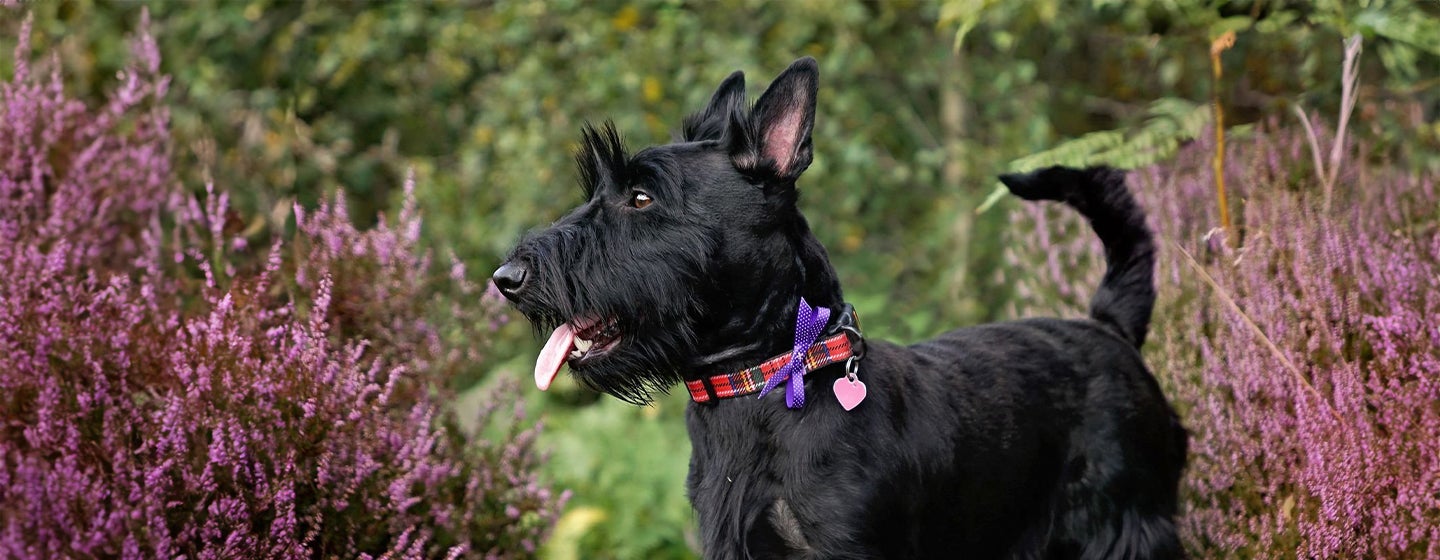
Scotland is a country of extensive beauty, of rolling green hills, gigantic mountains and towns that look fresh out of storybook. This charm and wonder that envelopes the land also transfers to their language, and the names of the towns, islands and people that are lucky enough to call Scotland home. So naturally they also make perfect names for our magical four-legged friends. Keep reading to find out our top Scottish dog names for both male and female canines and discover the perfect moniker for your new pup. Scottish girl dog names 1. Jessie This Scottish female dog name is a pet name for Jean or Jane, meaning ‘god is gracious’. 2. Maggie In Scotland, Maggie means ‘pearl’, which we think makes it the perfect choice for little white fluffy dogs, such as a Bichon Frise. 3. Shona Interestingly, Shona is the English spelling of the Scottish name ‘Seonaid’ which means ‘gift from god’. 4. Sorcha Sorcha’s a very unusual Scottish girl dog name that means ‘brightness’. As our dog’s bring such light to our lives, it’s only fitting we give them a name which means exactly that! 5. Skye
Can Dogs Eat Eggs?
Can Dogs Eat Eggs?
3 mins read
Eggs are full of protein and essential amino acids. We know eggs are utterly delicious and nutritious for us humans which is why they feature so often in our breakfasts – sunny side up, boiled or scrambled. But how about our four-legged companions? Are eggs good for dogs too? Keep reading to find out. Can dogs eat eggs? Yes, dogs can eat eggs. Although it is not recommended to feed your dog eggs every day, they should not cause harm as the occasional treat. While eggs are full of nutrients, these are not necessary for your pet’s diet as they will get everything they need from a high quality, complete dog food. As with everything you feed your dog, moderation is key, so make sure you’re not overfeeding your pet. Eggs can be prepared in so many delicious ways: hardboiled, poached, scrambled. Unfortunately, we can’t ask our canine friend directly how they like their eggs, but we do know how healthy each method of cooking eggs is. From raw to boiled, here is what you need to know about feeding eggs to your pet. Can dogs eat raw eggs? Do not feed your dog raw eggs. One of the main risks of feeding raw eggs is potential Salmonella infection. These bacteria can live on the shell as well as inside the egg and while it’s relatively rare in the UK, it’s better not to risk this. Biotin deficiency is another potential consequence of feeding your dog raw egg whites on a long-term basis. Biotin is otherwise known as Vitamin B7 and plays a role in maintaining healthy skin, supporting cell growth and supporting your dog’s metabolism. A protein called avidin, found in raw eggs, can bind biotin and reduce your pet’s intake of this vitamin. The cooking process deactivates avidin, which is why cooked eggs do not cause biotin deficiencies. For these reasons, it is always better to feed your dog cooked rather than raw eggs. Can dogs eat scrambled eggs? Scrambled eggs are ok as an occasional treat, as long as you offer them plain scrambled eggs, without any added salt, pepper or butter. This means that you should avoid sharing your breakfast with your pet, as it’s likely to contain seasoning we humans enjoy, but that can be detrimental to your pet’s health.
Feeding & Nutrition
Can Dogs Eat Coconut?
3 mins read
Coconut is a wonderfully delicious treat that finds its way into many dessert and drink recipes, and what’s more, the flesh also makes a great snack by itself. It’s not just humans that have been enjoying coconut in their diet either – recently lots of dog foods and treats have been developed that contain this tropical ingredient. But that begs the question: “can dogs eat coconut”? At Purina, we’ve got the answers you’re looking for. Keep reading to find out if dogs can have coconut, including the flesh, oil and even the milk! Can dogs eat coconut? Coconut flesh is not toxic to dogs, but it can cause problems if you feed too much. Coconut is relatively high in calories, so it can lead to unwanted weight gain. It’s also got a high fat content which can lead to stomach upsets and also increase the risk of pancreatitis, a serious condition. For this reason we only recommend feeding coconut in small quantities, and checking with your vet first. Your vet may advise against feeding coconut if your dog has certain health issues or is overweight. Can dogs eat coconut oil? Coconut oil is also non-toxic to dogs, but again it can lead to weight gain or digestive problems if you feed too much. Just as for coconut flesh, we recommend talking things through with your vet before feeding. Coconut oil is used in safe amounts in various commercial dog food diets and treats. Can dogs have coconut milk? Coconut milk is also non-toxic, but many products on the shelves will contain additional additives that you won’t find in the flesh of the coconut. This adds an extra element of concern on top of the risks of obesity and gastrointestinal problems if you feed more than a small amount. For these reasons, your vet may well advise avoiding coconut milk.
Feeding & Nutrition
8 Russian Dog Breeds
6 mins read
Russia is a land of snow-capped mountains and cities bursting with colour. But it’s not just the beauteous country which deserves a special mention, they’ve also had a hand in creating some of the best-loved dog breeds in the world today. Russian dog breeds are typically large, working type dogs created to guard and hunt. However, the Russians also lay claim to a few adorable lapdogs, mainly bred to serve as companions to the aristocracy. Keep reading to find out our top 8 Russian dog breeds, some of which may surprise you! 1. Siberian Husky
Can Dogs Eat Celery
Can Dogs Eat Celery?
4 mins read
Celery goes well with just about anything. You can add it to your salad, smoothie or soup and enjoy the nutrients this vegetable is loved for. Many pet owners have it in the fridge more often than not, which means that our canine friends are bound to get interested in having a bite sooner or later. If you’re not sure how to react to your dog’s pleading eyes, here is what you need to know about feeding celery to dogs and whether celery is good for dogs. Can dogs eat celery? Yes, celery is generally considered to be a safe food for dogs. Although it’s not part of the usual dog food menu, celery can be fed in moderation as a snack if your dog seems particularly taken with this crunchy vegetable. Is celery good for dogs? Compared to other fruits and vegetables, celery is one of the better choices for a dog that has developed a taste for green stuff. It’s got a high water content and a low calorie count, plus it contains vitamins K, A and C, as well as iron, potassium and calcium. A vegetable that’s 95% water and contains beneficial nutrients can be added to the healthy dog treats list. Although its nutritional content may suggest that celery is good for dogs, remember that a complete and balanced dog food should already give your four-legged friend all the nutrition they need for a happy and healthy life. So there’s no need to worry about adding celery to your dog’s dinner from a nutritional perspective. Given its crunchy texture, celery may also help with cleaning your dog’s teeth and freshening up your pet’s breath. What are the risks of feeding celery to your dog? Although celery is considered to be safe for dogs, every pup is different. Some dogs will love munching on this green vegetable, while others won’t even care it exists. Similarly, certain dogs can eat it in moderation without any problems, while other pets will end up with an upset stomach. Make sure that if you’re feeding your dog celery for the first time, you only give a little bit and you look out for adverse reactions. Feeding celery to your dog can also pose choking risks. The vegetable is hard and fibrous and some dogs, especially smaller ones, might struggle to eat it if it’s offered in big chunks. This means it’s really important to cut the celery into small bite-sized pieces.
Rare Dog Breeds
Rare Dog Breeds
4 mins read
From the Sahara Desert to the Norwegian islands, there are many amazing dog breeds that have kept a dedicated local fan base throughout centuries. And even though they are yet to reach the world fame of the beloved Golden Retriever or the popularity of the Poodle breeds, they are special in so many ways. These are the rare dog breeds, saved from going extinct but still not with us in large enough numbers to make dog lovers comfortable. So, whether you’re looking for an unusual dog breed to add to the family or are just curious to see what are some of the rarest dogs on the planet, here is an introduction to the world of precious canines and their fascinating abilities. Azawakh Azawakh is an elegant, rare dog breed and if you’re wondering how come you’ve never heard of these long-legged canine beauties before, that’s because until recently they’ve been roaming the lands of Western Sahara, where they originate. Although you’re still unlikely to meet one of them on their daily dog walk through the neighbourhood, Azawakh dogs are no longer confined to their homeland since the 1970s, when this unusual dog breed started to be introduced to other parts of the world as well. If you’re lucky to welcome this amazing sighthound into the family, keep in mind that their ancestors have been chasing gazelles in the desert for centuries. So, expect a born-to-run spirit and a fiercely protective nature, complete with elegant looks that’s guaranteed to make the Azawakh breed a dog lover’s favourite. Otterhound One of the world’s rarest dog breeds, the Otterhound is a British native that was once the trusted otter hunter partner of many Medieval fishermen. Their numbers are unfortunately dwindling, with less than 1,000 Otterhounds in existence around the world, making them quite an unusual sight these days. But you’ll have no trouble recognising them. A shaggy mane of hair, boisterous personality, waterproof coat and extremely affectionate nature – that’s the beloved Otterhound in a nutshell. Lagotto Romagnolo
Can Dogs Eat Carrots
Can Dogs Eat Carrots?
2 mins read
Carrots are a wonderfully healthy food for humans. They’re packed full of vitamins and minerals, and they’re tasty too – they make the perfect addition to a roast, and can also be enjoyed as a snack when cut into sticks and served with a generous helping of hummus! As they’re so good for us, you may be wondering whether they have the same benefits for our canine companions too. Keep reading to find out if carrots are good for dogs and how best to add them to your dog’s diet. Can dogs eat carrots? Yes, dogs can eat carrots! In fact, carrots are often included in both wet and dry commercial dog foods. What’s more, dogs can eat raw carrots and often enjoy them as a treat, as they produce an extremely satisfying crunch! It’s fine to feed dogs cooked carrots too. Many dogs just love the taste of carrots. Are carrots good for dogs? It’s true that carrots do contain vitamins and minerals, but your dog should get everything they need from their complete and balanced diet, so there’s no need to worry about adding carrots to their food for the nutritional benefit. Carrots are good for dogs as a healthy treat, especially if you’re watching your dog’s waistline. Don’t feed too many though, as carrots are surprisingly high in natural sugars. Always follow the same rule as you would with feeding any other treat, and make sure that carrots and other snacks don’t make up more than 10% of your dog’s daily calorie intake.

Pagination

  • First page
  • Previous page
  • …
  • Page 11
  • Page 12
  • Page 13
  • Page 14
  • Page 15
  • Page 16
  • Page 17
  • Page 18
  • Page 19
  • …
  • Next page
  • Last page
Purina Pet Club logo

Join Purina Pet Club for expert tips, helpful advice, exclusive offers and rewards.

Join the Club
Nourishing pets Purina pets grid card
Purina Pet Club logo

Join Purina Pet Club for expert tips, helpful advice, exclusive offers and rewards.

Join the Club
Nourishing pets Purina pets grid card
  • Cat
    • Care & Advice
    • Find a Pet
    • Food
    • Our Brands
  • Dog
    • Care & Advice
    • Find a Pet
    • Food
    • Our Brands
  • About Us
    • Our Mission
    • Our History
    • Our Purina Promise
    • Purina In The Community
  • Other
    • Join Purina Pet Club
    • Breed Selector
    • Contact Us
  • Cat
    • Care & Advice
    • Find a Pet
    • Food
    • Our Brands
  • Dog
    • Care & Advice
    • Find a Pet
    • Food
    • Our Brands
  • About Us
    • Our Mission
    • Our History
    • Our Purina Promise
    • Purina In The Community
  • Other
    • Join Purina Pet Club
    • Breed Selector
    • Contact Us
  • Cat
    • Care & Advice
    • Find a Pet
    • Food
    • Our Brands
  • Dog
    • Care & Advice
    • Find a Pet
    • Food
    • Our Brands
  • About Us
    • Our Mission
    • Our History
    • Our Purina Promise
    • Purina In The Community
  • Other
    • Join Purina Pet Club
    • Breed Selector
    • Contact Us
  • Cat
    • Care & Advice
    • Find a Pet
    • Food
    • Our Brands
  • Dog
    • Care & Advice
    • Find a Pet
    • Food
    • Our Brands
  • About Us
    • Our Mission
    • Our History
    • Our Purina Promise
    • Purina In The Community
  • Other
    • Join Purina Pet Club
    • Breed Selector
    • Contact Us
© 2026 Purina. All Rights Reserved.

©Reg. Trademark of Nestlé S.A.

Terms & Conditions
Privacy Policy
Cookies
© 2026 Purina. All Rights Reserved.

©Reg. Trademark of Nestlé S.A.

Terms & Conditions
Privacy Policy
Cookies
© 2026 Purina. All Rights Reserved.