Sorry, you need to enable JavaScript to visit this website.
Skip to main content
Why The Right Nutrition Is Important For A Senior Dog
2 mins read
Is your dog seven years or older? It may be hard to believe, but he is approaching his senior years. And if he’s a large breed, he may reach his senior years even earlier. Like humans, dogs undergo physical changes as they age, causing their nutritional needs to change as well. That’s why it’s important to feed your dog the right food to nourish his aging body and mind. When choosing a dog food for senior dogs, consider the following factors: Activity Level Older dogs are usually less physically active than younger dogs, which makes them prone to gaining weight. Dog food for older dogs often has fewer calories to help older dogs maintain a healthy weight and ideal body condition. If your older dog is not as active as he used to be, you may want to consider a senior formula that has fewer calories than his adult formula to help prevent weight gain. Even if your dog has slowed a bit, you still want him to be strong and active. To help support mobility and strong muscles, dog food for senior dogs often has higher protein levels than adult formulas. In fact, increased dietary protein can actually help slow age-related loss of lean body mass and support a healthy immune system. Glucosamine is also added to senior formulas to help support healthy joints. Mental Sharpness As some dogs age, their brain cells may have difficulty obtaining the right amount of energy, causing their mental processes to change. Older dogs may also show less interaction with you and lower engagement in daily activities. Glucose The brain uses a tremendous amount of energy. This energy travels in the blood, and reaches the brain cells through glucose pathways. The problem is that some senior dogs may have difficulty absorbing glucose in the brain at the proper levels. As dogs age, their capacity to use glucose as an energy source decreases due to wear and tear in the cell. This leads to loss of basic cognitive functions. Purina set out to provide energy to the brain through a second pathway. After looking at hundreds of ingredients, we tested an alternate source of energy calledmedium chain triglycerides (MCTs),which enter the cell through an alternate pathway, to see if they could change the behaviour of senior dogs. Fatty acids in MCTs, sourced from enhanced botanical oils, are easy for your dog to convert into brain-friendly fuel that feeds the neurons and keeps the brain cells active. The results were even better than we expected. After only a short time consuming MCTs, dogs were making fewer errors and adapting to new situations faster.
Dog Dental Health
1 min read
Your dog’s dental health is very important. Healthy teeth and gums are the first step in the utilisation of the important nutrients your dog’s food provides. The ability to effectively chew food is a vital precondition for digestion. Signs of Healthy Teeth and Gums • Chewing reduces kibbles to smaller pieces that allows for the optimal digestion and utilisation of nutrients. • Feeding an appropriate diet to your pet can help to limit plaque and tartar build-up. • Check your dog regularly for signs of plaque and tartar build-up and see your veterinarian on a routine basis for examination and cleaning, if necessary.
Bone and Joint Health
1 min read
Bones and joints benefit from a properly balanced diet. Although we think of bones and joints as static, or completely developed once adulthood is reached, they are constantly restructuring themselves. Therefore, to stay healthy, they need a constant supply of nutrients including protein, water, and minerals like calcium and phosphorous. Signs of Healthy Joints and Bones Here are some signs that may help identify bone and joint health: • Normal range of motion and flexibility. • Ability to perform routine tasks or movements, i.e. climb stairs, jump up or down, or play. • Cat exhibits the proper posture or stance. • Continued ability and interest in play and/or exercise.
Body Condition
2 mins read
A cat’s health and well-being throughout their life are impacted by body condition. Maintaining an ideal body condition is vital to help reduce the chances of your cat developing weight related conditions that can be both painful and life shortening. The chart below will help you to identify what the ideal body condition should look and feel like for a cat. Underfed 1. Ribs visible on shorthaired cats; no palpable fat; severe abdominal tuck; lumbar vertebrae and wing of ilia easily palpated. 2. Shared characteristics of BCS 1 and 3. 3. Ribs easily palpable with minimal fat covering; lumbar vertebrae obvious; obvious waist behind ribs; minimal abdominal fat. 4. Shared characteristics of BCS 3 and 5. Ideal 5. Well-proportioned; observe waist behind ribs; ribs palpable with slight fat covering; abdominal fat pad minimal. Overfed 6. Shared characteristics of BCS 5 and 7. 7. Ribs not easily palpated with moderate fat covering; waist poorly discernible; obvious rounding of abdomen; moderate abdominal fat pad. 8. Shared characteristics of BCS 7 and 9. 9. Ribs not palpable under heavy fat cover; heavy fat deposits over lumbar area, face and limbs; distention of abdomen with no waist; extensive abdominal fat deposits. Your cat should be well proportioned with an obvious waist, palpable ribs with a slight fat covering, and a minimal abdominal fat pad which shouldn’t be hanging down. Obesity in cats is the number one health problem they face today, so maintaining an ideal body condition can reduce a variety of health issues such as heart and breathing issues, diabetes, skin problems and heat stress, as well as increased stress on the body’s skeleton, ligaments and tendons which can lead to arthritis. Just like humans, the main reason for obesity in cats is excess calories and little or no exercise. If your cat needs to lose weight here are some tips to help her reach her ideal weight. • Cut out all human scraps that your family may be feeding your cat. • Limit the treats you’re feeding your cat. These are often excess calories eaten on top of an already fully balanced diet. Excess treats may also make her lose her appetite for nutritionally balanced food. Remember that the caloric intake from treats should not exceed 10% of a cat’s total daily caloric requirement. If you give your cat treats, you should reduce the amount of food you give her accordingly. • Reduce your cat’s caloric intake by feeding less and by feeding a weight management food that has reduced calories. Also measure your pet’s food. Without measuring it’s easy to overfeed. • Introduce extra activity and play into her daily routine which isn’t always easy with a cat but try dangling a piece of string in front of her or roll a ping pong ball across the floor. • Feed multiple times a day. If you have a cat that can monitor their own feeding you can measure out their daily intake and pop it down in the morning for them. If they choose to eat their daily allowance in one intake then try spreading it out across the day – this will make them feel more satisfied and fuller and also encourages them to get up and move to their bowl.
Dog Immune System
1 min read
Healthy dogs are usually alert, curious about their environment and have a good appetite. Outward Signs Although the immune system generally functions on the inside, there are some outward signs that indicate robust good health: • Sleek, shiny coat • Active and energetic • Clear, bright eyes • Alert posture • Normally healthy skin; supple skin • Healthy gums • Good lung capacity; easy breathing • Strong muscles, healthy lungs • Resistance to disease
Dog Skin, Coat and Eyes
1 min read
Healthy skin and a shiny, well-groomed coat not only enhances your dog’s appearance, it makes your dog feel more comfortable and less prone to skin irritation and external parasites. Signs of Healthy Coat and Skin • Normal, healthy skin colour ranges from pale pink through to shades of brown to black. • Healthy skin is smooth, pliable and free from dandruff and odours. Signs of Healthy Eyes • Clear, bright eyes which are free of discharge are also a sign that your dog is feeling their best.
Dog Digestion
1 min read
Digestibility is the percentage of a food’s protein and other nutrients available and utilised by your dog. Assuming your dog is in good health, digestibility can be judged by their stool quality and volume. Small, firm stools are a sign that better nutrition is making a difference inside your dog and less of the food is passing through as waste. Any one of a number of factors influence digestibility: FORMULA OF THE FOOD BEING FED The digestibility of the food will vary as the ingredient composition varies. NUTRITIONAL BALANCE The correct ratio of nutrients in the diet helps to ensure efficient utilisation of them by your dog. INGREDIENT QUALITY Lower quality ingredients can affect the digestibility of a pet food. PROCESSING Even a formula of good quality ingredients can have its digestibility reduced by over-cooking or over-processing.
Small Dog Wellbeing
3 mins read
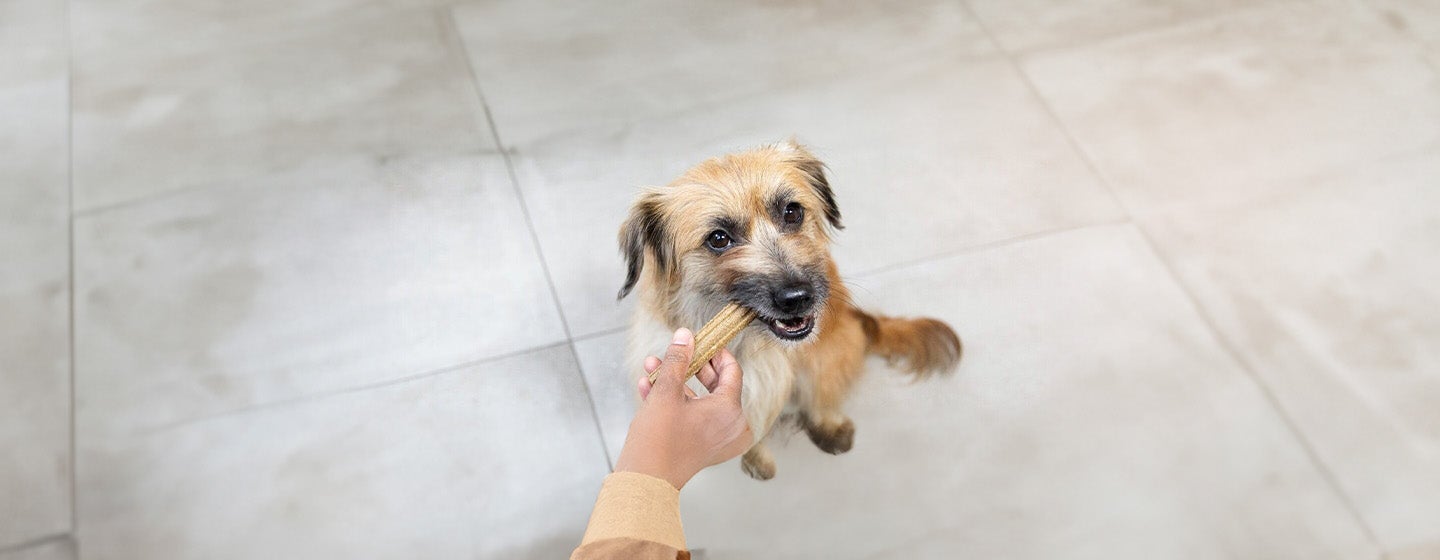
Physical wellbeing How to keep your small dog fit and well, as he grows and matures Although every small dog breed is unique, most will share the same health care needs. Regular check-ups by your vet can prevent health problems developing, and it also helps your small dog become familiar with the veterinary practice, the things that go on and the people who work there. Vaccinations protect against serious illnesses, like viruses, and regular flea and worming treatments help keep parasites at bay. Establish a vaccination routine Whatever your small dog’s age, he will need vaccinations or boosters every year to protect against potentially fatal diseases. Keep your small dog’s vaccination record in a safe place, and ask your vet’s practice if it offers a vaccination reminder service – if more than 15 months passes between boosters, your small dog may have to start his vaccination program again. Your small dog may feel a little feverish after a vaccination, but he should soon recover. If you have any concerns after a vaccination, always contact your vet. Watch out for common illnesses Your small dog may suffer from a tummy bug or dry, flaky skin at some stage in his life – these are both common health conditions and a trip to your vet should put your mind at rest. Sometimes, a gradual change to your small dog’s feeding plan can make a positive difference. While large dog breeds are prone to arthritis in old age, small dog breeds are less vulnerable. However, if your small dog appears to be limping, or having trouble getting up, always have a chat with your vet. Prevent accidents Small dogs can have unexpected accidents. Avoid ‘ticks’ (a nasty parasite that often resides in long grass) and eye damage from sharp spiky plants, by walking your small dog in open spaces. Never try to deal with ticks yourself – they are tricky things to remove and are best tackled by your vet. You can prevent choking by only giving your small dog pieces of food that are small enough to chew and swallow easily. Also, use a ball rather than a stick for playing fetch. Keep them off high surfaces where they may fall and injure themselves. Simple dental care Dental hygiene is extremely important. You can help your small dog to keep his teeth clean by feeding dental chews and encouraging play with rubber toys he can chew on to help clean his teeth. With patient practice, you can also brush your small dog’s teeth regularly with a soft finger brush and a pet-safe toothpaste – after a mealtime. Start with the side teeth towards the front, rather than the incisors, and brush the outer surfaces of the teeth in a gentle circular action – try to keep your brush at 45° to the gum-line. Dental problems are very painful and could lead to infection. Watch out for swollen gums, bad breath and drooling – if your small dog shows any of these symptoms, have a chat with your vet. Stay active Although it is tempting to scoop up and carry your small dog if you are in a hurry, it is important to help him stay active at every age. Regular exercise will boost your small dog’s energy levels, keep his weight stable, and maintain a healthy heart and a strong immune system. Healthy ways to exercise Vary your routine by walking at different times of the day and visiting different places. Young small dogs will also appreciate walking on soft surfaces like grass and sand until their paw-pads have hardened. Remember not to overdo it though, and try not to exercise your small dog soon after a meal. Always watch him when you are away from home, in case he tries to eat or drink something he should not. Offer him fresh water and a cuddle after a walk or a lively game.
Small Dog Development
3 mins read
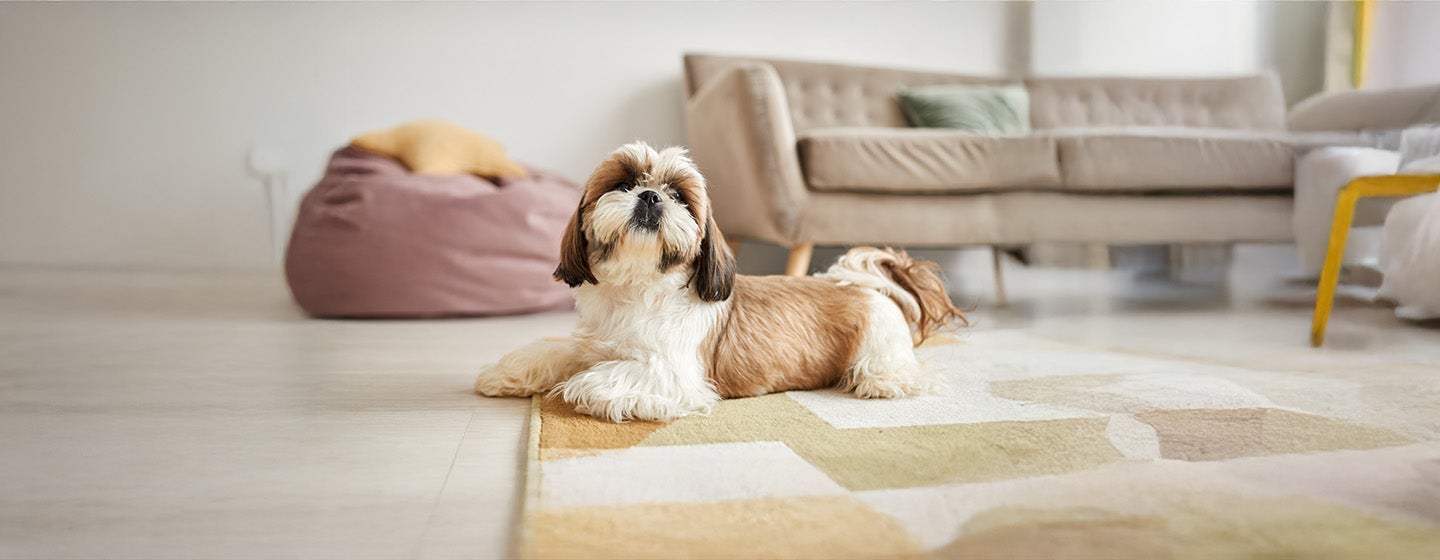
Time to Grow How to plan and prepare for your small dog’s needs as he grows and develops Unlike some large dog breeds that can reach an unhealthy weight with too much food and not enough exercise, small dog breeds and toy dog breeds burn calories quickly. In fact, a Pomeranian needs more than twice as many calories per kilogram as a Great Dane. With regular exercise and the right diet, it is unlikely that your pet will develop into an overweight small dog. But it is still very important to keep an eye on your small dog’s weight, his shape and his energy levels, as he grows from a puppy into adulthood, or from an adult into a senior dog. Learn about body conditioning Your vet will probably use a system called ‘body conditioning’ to check if your small dog’s weight is fine. This means to do an evaluation of his body shape and fat stores, standing behind your small dog and looking at his shape, from the side and from above. Your vet will also feel your small dog’s rib cage, around his neck and underneath his belly. On a healthy, active small dog, you should be able to feel his ribs and see the definition of his waist, and his tummy should not droop downwards. There should be no fat around his neck, either. Ideal weight & shape Every small dog breed is different so it is important to ask your vet what a healthy weight and shape should look like for your small dog’s breed – for example, the ideal weight for a miniature Dachshund (around 4.5kg) is very different to that of a standard Dachshund (up to 12kg). Bichon Frise and Shih Tzu breeds both have a thick, fluffy coat, which can make these small dogs look heavier than they really are. Mealtimes with bite Small stomachs and little mouths give small dogs a healthy appetite – especially at the puppy stage when your small dog will use up the energy from each meal in a matter of hours. Feeding little and often – up to three or four meals a day – is advisable. Your small dog will appreciate nutritionally complete dry recipes with smaller pieces of crunchy kibble or moist meals with small chunks of meat and vegetables – either of which will be easy for your small dog to chew and digest. Make regular checks If your small dog has a healthy weight and shape right now, take a photo. Then set up a reminder in your diary to check and note your small dog’s weight and shape every two months – including a photo each time. If you do notice any obvious increase or loss of weight, always contact your vet for advice. Deal with fussy eating Some small dog breeds, such as the Bichon Frise and the Yorkshire terrier, are known to be picky eaters, and will often leave meals unfinished. Keeping an eye on your small dog’s weight and body condition will make sure any loss of weight does not go unnoticed. It also means you can gradually make effective changes to your small dog’s feeding plan over a two-week period. Small dog feeding tips Fussy eaters will appreciate little meals, served more often – up to three times a day. The best choice is a nutritionally complete dog food for small dogs – either dry food with small pieces of crunchy kibble to suit little mouths, and/or moist meals with small chunks of meat and vegetables. Both options are easy for your small dog to chew and digest. Avoid feeding your pet titbits or leftovers from the family meal table and, if you have several small dogs, monitor meal times so you know exactly how much each of your small dogs is eating.
Large Breeds
2 mins read
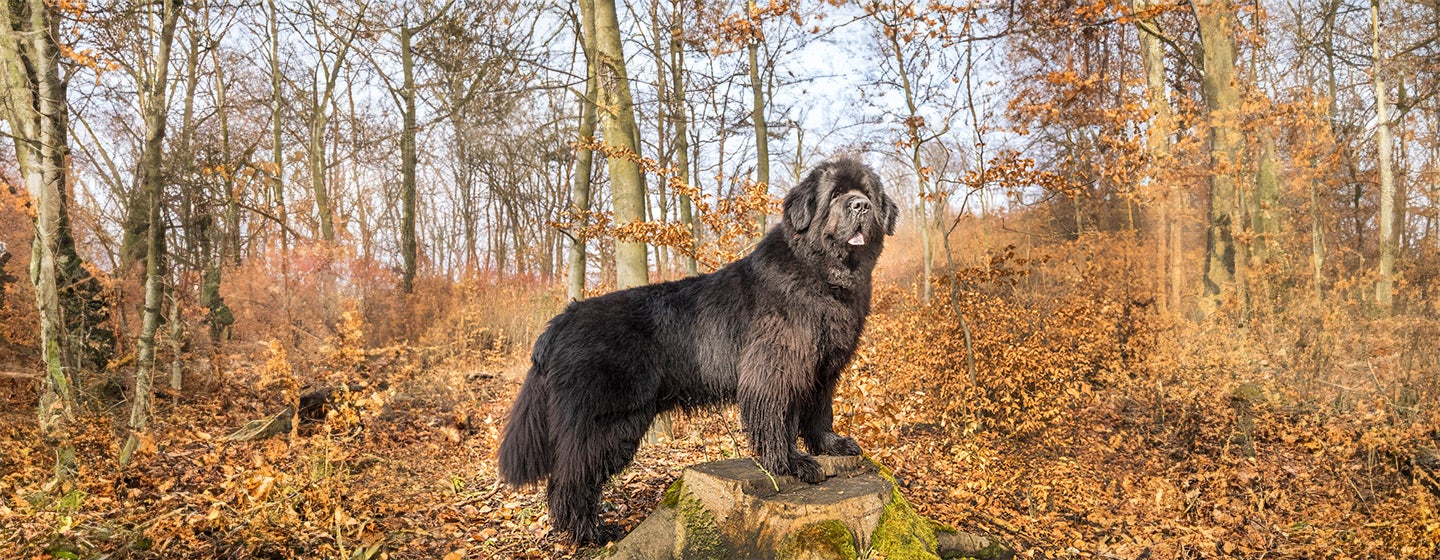
A large breed dog is a dog over 25kg at maturity and a giant breed is over 34kg. Large and giant breed dogs have unique needs and can benefit from a dog food formula designed just for them. Big dogs have big appetites, but they also have slower metabolisms than their smaller cousins, so they require fewer calories and less fat from their food to maintain a healthy, lean body condition. Maintaining a lean body condition in large breed dogs has been proven in research to be the number one factor in decreasing health related issues that larger dogs are susceptible to. At the same time,bigger breedsneed to develop and support a large, strong skeletal system and powerful joints, which means an additional requirement for minerals like calcium and phosphorus. Glucosamine is also really important in a large breed formula as it is the building block for cartilage which helps protect your dog’s bones and joints from wear and tear. It’s particularly important not to over-feed large and giant breed dogs, not just because of the usual health problems that result for all dogs, but also because if their weight outstrips the ability of their frame to support it, there’s a real risk of deformities, especially during their youth. Specially prepared large-breed formulas have larger, more satisfying kibbles to encourage big dogs to chew for longer, slowing the rate of eating and helping them get the most out of their food – as well as reducing the temptation to over-feed. The reduced fat content takes into account their slower metabolism and helps control weight gain and minimise the impact on joints and other vital organs. However the nutrients and vitamins associated with the synthesis and repair of the joints are in good supply ensuring a balanced diet despite reduced calorie intake. Obesity is a common nutritional disorder in all large dogs and needs to be monitored carefully. Overweight dogs are more likely to develop diabetes, heart and respiratory problems and arthritis.

Pagination

  • First page
  • Previous page
  • …
  • Page 9
  • Page 10
  • Page 11
  • Page 12
  • Page 13
  • Page 14
  • Page 15
  • Page 16
  • Page 17
  • …
  • Next page
  • Last page
Purina Pet Club logo

Join Purina Pet Club for expert tips, helpful advice, exclusive offers and rewards.

Join the Club
Nourishing pets Purina pets grid card
Purina Pet Club logo

Join Purina Pet Club for expert tips, helpful advice, exclusive offers and rewards.

Join the Club
Nourishing pets Purina pets grid card
  • Cat
    • Care & Advice
    • Find a Pet
    • Food
    • Our Brands
  • Dog
    • Care & Advice
    • Find a Pet
    • Food
    • Our Brands
  • About Us
    • Our Mission
    • Our History
    • Our Purina Promise
    • Purina In The Community
  • Other
    • Join Purina Pet Club
    • Breed Selector
    • Contact Us
  • Cat
    • Care & Advice
    • Find a Pet
    • Food
    • Our Brands
  • Dog
    • Care & Advice
    • Find a Pet
    • Food
    • Our Brands
  • About Us
    • Our Mission
    • Our History
    • Our Purina Promise
    • Purina In The Community
  • Other
    • Join Purina Pet Club
    • Breed Selector
    • Contact Us
  • Cat
    • Care & Advice
    • Find a Pet
    • Food
    • Our Brands
  • Dog
    • Care & Advice
    • Find a Pet
    • Food
    • Our Brands
  • About Us
    • Our Mission
    • Our History
    • Our Purina Promise
    • Purina In The Community
  • Other
    • Join Purina Pet Club
    • Breed Selector
    • Contact Us
  • Cat
    • Care & Advice
    • Find a Pet
    • Food
    • Our Brands
  • Dog
    • Care & Advice
    • Find a Pet
    • Food
    • Our Brands
  • About Us
    • Our Mission
    • Our History
    • Our Purina Promise
    • Purina In The Community
  • Other
    • Join Purina Pet Club
    • Breed Selector
    • Contact Us
© 2026 Purina. All Rights Reserved.

©Reg. Trademark of Nestlé S.A.

Terms & Conditions
Privacy Policy
Cookies
© 2026 Purina. All Rights Reserved.

©Reg. Trademark of Nestlé S.A.

Terms & Conditions
Privacy Policy
Cookies
© 2026 Purina. All Rights Reserved.