Sorry, you need to enable JavaScript to visit this website.
Skip to main content
How long can you leave a cat alone?
5 mins read
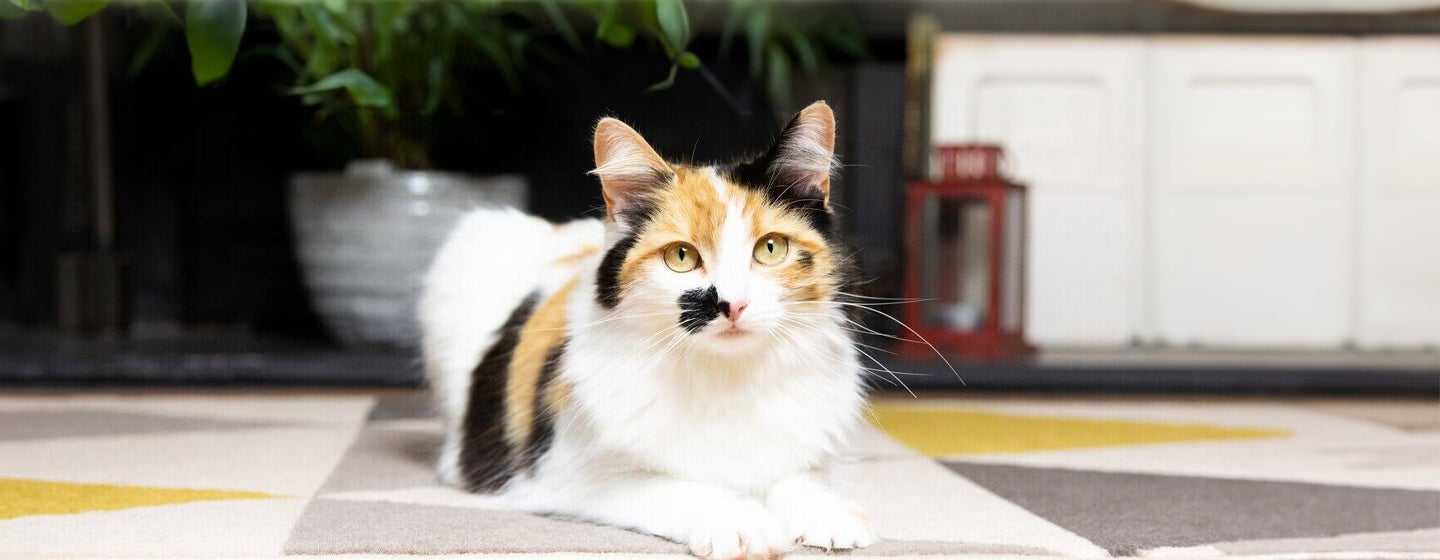
Although cats are known for their independence, if they are left alone for long periods of time, they can become unhappy. With our busy lives and lots of coming and going from home, it’s no surprise that concerned owners frequently ask themselves ‘how long can you leave a cat alone?’ Most felines will be perfectly content being left alone for the working day while you’re at work. However, longer or more frequent periods of time away, such as full days or nights away from home can be more disruptive. Your cat should not be left alone for long periods of time. It’s important to note that kittens and adult cats are different. Kittens need more regular care and contact, especially in the beginning and when they’re adjusting to their new home. Adult cats are much more self-sufficient during the day. Leaving your cat alone for one day If you’re planning to leave your cat at home for a short period of time such as while you go out to work, there are number of ways that you can make your absence less troubling for your pet. Firstly, make sure they have everything they need for the day such as bowls of fresh water around the house, some food to eat, a comfortable bed and a clean litter tray. Ensure the house is warm and they have plenty of space to move around – try not to shut them up in a single room. While you may not be around personally to entertain your cat, this doesn’t mean that your cat has to go without something to do for the whole day. You can keep your cat active by providing toys like a cat tree, a brain game or open cardboard boxes which can provide your cat with a daily dose of fun. To make them feel less alone, simply leaving the TV on for background noise or using a pheromone plug-in can help your cat to stay calm. If you believe being alone makes your cat anxious, it’s worth testing this to see if they are calmer when you return. How long can cats be left alone when I’m on holiday? It’s important that you don’t leave your cat on their own while you go on holiday for a number of reasons. Access to fresh water, food and companionship are just a few reasons why they shouldn’t be left alone for days on end.
How Do Cats Show Affection?
5 mins read
It's a common misconception that cats are not affectionate, mainly because dogs have more explicit ways of demonstrating affection, whereas cats are much more subtle. From head-butting to meowing, find out how your cat shows love! It’s often said that dogs are more affectionate than cats, but that isn’t necessarily the case. It’s true that dogs have more explicit ways of showing their affection—with bounding body language and a big, slobbery tongue for kisses. This can, unfairly, seem as though they might naturally love their owners more than their feline friends. However, while a cat won’t wag their tail (unless they’re angry), that doesn’t mean they don’t feel love! Cats have more subtle ways of making their affection known, and just because they’re naturally more understated, doesn’t mean the bond is any less strong. Find out more about how do cats show affection with this roundup of our all time favourite feline gestures. It will have you purring with delight! How do cats show affection? You might notice that your cat is more inclined to wander around when you’re at home; they might relax in a different part of the house, or simply meander from room to room. Some owners take this as a sign of disinterest and think that their cat doesn’t care whether they’re in the house together, or if they’re left alone. But nothing could be further from the truth! Cats are more likely to explore and interact with their environment when they feel relaxed and comfortable in a person’s presence. So if your pet is often on the move while you’re with them, take it as a subtle sign of how a cat shows affection! The message here is that they are more comfortable in your presence. Body language Body language and more specifically, tail language, is very important when considering how do cats show love. You can tell a lot from the way in which a cat is holding their tail. Often, when showing affection cats use their body and tail as a form of expression. Sometimes by winding their way through your legs, or even just by sitting close enough so that their tail touches you when they swing it. A very happy cat tail position is upright, with a slight curve at the top, which means that they are glad to see you! Similarly, if a cat feels comfortable enough to offer up their belly for a rub, this is the ultimate sign of trust and affection.
Behaviour & Training
Hernias in Dogs: What You Need to Know
4 mins read
Hernias can be quite common in dogs, especially in puppies. Our guide tells you the most common types of hernias and the likely treatments used to fix them. Hernias in dogs are relatively common, especially with puppies. Much like in people, a hernia is a condition where the contents of a dog’s abdomen pushes through a tear or hole in the muscle wall or fatty tissue. Over 90% of hernia cases are due to genetics, as puppies are most commonly born with them. However, hernias can also develop as a result of trauma, such as being hit by a car. The severity of hernia in dogs varies depending on where your dog has developed a hernia. This also determines if they are complicated or uncomplicated. Keep reading to find out what the most common types are, the possible symptoms and the methods of treating them.
Health
Hay Fever in Dogs
Hay Fever in Dogs
5 mins read
Dogs can get hay fever just like humans can! Find out what the symptoms and causes are of hay fever in dogs and the current treatment options available to help your dog get back to normal. Most people have been there at some point during their life: the sun comes out, and so do the tissues! Hay fever in humans is characterised by a runny nose, irritated eyes, sneezing, coughing, and itchiness. It’s a common complaint come the spring and summer months and can spoil a pleasurable walk. If you’ve noticed any of those signs or symptoms in your canine companion, then it’s possible that they, too, are susceptible to canine hay fever. And for animals that love to sniff and explore outside, it can be quite debilitating! Learn more about how to tell if your pet is suffering from hay fever and what dog hay fever treatments are available to help. Can dogs get hay fever? Unfortunately for our pets, dogs can get hay fever just like people can! Some research has indicated that dogs that are not exposed to a variety of grasses, trees and plants in their early life are more likely to develop signs of dog hay fever later on. Sensitivity to these kinds of pollens is generally more likely to occur in pets that haven’t built up immunity to them, which happens through exposure during early life. If you believe that your pet is suffering from canine hay fever, then it’s important to visit your vet so that they can rule out any serious conditions, assess the severity and type of allergy your dog is experiencing, and recommend the best course of treatment.
Health
Halitosis and Bad Breath in Dogs
3 mins read
Along with a wagging tail and muddy paws, many of us may assume that bad breath in dogs is just another everyday dog trait. However, bad breath in dogs can actually be an early sign of some dental health issues. Just like us, dogs can have dental problems. However, as they can’t go for a check-up with the dentist, it’s our responsibility as owners to make sure that they’re healthy. Health issues associated with bad breath in dogs As dogs can’t tell you themselves, it can be tough to tell if they’re having problems with their dental health. That’s why it’s important to know what signs to look out for. Bad breath in dogs is one of the first signs that something could be wrong. Bad breath in dogs does not always mean that there is a health problem, but it’s important to rule it out. If you notice your dog has bad breath, it’s worth giving them a dental check-up and looking for the other symptoms below. Dogs may have temporary bad breath from something they ate, but it shouldn’t be a long-lasting problem. There are two common dental health issues associated with bad breath in dogs: gingivitis and periodontal disease. Gingivitis in dogs A dental health issue that affects dogs and humans alike, gingivitis is an inflammation of the gums as they react to plaque that builds up on the teeth. Gingivitis can often be a cause of bad breath in dogs. Other symptoms of gingivitis in dogs include redness, swelling and even bleeding of the gums. Gingivitis in dogs is quite common – more than 80% of pets over three years of age will experience the problem. It can affect toy breeds (such as Chihuahuas) earlier on. Read more about the symptoms and treatment of canine gingivitis here.
Health
Grooming Short and Long Haired Dogs
4 mins read
Whether you’re the owner of a prize-winning breed with a high-maintenance coat or a regular bundle of fluff, dog grooming is an essential activity. Beyond them looking their best and most beautiful selves, there’s a whole range of other benefits to grooming your dog. Read on for more information and advice on how to groom a dog. The benefits of dog grooming Grooming your dog will help to keep their coat in the best possible condition. Dog grooming can remove dead hairs, help to distribute natural oils, and keep skin healthy. Brushing your dog’s hair has even been proven to reduce stress in your pet. Once used to the process, they’ll find it really relaxing! That doesn’t just go for your dog, it has also been scientifically shown that dog grooming can reduce stress and lower blood pressure in owners as well. Feeling anxious? Pick up a brush!
Health
First Puppy Bath - The Survival Guide.
First Puppy Bath - The Survival Guide
5 mins read
Are you getting ready to bathe your puppy for the first time? Here is everything you need to know. What you will need for your puppy’s first bath Let’s start easy with a shopping list. Here are the must-haves of puppy bathing time. • Table • Towel • Suitable puppy brush • Hair dryer • Dog bath or other suitable container • Puppy shampoo • A treat Steps for bathing a puppy When your puppy arrives home for the first time, it is beneficial to give them a bath in order to let them start their new experience fresh and clean. Here is a step-by-step guide for bathing your puppy without any unnecessary complications: 1. Place the puppy on a table The table has to be specifically designated for the job. In placing the puppy in this elevated, unfamiliar spot, you will help them understand that you are not playing. This will help you handle bathtime safely and comfortably. Put a towel on the table to ensure your puppy doesn’t slip off. It will also absorb excess water.
Health
Essential Information for Breeding Cats
4 mins read
If you are considering breeding cats, there are several factors you need to consider before making a decision. It is not a job you should undertake lightly and we recommend reading up as much as you can on the cat breed you want to breed and what the process may entail. In this article, we will provide you with a rough guide of what to expect if you do choose to breed. Consider seeking professional or expert advice though, and definitely try and speak to a certified breeder that you trust before making your decision. Breeding cats and the law When considering whether you would like to breed cats, the first thing you should keep in mind is the law. It is very important to check the laws on cat breeding and ensure that you can be in line with them. The laws on cat breeding are not as strict as the laws on dog breeding. Breeding cats are protected by the code of welfare for companion cats of the Animal Welfare Act 1999. The codes of welfare also have recommended best practices for cat breeders to ensure the health and welfare of cat at all times.
Health
Essential Dog Accessories for Your Adolescent Puppy
6 mins read
When your little puppy grows up their requirements change, which means that you need to think about what kind of dog equipment they need as they become a teenager! Read our guide for our top tips and advice to make the teenage years a breeze. Now your puppy is growing up and has approached what we call dog adolescence, most of the things you bought when they were a young puppy have been outgrown, and it’s time to go shopping again! Just like when they were smaller, you may start wondering: what dog accessories do I need? Read on for our guide to knowing what kind of puppy equipment to choose for your pup as they become an adolescent. Choosing the right collar and lead as your puppy gets older By now your teenage dog will have grown out of their puppy collar, as with lots of their other puppy equipment, and will probably be ready for their first adult collar. You need to make sure you get a collar that is going to be comfortable for your dog to wear - so find a soft material or padded leather one that doesn’t have hard edges. The wider the collar the better, as it will spread any pressure over a greater area – making it gentler around your dog’s neck. You will be doing more training with your dog when you are out and about, so finding a 6-inch training lead with clips on both ends and various D-rings to adjust the length will be a great investment. They are wonderful to add to your selection of dog equipment: great for walks, classes, and also useful if you need to secure your dog to anything. Find one that is strong but also comfortable for you to hold. Stay away from any collars that can tighten around the dog’s neck, such as choke chains, and extendable leads.
Puppy Care
Enriching You and Your Dog’s Life
7 mins read
Enrichment is a word that’s used quite often when talking about ways to engage with your dog but what does it really mean and why is it so important? Enrichment activities will channel your dog’s natural behaviours in a way that can be encouraged and celebrated. It’s vital for a dog’s welfare that they are encouraged to be, well, DOGS! It provides both mental and physical stimulation and one of the reasons it’s discussed as part of training and behaviour modification plans is because it’s a means of reducing boredom, which can often lead to behaviours that humans consider undesirable. Would you rather your dog gets their chewing fun through a massive Kong* filled with nutritious and delicious food, or by dismantling your sofa? Walkies, while vital for your dog’s wellbeing isn’t enough. A slow-feeder, while probably a good thing for your dog, isn’t enough. One training session, while fabulous, isn’t enough for their mental wellbeing. Enrichment is something that needs to be considered each and every day. It’s not an ‘added extra’ when you share your life with a dog; it underpins their mental and physical health needs. If you don’t provide things to enrich their lives, they’ll find their own entertainment or coping mechanisms and we can almost guarantee you won’t like what they come up with. Getting to know your dog, taking into account their breed or breed mix and learning about their favourite things to do will help you choose the best ways to keep them occupied and entertained. Some dogs would rather de-stuff a toy than chew a bone. Some dogs need a few different toys and other dogs have a favourite. Some dogs love relaxing with a food toy and other dogs will enjoy a scent games around the garden before snoozing. Most of the so-called ‘problem’ behaviours that are displayed by dogs and cause headaches for humans are actually perfectly normal dog behaviours that need an outlet, or they’re providing an outlet for a bored dog. My dog barks at everything. My dog keeps digging in the garden. My dog chews my favourite things. Dogs need to bark, dig and chew; it’s your job to provide a fun and interactive way for them to do what they need to do.
Behaviour & Training

Pagination

  • First page
  • Previous page
  • …
  • Page 30
  • Page 31
  • Page 32
  • Page 33
  • Page 34
  • Page 35
  • Page 36
  • Page 37
  • Page 38
  • …
  • Next page
  • Last page
Purina Pet Club logo

Join Purina Pet Club for expert tips, helpful advice, exclusive offers and rewards.

Join the Club
Nourishing pets Purina pets grid card
Purina Pet Club logo

Join Purina Pet Club for expert tips, helpful advice, exclusive offers and rewards.

Join the Club
Nourishing pets Purina pets grid card
  • Cat
    • Care & Advice
    • Find a Pet
    • Food
    • Our Brands
  • Dog
    • Care & Advice
    • Find a Pet
    • Food
    • Our Brands
  • About Us
    • Our Mission
    • Our History
    • Our Purina Promise
    • Purina In The Community
  • Other
    • Join Purina Pet Club
    • Breed Selector
    • Contact Us
  • Cat
    • Care & Advice
    • Find a Pet
    • Food
    • Our Brands
  • Dog
    • Care & Advice
    • Find a Pet
    • Food
    • Our Brands
  • About Us
    • Our Mission
    • Our History
    • Our Purina Promise
    • Purina In The Community
  • Other
    • Join Purina Pet Club
    • Breed Selector
    • Contact Us
  • Cat
    • Care & Advice
    • Find a Pet
    • Food
    • Our Brands
  • Dog
    • Care & Advice
    • Find a Pet
    • Food
    • Our Brands
  • About Us
    • Our Mission
    • Our History
    • Our Purina Promise
    • Purina In The Community
  • Other
    • Join Purina Pet Club
    • Breed Selector
    • Contact Us
  • Cat
    • Care & Advice
    • Find a Pet
    • Food
    • Our Brands
  • Dog
    • Care & Advice
    • Find a Pet
    • Food
    • Our Brands
  • About Us
    • Our Mission
    • Our History
    • Our Purina Promise
    • Purina In The Community
  • Other
    • Join Purina Pet Club
    • Breed Selector
    • Contact Us
© 2026 Purina. All Rights Reserved.

©Reg. Trademark of Nestlé S.A.

Terms & Conditions
Privacy Policy
Cookies
© 2026 Purina. All Rights Reserved.

©Reg. Trademark of Nestlé S.A.

Terms & Conditions
Privacy Policy
Cookies
© 2026 Purina. All Rights Reserved.