Sorry, you need to enable JavaScript to visit this website.
Skip to main content
Coprophagia in Dogs
Coprophagia in Dogs
3 mins read
No one likes to admit that their dog eats faeces, but many do and as a dog owner you may want to understand why they do it, and what you can do about it.
Coping with Limb Amputation in Dogs
5 mins read
Many of us have probably seen a three-legged dog before – and chances are, they were happy. Whether it’s the result of accident or disease, limb amputation in dogs is common, and dogs are great at coping with it. Although it involves major surgery, amputation can actually help dogs, rather than hinder them, by removing their source of pain and suffering. Limb amputation in dogs is designed to make their life better, after all, and will only take place if your vet thinks the procedure can achieve this. Most dogs will happily adjust to life on three legs with your help and your vet’s advice. In fact, they’ll often be so busy running around, chasing balls and playing ‘fetch’ that they hardly notice anything’s wrong. How will my dog cope with amputation surgery? Limb amputation in dogs, although difficult to think about at first, could do your severely injured pet a lot of good. In fact, dog amputation surgery may often be the best option for canines with severe injuries from car accidents, other accidents, or for those suffering from bone cancer or other serious diseases. Of course, it may not be easy for your dog to learn how to move around as they once did. The absence of a limb makes normal movement a bit of a task, and your dog will have to learn how to make up for it before they become their usual, bouncy selves again. However, with time, most can compensate for the changes in weight distribution and learn to walk and even run again. With time and understanding, they could soon be running around in the garden or in the park – just as they used to.
Coping with Blindness in Cats
4 mins read
Of course not all cats go blind, and if they do they can still lead a wonderful, fun-filled life. However, if you realise your cat is going blind, there are a few changes you should make to help them out. Your cat has a wonderful life with all the love and attention you give them, whether they spend their time prowling the great outdoors or prefer to snuggle up on your lap in the house. Despite your care, however, there are some things you can’t control as an owner, including the possibility of blindness in your cat. What are the causes of cat blindness? Your cat may start to lose their sight for a variety of reasons, including old age. Inherited causes of cat blindness are less common than they are in dogs, but they tend to occur more in purebred cats. For example, if you are lucky enough to have a lovely, silky Abyssinian cat, you are more likely to see blindness caused by progressive retinal atrophy (although a genetic test is available for this). Medical causes for adult or senior cats losing their sight are more common than genetic ones. These include trauma, neurological problems, and high blood pressure. Cats compensate for impaired vision by relying more on their remaining senses, especially smell. How can I tell if my cat is blind? If your older cat loses their sight, chances are it happens so gradually you won’t notice anything until the loss is total. This isn’t your fault – cats can compensate for their impaired vision by relying on their other senses. This is particularly true of their sense of smell, which is why they might happily wander up to you when you serve their meals, even if they can’t see properly.
Health
Coping with Amputation in Cats
5 mins read
No pet owner wants a time to come when they have to think about cat amputation, but if your cat’s had an accident or is unwell and surgery can stop their pain, it can be the kindest thing to do. Amputation sounds drastic but it’s a much more common procedure than it once was and, although it involves major surgery, disabled cats can cope very well without a tail or on three legs, once they’ve had time to readapt. So there’s no reason why your handicapped cat shouldn’t live a life that’s filled with as much love and happiness as any of their other feline friends. Cat tail amputation When might my cat need their tail amputated? As cats' tails are long and energetic, they’re prone to accidents, and injuries. Your vet may be able to treat some of the less serious problems but in some cases they may decide that a severely damaged tail needs to be amputated. How will tail amputation affect my cat? Cat tail amputation is a relatively straightforward operation, and although your furry friend may take some time getting used to living without a tail, you can feel reassured that the operation is unlikely to have a long-term impact on their behaviour. Limb amputation in cats When might my cat need a limb amputated? Your vet will recommend limb amputation if, for example, your cat’s leg has been very badly injured in an accident or if they’ve discovered a cancerous tumour on a limb, and removing it completely can stop the illness from spreading. How will limb amputation affect my cat? Losing a leg might sound like a drastic measure but many cats continue to live a very happy life on three limbs without any problems. After the operation, your cat will need to recover from the surgery and then learn how to walk and run again, as their weight distribution will have changed. Your vet will be able to give you lots of help and advice on how you can both cope during these first few weeks.
Health
Christmas Safety for Dogs
6 mins read
Christmastime is an occasion for fun and merriment for all the family – including your dog! But unfortunately, there are lots of potential dangers and stressors during your dog at this time. If you want to make sure your dog’s happy and safe this Christmas, read our guide. The Christmas period is a time of great fun for all the family and that (usually) includes your dog too! There are many dogs who love to celebrate the holidays with us and spend all the time getting up to mischief – like sneaking your Christmas treats or collapsing the tree – and while this may all seem like good fun, the festive season can also bring a wealth of potential hazards that you’ll need to be on the lookout for. With Christmas on the way, you may be wondering how to ensure your dog’s Christmas is just as merry as your own, which is why we’ve created this guide on keeping your dog safe and happy this holiday. Dogs and Christmas trees As you know, one of the biggest Christmas traditions involves bringing a tree into your home, and to your dog, this is a dream come true. Your four-legged friend will look at this tree and their eyes will light up at the thought of unlimited sticks to chomp and if you have a male dog, they may see it is as an excellent new spot to have a wee. Some pet owners will be lucky enough to own a pup that’s unphased by this new addition, but if you have a dog that just can’t resist, you’ll need a dog-proof Christmas tree. Here’s what to look for. Fairy lights One of the dangerous elements to dogs and Christmas trees are the twinkling lights wrapped around them. They may look harmless, but some dogs think of the wires as shiny new chew toys – which is most common with younger dogs or puppies. Also, if you have a particularly boisterous pup that likes to play, they may get tangled up in the wires. An easy way to prevent your dog getting hurt by your Christmas tree lights is to cable tie any lose wires and then always disconnect from the mains when you go out. Alternatively, if you want to leave your lights on all the time, opt for battery operated ones instead and make sure that you place the battery pack in a place your dog can’t reach. Baubles and hanging decorations Another way to dog-proof Christmas trees is to make sure you’re only buying safe decorations. Avoid tinsel and angel hair on your tree as when consumed, they can cause a blockage in your dog’s stomach. Glass baubles are also a bad idea if you have a boisterous dog, as they may shatter which could potentially harm your pet. Instead opt for non-toxic plastic decorations. If you have more expensive ornaments which are essential decorations for your tree, place them near the top of the tree where your dog and their wagging tail can’t reach them. Also, don’t put edible decorations such as chocolates or candy canes on the tree as they’re highly toxic to dogs and many won’t be able to resist. Tipping the Christmas tree over
Behaviour & Training
Christmas Safety for Cats
4 mins read
If you’re a cat owner, Christmastime can be a stressful and dangerous time. Luckily, there’s lots of things you can do to make sure your cat’s happy and safe this festive season, keep reading to find out more. Christmas is such an exciting time of year, but unfortunately all the twinkling lights and merriment can be hazardous for your cat. From climbing the Christmas tree to the stress of visiting family members and hazardous treats that may turn out to be harmful, cats and Christmas can sometimes be a real recipe for disaster. But it doesn’t need to be! When managed with a bit of extra care, the holidays can be a time of fun and happiness for both you and your four-legged friend. Cats and Christmas trees As a cat owner, you’ll know that your kitty is a huge fan of climbing everything in sight. So, it should come as no surprise that often, cats see Christmas trees as just another challenge to get to the top of. But this may well result in your ambitious cat pulling the tree to the ground. You’ll need to ensure that you have a heavy base – you can either buy one of these or attach weights to the bottom. Alternatively, you can tether your tree to the wall or ceiling to make sure it’s not budging, no matter how much your cat tries to replace your angel or star at the top. Hazardous Christmas decorations Another element to cats and Christmas trees is that dangling, sparkly decorations often prove a temptation too great to resist. This can be particularly dangerous if you have glass baubles as if they swat these off your tree they may shatter and hurt your cat. Additionally, tinsel and angel hair can cause blockages if ingested. To make sure you have a cat-friendly Christmas tree in your home, stay away from glass baubles and any that are made with toxic materials, ditch the tinsel and angel hair and securely attach all decorations to the tree, ensuring none are too close to the bottom, with reach of a swatting cat paw. Be wary of mains powered Christmas tree lights Cats and Christmas tree lights can also be a bad combination as the wires resemble fun toys for your kitty. Any wires will need to be covered to stop them being chewed and when you’re not home, switch the lights off at the mains. If you’re a fan of leaving your lights on all the time, battery-powered options are much safer.
Behaviour & Training
Cats with Special Diets
5 mins read
Just like their personalities, each cat’s dietary needs are slightly different – and sometimes, this means they need an altogether different kind of food. Luckily, there are lots of options to choose from. Over the past twenty years some great high quality, specialised pet food formulas have been created for animals with particular needs. For example, Purina has its own range of prescription diets that your vet might recommend if your cat has a condition that would benefit from dietary management. Whatever you go for, some of these pet foods support treatment over a limited period of time (until the condition is resolved), whereas other special food for cats are designed to help your pet for life (for example, if they have a chronic condition). From cat weight loss formulas to diets for cats with sensitive digestion and more, there’s plenty out there to meet their special requirements.
Health
Understanding Cats and Catnip
4 mins read
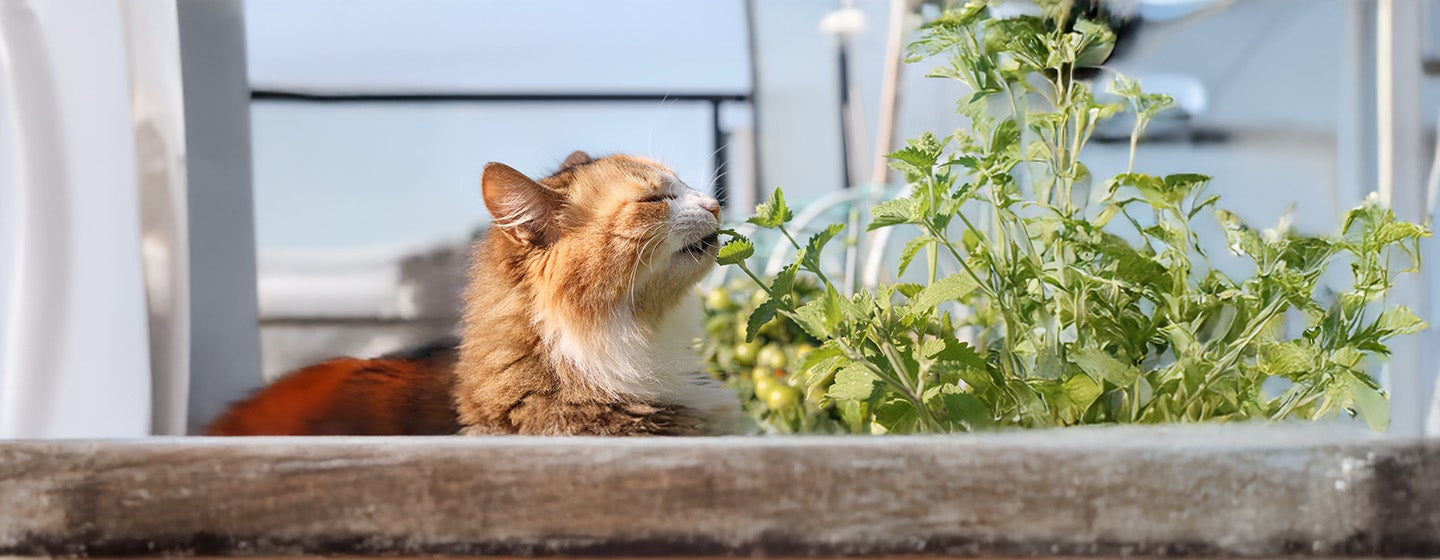
Sprinkle some catnip near to your kitten and you’ll notice a sudden change in behaviour. Find out more about this plant and why it’s got such an effect on your fluffy feline. Catnip seems to be adored across the feline kingdom with both big and small cats falling head over heels for this plant’s allure. But what does catnip do to cats? Does it have any effect on us humans? And is it safe or not? We’re unravelling all the catnip mysteries below. What is catnip? Catnip (or as it’s officially known Nepeta cataria) is a herb from the mint family. Originally common in a few areas of Asia and Europe, it has managed to spread to most corners of the world. You might have noticed it growing next to country roads or even as a drought-resistant addition in people’s gardens. What does catnip do to cats? Let your cat near this plant and you’re in for a reaction of pure joy. As your cat will start to lick and rub against it, you will notice their reaction turning into something that looks wild and strange. In a bout of hyperactivity they might start stretching, drooling or jumping. Other cats will go for a wild run up and down the room. More docile or sedated reactions have also been noticed – the response depends on the individual cat. The effects of catnip are temporary and usually wear off within half an hour, as your cat becomes briefly immune to the effects. It’s also common for cats to sit quite still after a euphoric reaction, until the effects wear off.
Cat Seizures – Symptoms and Treatment
5 mins read
Cat seizures have many causes, and can often occur quite suddenly. Find out what you can do to make the experience less stressful for you and your pet. Cat seizures can be a symptom of many different diseases, but are one of the more unusual cat illness symptoms as they are not very common. It can be alarming the first time your cat has a seizure, but by following the advice in this article you can have the confidence to remain calm and seek veterinary advice when necessary. What are cat seizures? Cat seizures are a sign of abnormal brain functioning, and not actually a disease diagnosis in itself. During a seizure, there is sudden, abnormal electrical impulses that disrupt the normal processes within the brain. This can result in nerve stimulation elsewhere within the body, and the unusual behaviours that are often associated with seizures such as collapse, twitching, chomping the teeth and tremors. There are different categories of seizure, and often an episode will be considered generalised or partial. A generalised seizure involves both halves of the brain, whereas a partial seizure will involve a specific brain region. Cat seizure symptoms The signs of a cat seizure will vary depending on the cause and type of episode. General seizures typically have a sudden onset and last up to three minutes. They can be alarming to watch as you might see symptoms such as shaking, losing consciousness, twitching or urinating.
Cat Proofing Your Garden
6 mins read
Your new cat is precious, so you will want to make their new environment as safe as possible. So where do you start when creating a cat proof garden? Cats, and especially kittens, are naturally inquisitive, and investigate objects by touching, sniffing and tasting them. When you bring a new cat into your home they’ll be curious about everything and unlike us, won’t be able tell the different between what is and isn’t dangerous. If you’re not sure how to cat proof your garden, follow our checklist to keep your pet out of trouble! Dangerous plants to remove for a cat proof garden Although we think of cats as meat-eaters, don’t be surprised if you spot your cat chewing vegetables or other plants. Some cats like to munch on grass outdoors, or nibble at the leaves of potted houseplants indoors. Keep an eye on exactly what your cat is grazing on, as some plants have parts that are toxic to them. Make sure your project to cat proof your garden includes getting rid of these toxic plants for cats: • Lilies; • Azalea; • Daffodil; • Tomato; • Foxglove; • Yew; • Hydrangea; • Dieffenbachia (Dumb Cane); • Philodendron; • Mistletoe; • Poinsettia. Your vet can give you a complete list of plants that could be harmful to your cat, or click here for a list of dangerous plants for cats. Do you need to cat proof the garden for an indoor cat? Yes. Your cat or kitten has a natural instinct to play outdoors, establish territory, climb trees, and catnap in the sun. As fun as this sounds, there are some things that you’ll need to look out for in the great outdoors. When outside, cats are exposed to more diseases and parasites, risk getting lost or stolen, and could potentially get hurt by a car. To allow your cat outdoors and also keep them safe, you can create a cat proof garden. Some cats are quite happy staying indoors – although that does rely on you knowing how to make a cat friendly home and make their environment exciting to compensate for the lack of outdoor stimulation. Other cats will prefer to roam outdoors – deciding between which option is best for your cat will take careful consideration on your part. If you decide to allow your cat outdoors, ask your breeder or vet for advice and make sure you've made their outdoor space as safe as possible.
Kitten Care

Pagination

  • First page
  • Previous page
  • …
  • Page 32
  • Page 33
  • Page 34
  • Page 35
  • Page 36
  • Page 37
  • Page 38
  • Page 39
  • Page 40
  • …
  • Next page
  • Last page
Purina Pet Club logo

Join Purina Pet Club for expert tips, helpful advice, exclusive offers and rewards.

Join the Club
Nourishing pets Purina pets grid card
Purina Pet Club logo

Join Purina Pet Club for expert tips, helpful advice, exclusive offers and rewards.

Join the Club
Nourishing pets Purina pets grid card
  • Cat
    • Care & Advice
    • Find a Pet
    • Food
    • Our Brands
  • Dog
    • Care & Advice
    • Find a Pet
    • Food
    • Our Brands
  • About Us
    • Our Mission
    • Our History
    • Our Purina Promise
    • Purina In The Community
  • Other
    • Join Purina Pet Club
    • Breed Selector
    • Contact Us
  • Cat
    • Care & Advice
    • Find a Pet
    • Food
    • Our Brands
  • Dog
    • Care & Advice
    • Find a Pet
    • Food
    • Our Brands
  • About Us
    • Our Mission
    • Our History
    • Our Purina Promise
    • Purina In The Community
  • Other
    • Join Purina Pet Club
    • Breed Selector
    • Contact Us
  • Cat
    • Care & Advice
    • Find a Pet
    • Food
    • Our Brands
  • Dog
    • Care & Advice
    • Find a Pet
    • Food
    • Our Brands
  • About Us
    • Our Mission
    • Our History
    • Our Purina Promise
    • Purina In The Community
  • Other
    • Join Purina Pet Club
    • Breed Selector
    • Contact Us
  • Cat
    • Care & Advice
    • Find a Pet
    • Food
    • Our Brands
  • Dog
    • Care & Advice
    • Find a Pet
    • Food
    • Our Brands
  • About Us
    • Our Mission
    • Our History
    • Our Purina Promise
    • Purina In The Community
  • Other
    • Join Purina Pet Club
    • Breed Selector
    • Contact Us
© 2026 Purina. All Rights Reserved.

©Reg. Trademark of Nestlé S.A.

Terms & Conditions
Privacy Policy
Cookies
© 2026 Purina. All Rights Reserved.

©Reg. Trademark of Nestlé S.A.

Terms & Conditions
Privacy Policy
Cookies
© 2026 Purina. All Rights Reserved.