Sorry, you need to enable JavaScript to visit this website.
Skip to main content
Does My Pet Have Heat Stroke?
3 mins read
Heat stroke is a serious condition for pets as well as people. Learn how to prevent heat stroke and what to watch for in your own pet. Heat Stroke Summertime is for sun and fun, but it’s not without its dangers. While the warmth may feel great on your skin, it can also lead to heat stroke — a common and dangerous condition for dogs and cats as well as people. The normal temperature for a dog or cat is around 38.61 °C. Heat stroke is caused when your pet’s core temperature rises to 40.56°C or higher. Pets — especially cats — are notorious for hiding their discomfort. They don’t have the means, motivation, or ability to complain like people do. So it’s our responsibility to look out for them and watch for signs of their discomfort. Behavioural Signs of Heat Stroke Dogs and cats are especially vulnerable to heat stroke because their furry bodies cannot sweat to dissipate heat. Instead, they pant or breathe rapidly to cool themselves. When they are unable to effectively cool themselves, their core temperature rises rapidly. This can lead to serious and sometimes fatal complications including seizures, organ failure, and clotting problems. Any animal suspected of having heat stroke is experiencing a medical emergency and must receive immediate veterinary treatment. If not promptly treated, heat stroke can lead to loss of consciousness and death, so it’s important to keep an eye out for the symptoms: • Excessive panting and salivating • Obvious discomfort • Vomiting and diarrhoea • Disorientation • Seizures What to Do if Your Pet Has Heat Stroke The Veterinary Information Network recommends first aid for hyperthermia in pets. If your pet has become overheated, move your pet to a shaded and cool environment, and direct a fan towards him or her. If possible, determine the rectal temperature and record it so you can share this information with a vet. Begin to cool your pet’s body by placing cool, wet towels over the back of the neck, in the armpits, and in the groin region. Make sure to change the towels regularly for fresh cool wet towels as if left they can get warm quickly and cause your pet to overheat even more. You may also wet the earflaps and paws with cool water. Then transport your pet to the closest veterinary facility immediately. Even if you are able to remove your pet from the hot environment and initiate first aid, he or she will still need to be treated. Many of the complications from heat stroke do not begin to appear until several days after the incident — but prompt veterinary care can potentially prevent or treat some of these complications. Safety and Prevention Keeping your pet hydrated is key so make sure they always have access to plenty of clean, cool water. Pets can suffer heat stroke from exercising too much on hot, humid days, or if they’re stuck in the sun without shade for too long. Some dog breeds — like Pekingese, Pugs, Lhasa Apso’s and Boston terriers — are predisposed to heat stroke. Because their noses are short, these dogs have airways that are not as efficient at cooling when they pant. Overweight or obese dogs are also prone to heat stroke, as are dogs or cats with other airway problems. Cats are often subjected to heat stroke by sneaking unnoticed into parked cars or hot attics, then becoming trapped. It is important to account for all your animals after spending time in an area that could be a heatstroke trap. The most common cause of heat stroke is still the unthinkable — leaving a pet inside a parked car, with or without the window opened. Leaving a window opened is never sufficient protection, as the temperature can still climb quickly inside a car even on moderately warm days. Learn more about why you should never ever leave your pet in a car, along with other ways to keep your pet safe in the summer heat. Have fun this summer, but have it safely — and don’t forget the sunscreen for yourself!
Does My Cat Love Me?
2 mins read
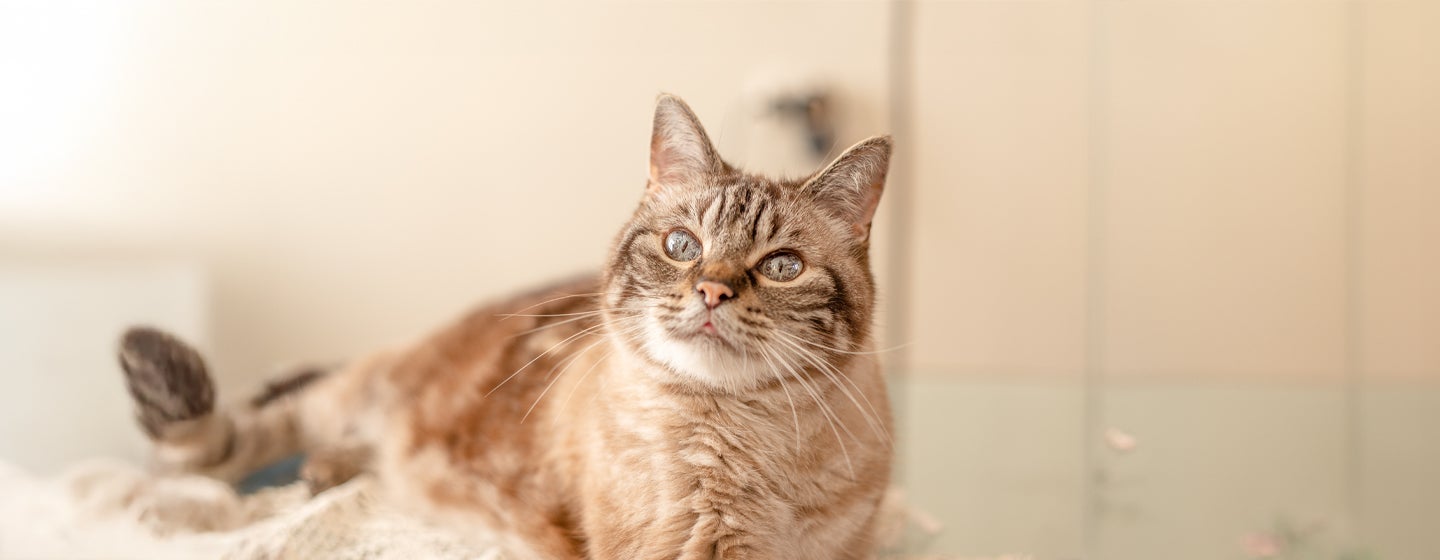
You love your cat with all your heart, but does your cat love you back? Get the facts on how cats show affection and easy ways to tell if they love you back! Unfortunately, it’s not easy to ‘prove’ love exists, whether it’s between you and your cat or between two people. With that said, there are plenty of ways that cats show affection and compelling evidence that they feel love toward their owners. Cat relationships vs People relationships Cats are often labelled as unattached and aloof, but really they’re just particular about how they show affection. So when they don’t come when you call, it doesn’t mean they don’t love you. It just means they’re happy where they are. In that way, they’re more like people than dogs. A good way to think about it is how a kid will wriggle out of his mother’s grasp as she tries to kiss and hug him – not because he doesn’t love his mum, but because he’s had enough mushy stuff for the time being. Signs your cat loves you Despite their ‘couldn’t care less’ reputation, many cats develop strong relationships with their owners. You can tell a cat has a strong relationship with someone when they become physically and emotionally engaged with them, like rubbing against their leg, kneading and being affectionate. Some other signs your cat loves you are following you around the house, purring when you pet them, bringing you their toys, and wanting to sleep in the same room as you (even if they want out halfway through the night). You can also tell if your cat loves you by how they act when you’re not around. In cases of extreme or abrupt separation, it’s not uncommon for cats to show signs of distress and anxiety – like refusing to eat or hiding. In extreme cases, cats have been known to travel hundreds of miles to reunite with their families. Like in 2003, when a cat in Florida in the USA named Holly walked nearly 200 miles to find her owner. How to show your cat you love them Always be ready to pet them on their terms. As we said, cats can be very particular when it comes to giving and receiving affection, so be patient and embrace them when they’re in the mood. Also, pay close attention to what your cat doesn’t like. Cats, just like people, have pet peeves. Whether it’s having their ears scratched, having their paws or tail held, keep an eye out for their annoyances and be sure not to trigger them. Conclusion Science may not be able to prove cats love people, but we do know that devoted owners have devoted pets. So never hesitate to invest your heart in your feline relationships. Remember, love increases the more you give it away!
What Can Dogs Feel?
3 mins read
Dogs bring out many emotions in us, but are they experiencing the same feelings? It was once thought that dogs, and all animals, were essentially organic robots that didn’t feel emotions; they simply followed their instincts like a machine follows its programming. But contemporary science has discovered that dogs go through similar chemical and hormonal changes as humans when experiencing emotions. The difference is dogs experience them on a more basic level. A common comparison is that a fully-grown dog has the same emotional capacity as a two and a half year old child. But as a human’s emotional range develops for several years, a canine reaches emotional maturity at around six months, depending on the breed. So, what emotions do they feel? Scroll through and see below! Joy It’s written all over their face. Dogs are filled with joy when doing their favourite activities, from chasing tennis balls at the park to cuddling on the couch. No matter where they are or what they’re doing, dogs find a way to enjoy themselves! Surprise Dogs tend to be excitable and easily surprised, which can make for some hilarious moments. They have a healthy appetite for new experiences and different ways to play. Disgust Just as your dog has the ability to feel intense joy, he has the capacity to genuine disgust and distress. If your dog gives a look of wholehearted contempt, don’t worry! It’s just means he has a healthy emotional range (and may appreciate a little warmer water). Fear Fear is a familiar emotion for canines, and an essential survival mechanism. It tends to be provoked by scary sounds and stressful situations, but the amount of fear a dog experiences depends on how it was raised and individual personality. Guilt is a common emotion associated with dogs, but there is some disagreement among dog experts about whether canines feel guilt or if it’s just fear of being punished. Sadness This is a very real emotion for dogs, partly because it’s a common emotion among people. Dogs can sense your sadness and will often try to cheer you up by giving you attention, or show empathy by feeling sad along with you. Anger For better or worse, anger is a natural emotion for dogs. Anger or aggression can be caused by protective instincts, territorial issues or even genetics. However anger comes about, it’s important to protect yourself and your dog. It’s natural for dogs to feel this way from time to time, but you should note situations that tend to make them testy so these can be avoided in the future. Curiosity Dogs seem to have an endless interest for the world around them. They use their sense of smell like a fun-detector, and when they sniff something funny or strange they want to know more! Love This one’s no surprise; dogs are very capable of experiencing love. And they’re very good at showing it, too! No matter how big or small, dogs seem to have super-human hearts! Honourable Mention: Confusion Many scholars insist that confusion is not an emotion, but a combination of fear and anger. And canine experts attest that dogs aren’t capable of experiencing such complex emotions. Conclusion: Although dogs don’t have the same range of emotions as we do, they are dynamic animals who have real feelings. They can even sense what people are feeling! Complex emotional states may be out of reach for our furry friends, but they’re experts at expressing the most important one, love.
Why Is Your Kitten Biting?
3 mins read
Has your kitten’s biting got out of hand? Here’s what to look out for, and how you can help your cat learn to play appropriately. Ouch! Some gentle “hand-wrestling” with your kitten suddenly turned from playful to painful! What happened? Why is your kitten biting so hard? The good news is, your kitten is still a kitten, and this is a very common issue. The bad news is, her bites kind of hurt! Well make sure you’re bandaged up and settled in, because we’re going to take a look at common causes of kittens biting. Just as important, we’ll cover some techniques for how to discourage and even prevent this behaviour. Instinctively Adorable At every turn, kittens are learning about their world, mostly by playing with whatever piques their interest. When you see them bat, chase, pounce, and even bite, you’re actually seeing early versions of their hunter instincts. It’s adorable and fascinating to watch, and even more fun to participate! Except for the biting. Playing with a kitten is clearly a win-win scenario, but it’s best to avoid using your hands or feet as toys. Otherwise, the kitten may accidentally learn that biting human skin is an acceptable behaviour. And two years down the road, as you can imagine, an adult cat could easily leave more of a mark. Instead of hands and feet, try using pet shop bought or homemade toys you can dangle in front of your kitten or drag along the floor. Moving objects like these are perfect for playtime, and they help kittens learn acceptable ways to use their teeth and claws. Moulding Young Minds If you’ve raised a kitten or are currently raising one, you know they can be mischievous, which includes the occasional ambush. But what if her adorable attack comes with a bite? In this case, a build-up of energy may be the reason why your kitten is biting. Try increasing playtime to keep her busy with desirable behaviours. This early one-on-one interaction is really the best opportunity to teach your growing kitten what is acceptable play and what is not. Another tip: If you’re planning on adopting a kitten, consider bringing home one or two more. Kittens naturally learn how to control their teeth and claws as they bite and scratch (and ambush) each other. And finally, if additional playtime and playmates simply aren’t possible, interactive items like puzzle toys and bouncy door hangers are good alternatives. The Warning Cat experts often talk about the risk of petting cats until they are “overstimulated,” or beyond the point of enjoyment. Coming from a kitten, it’s just another example of early, instinctive communication. So your kitten’s bite may simply be her way of saying, “Okay! Enough!” Before the bite, look for signs that she’s feeling irritated. It may be tail twitching, restlessness, dilated pupils, or ear flicking. If you see any of these, take it as a cue to slowly move your hand away and give your kitten room to regain her composure. Talk to the Doc No two cats are the same, which also applies to kittens. If you have questions or concerns about your kitten’s biting behaviours, talk to your veterinarian. He or she can help determine what might be causing the behaviour. In fact, your kitten may be biting because she isn’t feeling well, which is another great reason to ask your veterinarian. Look for any other signs of illness in your kitten, such as loss of appetite, unusually low energy, or sickly-looking eyes. A prominent nictitating membrane (the third eyelid) can be a sign of illness. Quick Recap So why is your kitten biting? She may need more appropriate toys to play with, more playtime, less petting, or a visit with your veterinarian. Whatever the cause, it’s most likely something that you can address by taking simple steps to make sure she’s happy, healthy, and learning acceptable play behaviours. Just remember: Your kitten is a great cat in the making, and you can make it happen.
Mealtime In A Multi-Cat Home
1 min read
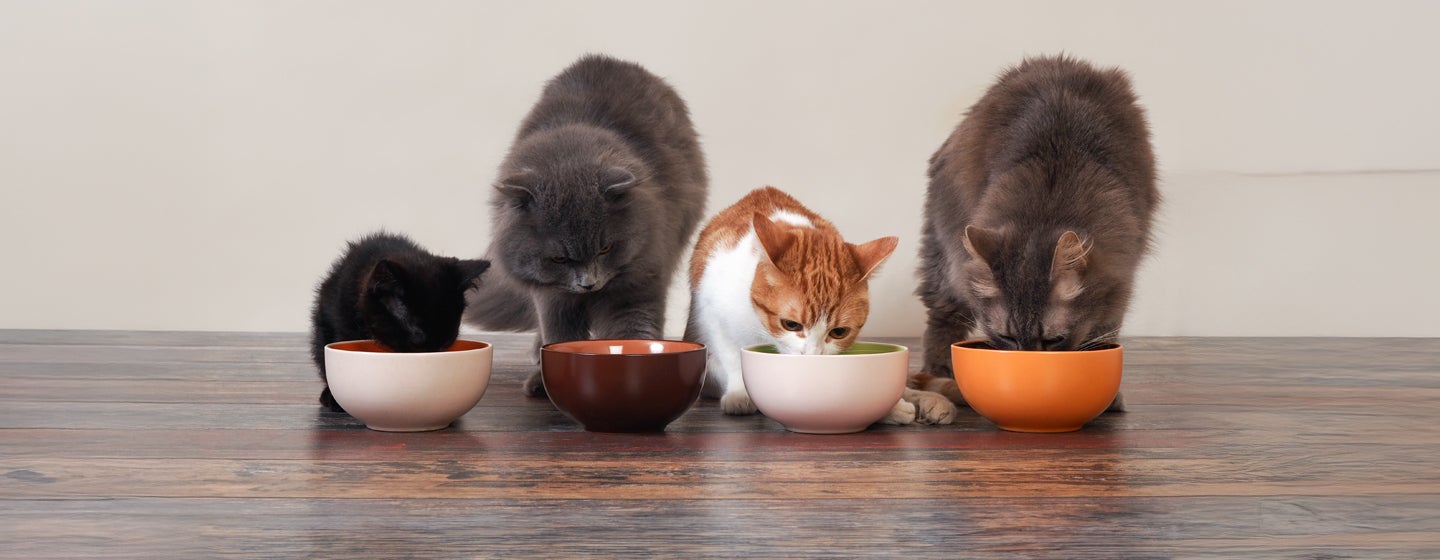
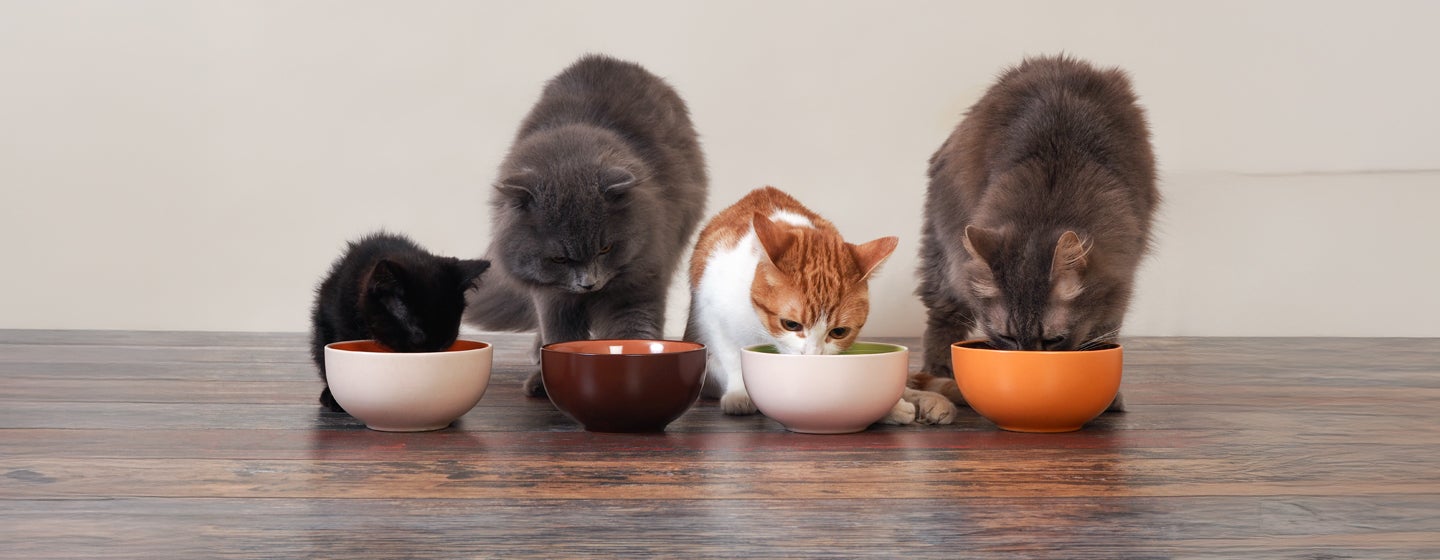
Different cats can have different nutritional needs, even if they live together. Here’s how to handle mealtime in a multiple cat home. If you have more than one cat, you may need more than one type of feeding routine. Just as the age, lifestyle, and health of each cat can vary, so too can their dietary needs, in terms of the types and amounts of food they should receive. Varying Diets in a Multiple Cat Home For example, if you have an older cat, she may benefit from a senior diet that has high protein levels to maintain lean body mass, while a kitten will need a very specific diet to help her grow and thrive in her first year of life. On the other hand, an overweight adult cat may benefit from a weight-management diet that still provides the nutrients she will need, while having fewer calories and/or more fibre than a standard formula. How to Feed Multiple Cats If your home has different cats with different dietary needs, you’ll need them to eat from different bowls — which will require some adjustment if they typically dine together from the same bowl. You may want to try feeding them at the same time but in different rooms. If you feed them at the same time in the same place, be prepared to prevent them from straying and eating from each other’s bowls. After a period of time, however, they should adjust to their new eating routine with less policing from you.
FIREWORKS SAFETY TIPS
2 mins read
While fireworks can add a lot of fun and excitement to a celebration, the bright flashes and loud noises can make it a scary time for our pets. Check out these top tips from the SPCA on how to keep your pet safe, calm and out of harm’s way when you or those around you are celebrating with fireworks. • Stay home with your pet – they will be less stressed with someone they trust close by. • Keep them indoors – they won’t see the flashes and the bangs will be muffled. Close doors and windows and draw the curtains. Turn up the volume on your radio or TV to help drown out loud bangs with familiar sounds. • Make sure that your cat or dog has somewhere safe and comforting to hide such as an igloo, box, crate or somewhere they feel safe to retreat to. • Put a collar and registration tag on your dog. Both cats and dogs should be microchipped and have a collar and identification tag with your contact details on it. If your pet panics and runs away, it will help rescuers reunite you. • Comfort your pet – This could mean cuddling them if it helps or giving them space, depending on what your pet needs. Try to behave in a calm and reassuring manner. Take special care of elderly or nervous pets and if you know that your pet gets very stressed when fireworks are being let off then consult your vet for advice on keeping them calm. • Move horses and farm animals away from fireworks – and make sure all fences are secure. Stable horses where possible. • Never punish your pets when they are scared – This will only make their fear and stress levels worse. • Play music to mask the noise. • Try a compression wrap. • Exercise your dog early in the day to avoid being out in the dusk and fireworks. • Consider the use of ADAPTIL for dogs and FELIWAY for cats that are nervous. • Don’t forget small pets like rabbits, guinea pigs or chickens. Have them tucked away or even inside for the night. • Keep in mind that for some animals this is a real phobia and should be treated with medication they should speak to their vet for options before the fireworks start. Share these tips with your family and friends and let’s do our bit to keep our pets safe, happy and out of harm’s way.
Feeding Your Small Dog
2 mins read
Feeding your small dog How to meet your small dog’s feeding needs, to keep him physically strong and visibly healthy. Your small dog is unique. He might share the same nutritional needs as other dogs –protein to help him grow and thrive, carbohydrates for energy, and vegetables for vitamins and fibre – but his size makes him very special. Small dog breeds, such as the Shi Tzu, Jack Russell terrier and Chihuahua, have very particular nutritional needs and your small dog’s ideal feeding plan will depend on his age, his breed, his lifestyle and how active he is. Small but mighty A super-fast metabolism means that small dog’s burn energy much faster than large dog breeds. They need more calories per kilogram of body weight, so it is very important that you choose a nutritionally complete feeding plan that is calorie-rich and specially designed to suit the needs of small dogs – particularly when your young small dog is still growing and developing. Essential ingredients Active small dogs need a feeding plan with quick-release energy sources – these include high quality animal or fish protein sources (such as beef, chicken, turkey or salmon) and easy-to-digest carbohydrates. The essential fatty acids, omega 3 and 6, are another important ingredient because they keep your small dog’s kidneys healthy, help to boost his immune system, promote good brain and eye development, and maintain his glossy coat. Mealtimes with bite Small stomachs and little mouths give small dog breeds a healthy appetite – especially at the puppy stage when your small dog will use up the energy from each meal in a matter of hours. Feeding little and often – up to three or four meals a day – is advisable. Your small dog will appreciate nutritionally complete dry recipes with smaller pieces of crunchy kibble and/or moist meals with small chunks of meat and vegetables – either of which will be easy for your small dog to chew and digest. Live long, live well Many small dogs mature quickly, age more slowly, and live longer than large dog breeds. Some small breeds may be considered an adult from around eight months old, and many small dog breeds may live to the age of 15 or more. This means that your small dog could spend a large proportion of his life as an active adult dog. Although small dogs are less prone to putting on excess weight, your vet can guide you to the ideal weight for your small dog. Choosing recipes with lean protein sources such as turkey, pork and chicken can help to keep your small dog fit and trim at every stage of his long and happy life.
Cats Need a Balanced Diet
4 mins read
To maintain an optimal body condition, your cat’s diet needs to achieve the right balance of the six major nutrient groups: proteins, fats and oils, minerals, vitamins, carbohydrates and water. A good quality manufactured cat food has all the nutrients required as well as a satisfying taste. Unless your pet is pregnant or nursing, there is no reason to change their diet until they approach their senior years. Unlike dogs, cats are carnivores. They need meat in their diet and can become quite ill without it. Your cat needs higher levels of protein because they are unable to manufacture taurine, an essential amino acid that is associated with a healthy heart and good vision. Good protein levels will help your cat maintain flexibility and muscle mobility. PROTEIN Protein is a vital nutritional building-block, responsible for releasing energy and forming muscle, skin, hair, antibodies, enzymes, haemoglobin and hormones. Cats require larger quantities of protein than dogs. Good sources of protein include beef, chicken and salmon. FATS Fats are an excellent source of energy, providing more than the amount of proteins or carbohydrates. Fats also improve the palatability of food. CARBOHYDRATES Carbohydrates are split between simple sugars, which release energy and complex carbohydrates, which release energy more slowly. Sources of carbohydrate include cereals, rice and starchy vegetables. MINERALS Minerals are important for the structure of bones and teeth, maintaining the body fluid balance and vital metabolic processes. An excess of one mineral can lead to a deficiency of another, so make sure minerals are provided in a careful balance. VITAMINS Like minerals, vitamins are vital for overall healthy growth. An excess or deficiency of vitamins can lead to health problems. Fat soluble vitamins, (A, D, E and K) are stored in your cat’s fatty tissues, whereas water soluble vitamins (B complex and C) are excreted in the urine. MILK AND WATER Cats don’t need milk after weaning. In fact, many cats are intolerant to the lactose (milk sugar) in milk, which can cause diarrhoea. Specially made ‘cats milk’ with a low lactose content is becoming more common – but remember that milk is not a substitute for water. It’s important your cat has access to fresh clean water at all times. Water regulates body temperature, transports nutrients, is involved in chemical reactions and digestion and removes waste. It also keeps their kidneys healthy and reduces the risk of urinary tract infections. MOIST OR ‘WET’ FOODS Keep opened cans covered and refrigerated for a maximum of 24 hours. Always serve the contents at room temperature to make food more palatable and easier to digest. Never serve your cat dog food. COMPLETE DRY FOODS With high-quality protein, the right balance of nutrients, and a crunchy texture to keep your cat’s teeth healthy, dried foods are very popular with cats. They are more concentrated than moist foods, so only small servings are needed. Make sure the food is described as ‘complete’ rather than ‘complementary’ otherwise you might be buying a snack treat instead of a balanced meal. If you are switching from a canned to dried diet, introduce the food gradually over a seven to ten-day period. Always provide lots of fresh water, as dried foods only contain 10 per cent moisture. It’s a good idea to feed your cat a mixed diet of both canned and dry food. For example, you could feed wet food in the morning and dry food in the evening to introduce some variety. FRESH MEAT AND OTHER FOODS Be aware that raw meats may contain parasites, whilst cooked meats can be high in fat and do not contain a proper balance of nutrients. If you feed fresh meat or fish, always remove the bones, as sharp fragments could stick in your cat’s throat. Never give small soft bones, such as chicken bones to cats, as they may splinter and lodge in their mouth or throat. Avoid giving liver as a treat as it can become quite addictive. Too much can lead to severe diseases due to the high levels of vitamin A it contains. Some cats like cheese, yoghurt and scrambled eggs – but remember that human foods are nutritionally unbalanced and should not be fed too frequently. Repeatedly adding raw eggs to a cat’s diet can cause a deficiency of the vitamin biotin, which can lead to dermatitis (inflammation of the skin), loss of hair, and poor growth. FOOD SUPPLEMENTS Supplements are not usually necessary when a normal, healthy cat is being fed a complete and balanced diet, unless your cat has special nutritional needs. Some pet owners believe that extra calcium should be added to the diets of kittens and pregnant females. Whilst it is true that more minerals are needed at these times, they should be obtained through a high quality, nutritionally balanced diet. Adding them out of proportion to other nutrients may contribute to skeletal deformities and other problems. If you would like more information contact the Purina Pet Care Advice teamherefor free advice.

Changing Your Brand
1 min read
At some point in your cat’s life, you may need to change the brand of their food to better suit their needs. The smoother the transition, the happier your cat will be. CHANGING A FOOD BRAND SUCCESSFULLY There are a host of reasons why you may need to change your cat’s food. For example, as your cat gets older or in case they need a special diet for a health issue. Occasionally cats get fussy and just go off their usual brand. A slow and smooth transition process will help your cat adjust to the new brand, by naturally adjusting the enzymes in the digestive tract. Start by mixing the new food with your usual brand, gradually increasing the proportion over one week to 10 days until your cat is only eating the new food. Don’t be surprised if your cat has an upset tummy to begin with. This is quite normal. Day 1:Add 1 part of the new food to 9 parts of your cat’s usual food. Day 2:Add 2 parts new to 8 parts of the old food. Day 3:Add 3 parts to 7 and so on until… Day 7 - 10:You are only feeding the new food. CHANGING FROM CANNED FOOD TO DRY Cats are not natural drinkers so provide plenty of drinking water as there is far less moisture in dry food. CHANGING FROM DRY FOOD TO CANNED Consider mixing in a few biscuits for texture. You may also notice your cat drinks less water. CHANGING FROM KITTEN TO ADULT FORMULAS Transition kittens to an adult formula at approximately 12 months. Don’t be tempted to change too soon. CHANGING FROM ADULT TO SENIOR Cats of seven years and older should be fed a specially formulated senior food, designed to provide the optimum balance of key nutrients. If you want more information contact the Purina Pet Care Advice teamherefor free advice.
Feeding Your Kitten
1 min read
WHAT YOU NEED TO KNOW ABOUT FEEDING YOUR KITTEN Kittens grow rapidly in the first six months of their life, developing 75 per cent of their adult body weight. It’s vital your kitten is fed the right food to nourish a growing body. The best food for kittens in their first three weeks is their mother’s milk. This provides all the required nutrients and passes on vital antibodies to protect against various diseases. By seven weeks, kittens should be completely weaned from their mothers and it becomes your job to provide a complete and balanced diet. The best source of nutrition comes from commercially produced kitten food, like PRO PLAN®OPTISTART for kittens, is specifically designed to meet the needs of growing kittens. Kittens need the right balance of the six major nutrient groups: proteins, fats and oils, minerals, vitamins, carbohydrates and water. If you decide to feed your kitten human food, make sure you avoid onions, chocolate and dairy products, as these can be harmful or even poisonous to kittens. By six months, the rate of development begins to slow down and your kitten’s nutritional requirements begin to diminish. You should watch how much you feed your pet around this time, as they could begin to develop weight problems. You only really need to feed them twice a day. Remember that most cats like to ‘snack’, returning to their food dish regularly for small meals. By 12 months, kittens are ready for adult food. If you want more information on feeding your kitten contact the Purina Pet Care Advice teamherefor free advice.
Pagination

  • First page
  • Previous page
  • Page 1
  • Page 2
  • Page 3
  • Page 4
  • Page 5
  • Page 6
  • Page 7
  • Page 8
  • Page 9
  • …
  • Next page
  • Last page
Purina Pet Club logo

Join Purina Pet Club for expert tips, helpful advice, exclusive offers and rewards.

Join the Club
Nourishing pets Purina pets grid card
Purina Pet Club logo

Join Purina Pet Club for expert tips, helpful advice, exclusive offers and rewards.

Join the Club
Nourishing pets Purina pets grid card
  • Cat
    • Care & Advice
    • Find a Pet
    • Food
    • Our Brands
  • Dog
    • Care & Advice
    • Find a Pet
    • Food
    • Our Brands
  • About Us
    • Our Mission
    • Our History
    • Our Purina Promise
    • Purina In The Community
  • Other
    • Join Purina Pet Club
    • Breed Selector
    • Contact Us
  • Cat
    • Care & Advice
    • Find a Pet
    • Food
    • Our Brands
  • Dog
    • Care & Advice
    • Find a Pet
    • Food
    • Our Brands
  • About Us
    • Our Mission
    • Our History
    • Our Purina Promise
    • Purina In The Community
  • Other
    • Join Purina Pet Club
    • Breed Selector
    • Contact Us
  • Cat
    • Care & Advice
    • Find a Pet
    • Food
    • Our Brands
  • Dog
    • Care & Advice
    • Find a Pet
    • Food
    • Our Brands
  • About Us
    • Our Mission
    • Our History
    • Our Purina Promise
    • Purina In The Community
  • Other
    • Join Purina Pet Club
    • Breed Selector
    • Contact Us
  • Cat
    • Care & Advice
    • Find a Pet
    • Food
    • Our Brands
  • Dog
    • Care & Advice
    • Find a Pet
    • Food
    • Our Brands
  • About Us
    • Our Mission
    • Our History
    • Our Purina Promise
    • Purina In The Community
  • Other
    • Join Purina Pet Club
    • Breed Selector
    • Contact Us
© 2026 Purina. All Rights Reserved.

©Reg. Trademark of Nestlé S.A.

Terms & Conditions
Privacy Policy
Cookies
© 2026 Purina. All Rights Reserved.

©Reg. Trademark of Nestlé S.A.

Terms & Conditions
Privacy Policy
Cookies
© 2026 Purina. All Rights Reserved.