Sorry, you need to enable JavaScript to visit this website.
Skip to main content
We Support Grains for Dogs – New Study Backs This Up
1 min read
Nature, a highly cited interdisciplinary scientific journal, recently announced the discovery that novel adaptions allowing early ancestors of modern dogs to thrive on a starch-rich diet was a key step in the dog’s evolution from the wolf. The idea that dogs have evolved to eat starches – a carbohydrate fraction found in foods like wheat, corn and potatoes – is making waves among pet owners, as well as within the scientific community. Why? It challenges the rising belief that dogs should eat a limited diet, one that doesn’t include carbohydrate sources like wheat and corn. The belief that dogs shouldn’t eat starches has always perplexed the nutritionists at Purina, as our decades of research have consistently suggested the opposite. We even recently came out in support of therole of grains in a dog’s diet. Now, there is genetic proof that dogs evolved to eat grains. Reference: The genomic signature of dog domestication reveals adaptation to a starch-rich diet • Erik Axelsson,1Abhirami Ratnakumar,1Maja-Louise Arendt,1Khurram Maqbool,1Matthew T. Webster,1Michele Perloski,2Olof Liberg,3Jon M. Arnemo, • Åke Hedhammar6&Kerstin Lindblad-Toh1, 2 • Affiliations Contributions Corresponding authors Nature495, 360–364 (21 March 2013) doi:10.1038/nature11837 Received 01 July 2012 Accepted 11 December 2012 Published online 23 January 2013
Three Protective Systems Vital to a Dog’s Health
1 min read
Dogs have three main protective systems that work together to protect, support and promote health and wellbeing. These are the skin and coat, digestive (gastrointestinal tract), and immune system. The performance of each is interlinked to the other. Less than optimal performance in one often leads to adverse effects in the other systems. The skin and coat system is the largest organ in the body. The skin is the main organ through which the body interacts with the outside environment. The skin and coat have a variety of protective functions including providing a physical barrier for the rest of the body against the external environment. The digestive system works to protect the dog in two ways. The first is by digesting and absorbing essential nutrients that can be utilised by it and the other protective systems to promote overall health and wellbeing. Secondly, the digestive system plays an immunologic role to defend against bacteria and toxins that have entered the body from the outside world. In fact, the digestive system is the primary site for the body’s immune system response, containing as much as 70% of the body’s immune cells. The immune system is central to all the dog’s protective systems. It is a complex network in the body designed to provide the dog with protection against foreign invaders that can trigger disease, negatively impact health, or affect overall wellbeing. It is the role of the immune system to recognise invading agents and then repel or destroy them. Each of these three systems operates at its peak efficiency only when supplied with vital nutrients at an appropriate level from the dog’s diet. That’s why PRO PLAN®provides high quality food, made with high quality ingredients, that will help ensure constant replenishment of all the vital nutrients necessary for the protective systems to function at peak performance.
How to Keep your Dog Healthy
3 mins read
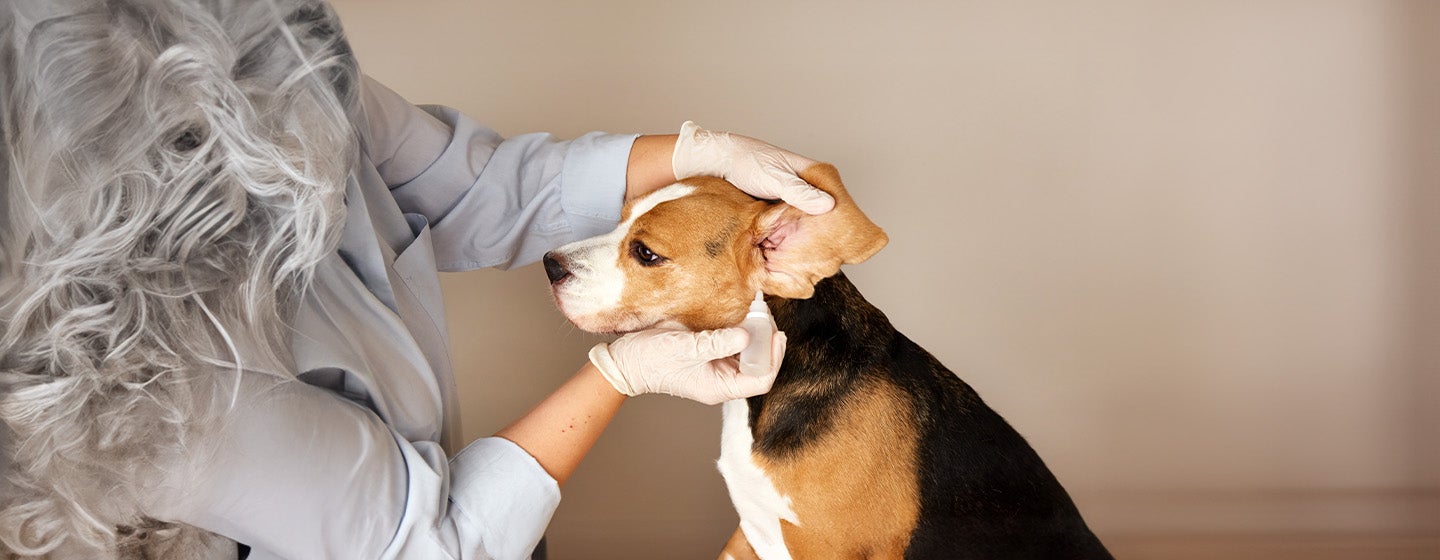
Our health checklist will help you monitor your dog for any signs of sickness or pain. MONITORING MATTERS Prevention is always better than a cure and your dog’s health is no exception. Every month you should check your dog carefully for early signs of illness. Just remember that some dogs are very good at hiding illness or pain, so you need to be vigilant. DOG HEALTH CHECKLIST • Body condition – you should just be able to feel the ribs and no more; there should be a “waist” between your dog’s ribs and hips and the belly should not sag. Watch for signs of weight loss or weight increase. • Ears – your dog’s ears should be clear of any thick brown or green wax with no smell. Some long-eared breeds benefit from regular ear cleaning with special ear cleaners. Be careful what you use to clean the ears – the skin is very sensitive – and don’t clean too deeply or vigorously, as the eardrum can be easily perforated. If in doubt, ask your vet for help. • Eyes – eyes should be bright and clear, with no signs of runniness, redness or soreness. Your dog should not shy away from light as if it hurts the eyes. Eye problems can sometimes be accompanied by flu-like symptoms. • Nose – Don’t be concerned if your dog’s nose isn’t wet and cold – it is common for healthy dogs to have dry noses. Instead make sure there is no crusting on the surface of the nose, runny discharges or bleeding. If you have any concerns, ask your vet for help. • Breath – bad breath is not just a cosmetic or social problem (we all know dogs with bad breath can be less than pleasant company). Bad breath can indicate a digestive problem or bad teeth, or gums which could potentially lead to organ problems if left untreated. Teeth should be white with no excess tartar, which looks thick and brown. The gums should be pink or black, not red or swollen. • Skin and coat – your dog’s skin can be various colours depending on the pigments normally found in the breed. The coat, meanwhile, should be thick (depending on breed) and shiny with no broken hairs. Your dog should be free of any scruffy dandruff or sores. Hair can be shed all year round, but it’s normally worse in summer and autumn – having a good vacuum cleaner is useful. Some breeds like poodles don’t shed, although they need clipping regularly. • Nails – these should be smooth and can be white or black. Nails that are roughened and break easily may require attention. When checking the nails, remember the dewclaws found on the inside of the leg just below the wrist. Some dogs have them on the front legs only; some have them front and back; and some don’t have any at all. • Digestion – keep an eye on your dog’s appetite – are there any noticeable changes? This can be very difficult to tell if the dog is new to you, or very fussy. There should be no sickness or choking when eating and stools should be a normal colour, with no diarrhoea, constipation or mucus (clear jelly) passed. • Thirst – if your dog suddenly becomes thirsty or starts drinking more than usual, consult your vet. • Attitude – your dog’s general attitude to life can tell you a lot. If you notice the head and tail are down, it usually means your dog is feeling under the weather. Poorly dogs can also skulk in corners, or even dig holes in the garden to lie in. If you’re worried, ask your vet’s advice. For more information on keeping your dog health please contact our Purina Pet Care Advice Teamhere.
How to Switch Dog Food Brands
2 mins read
If you ever need to change your dog’s brand of food – be it for nutritional, medical or life-stage reasons – it’s important to make the transition as smooth as possible. CH-CH-CH-CH CHANGES There are a host of reasons why you may need to move your dog onto a different food: nutritional requirements alter as dogs get older; a medical condition may require a special diet; and occasionally dogs get fussy and just go off their usual brand. Because dogs can often be sensitive to changes in their diet, try to make the transition as smooth as possible. A slow transition process will help your dog to more easily digest the carefully formulated ingredients and nutrients of the new brand by naturally adjusting the enzymes in the digestive tract. MAKING THE SWITCH Start by mixing the new food with your usual brand, then gradually increase the proportion over one week to 10 days, until your dog is only eating the new food. Don’t be surprised if your dog has an upset tummy to begin with. This is not unusual. Day 1:Add one part of the new food to nine parts of your dog’s usual food. Day 2:Add two parts new to eight parts of the old food. Day 3:Add three parts new to seven parts old, and so on until… Day 7 - 10:You are only feeding the new food. CHANGING FROM CANNED DOG FOOD TO DRY Provide plenty of drinking water. There is naturally far less moisture in dry food. CHANGING FROM PUPPY FOOD TO ADULT FORMULAS Transition puppies to an adult formula at approximately 12 to 24 months, depending on the size the dog will be when fully grown. Large and giant breeds take far longer to mature. Don’t be tempted to switch too soon. CHANGING FROM ADULT DOG FOOD TO SENIOR Dogs of seven years and older should be fed a specially formulated senior food, designed to provide the optimum balance of key nutrients. Click here to check out our specially formulated senior range.
Feeding Highly Active and Working Dogs
1 min read
There are some dogs that simply use more energy every day, whether because of their temperament, their job or their owner’s lifestyle. Rather than just feeding them more and more food to keep up with their increased energy needs, it is better to provide them with a special diet that is highly digestible and energy dense. PRO PLAN® Performance is the perfect choice for your high energy dog because it contains more calories in every mouthful than regular PRO PLAN® adult dog formulas. PRO PLAN® Performance is formulated with higher protein levels to nourish muscles, a higher fat level to provide a high power energy source, anti-inflammatory Omega 3 fatty acids and contains high quality chicken. WHAT TYPE OF DOGS MAY BENEFIT FROM PRO PLAN® PERFORMANCE? If you enjoy an active lifestyle and like to exercise with your dog every day, or your dog participates in sport like agility or sheepdog trials, it is likely they will require specialised nutrition such as PROPLAN Performance to keep them in ideal body condition Some dogs have a faster metabolism or a more nervous temperament, which means they burn more calories just doing everyday things and keeping condition on them is harder. Dogs with jobs that require them to be very active, such as police dogs, working farm dogs or search and rescue dogs, will often need a higher energy diet. Dogs with short coats that live outdoors, may need extra nutrition to stop them losing weight during the coldest months of winter. PRO PLAN® Performance is an All Life Stage formula, which means it is also suitable for pregnant or nursing bitches and for feeding puppies. For more information on highly active dogs please contact our Purina Pet Care Advice Teamhere.
Feeding According to Your Dog’s Size
3 mins read
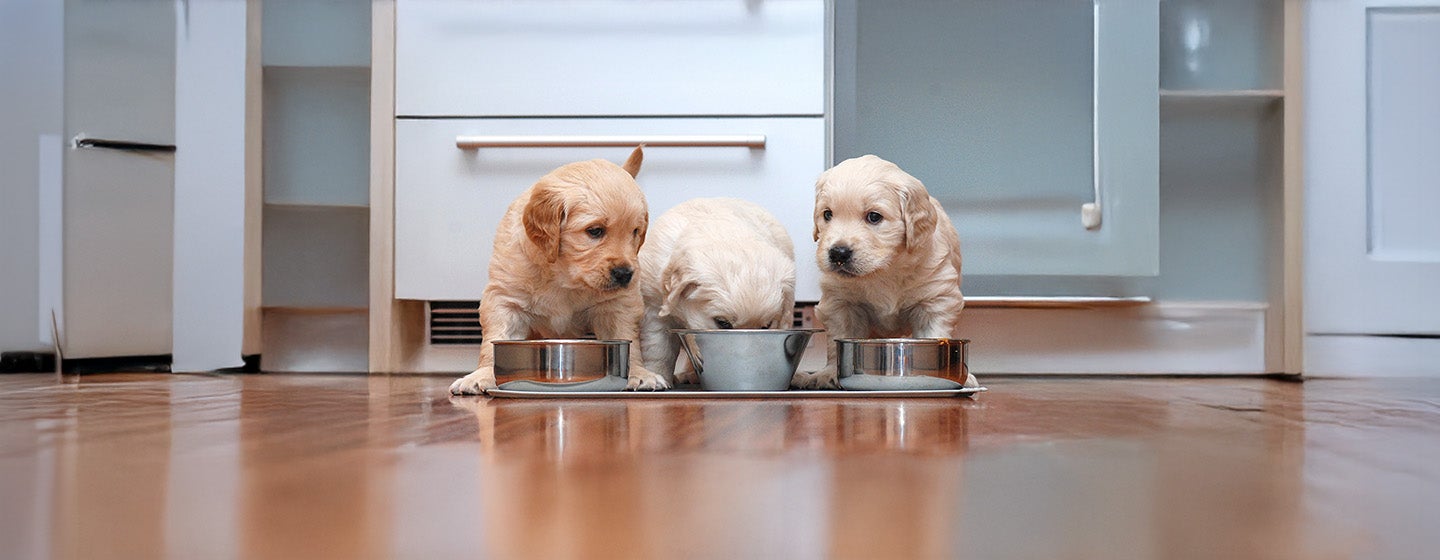
There has been a recent trend towards products and diets which target a specific breed of dog. The idea of feeding a food, which is apparently designed just for your dogs breed, may be very appealing to some owners. But is breed specific nutrition really the answer? PUPPIES COME IN ALL SHAPES AND SIZES! All puppies have an enormous amount of growth to accomplish during a relatively short period of time. The difference between large/giant dogs and smaller sized dogs is the rate at which they grow. Small-size breeds can be considered mature as young as six months but are generally considered to be adults by 12 months, while medium-size dogs attain mature size at approximately 12 to 16 months of age and the large and giant breeds types reach mature adult size between 18 and 36 months of age. It is the growth rate differences that have implications for the type of diet that is fed, the feeding practices that are used and how and what type of exercise can be introduced into a puppy’s life. High-quality puppy food like PRO PLAN® OPTISTART takes the weight of the dog at maturity into account and the size-based formulas are designed to help dogs of different sizes grow and develop at the rate most appropriate to their fully grown size, regardless of whether they are purebred or mixed breed dogs. WHAT ABOUT OTHER GENETIC DISORDERS? Veterinarians and scientists agree that there are genetic differences between breeds which result in a predisposition to certain diseases. For example, it is well known that Beagles are more likely to have hypothyroidism as they age than Chihuahuas and miniature Poodles have more eye problems than Great Danes. However, veterinarians and scientists know that these persistent breed differences are the result of ill-planned breeding and genetic mutation and rarely influenced by nutrition. Genetic diseases which can be influenced through nutrition include: diabetes, certain gut diseases or insufficiencies, certain skeletal diseases and a few skin diseases but these diseases most often require very specific therapeutic diets which can only be prescribed by a veterinarian. There are some health conditions which can be based on the phenotypic expression of genes and the environment. For example, many small dogs have a predisposition to dental problems because they have too many teeth or have retained puppy teeth and this can be exacerbated by eating habits. The same is true for other bone diseases. Large dogs may be predisposed to osteoarthritis, however, the lifestyle that a dog has will dictate the age at which symptoms may become clinical. As the average age of dogs shifts upwards, the incidence of osteoarthritis continues to increase, regardless of breed. Skin disease, like gut disease, is a general term which encompasses disease of genetic and environmental origin. There are some dogs which are more predisposed to skin disease than others; however, most skin diseases can manifest in any breed of dog. Finally, bloat or Gastric Dilatation and Volvulus (GDV) has long been regarded as a disease of certain breeds of dogs; however, new research shows that not only is environment and lifestyle a component of the predisposition of bloat, but also mental well-being. Dogs that are nervous or under stress will be more likely to bloat than “happy” dogs. Placing dogs in categories based on breeds is easy, convenient and a helpful way to for pet food companies to assist owners in choosing a pet food. However, there is not sufficient clinical data available that supports breed specific nutrition. Currently veterinarians and nutritionists agree that maintaining a cat or dog in ideal body condition and providing the type of complete and balanced high-quality nutrition that reputable pet food manufacturers offer is the most effective way of keeping your pet happy and healthy for many years to come. For more information please contact our Purina Pet Care Advice Teamhere.
Caring for Your Dog’s Sensitive Digestion
1 min read
Some dogs may experience sensitive digestion, and might need a food that can provide them with a nutritionally balanced diet, without giving them an upset stomach. Your dog deserves to have a healthy digestive system. When he is given all the nutrients he needs, along with a tasty meal, you’ll know about it! He’ll be thriving, energetic and bursting with life. For your dog to be healthy and living life to the full, a sensitive diet may be required. A healthy digestive system will absorb the nutrients from food and turn them into energy. This energy will help to enable your dog’s protective immune cells to create a barrier between him and any harmful microbes and toxins. All in all, a healthy digestive system will give your dog a happy and fulfilling life. HOW DO YOU KNOW IF YOUR DOG HAS A SENSITIVE STOMACH? If your dog’s stools are consistently soft or poorly formed, your dog may have a sensitive stomach. Occasional diarrhoea and loose stools are normal for dogs, usually due to a microflora imbalance. However, if this is a frequent occurrence, a sensitive stomach could be the cause. This may be a sign of a food intolerance or an allergy. If you think this could be the case for your dog, get your vet to examine your dog. There are lots of different types of dog foods for dogs with sensitive stomachs which could be more suitable for your pet. For more information, consult your vet. For more information on caring for your dog’s sensitive digestion please contact our Purina Pet Care Advice Teamhere.
A Balanced Diet for your Dog
3 mins read
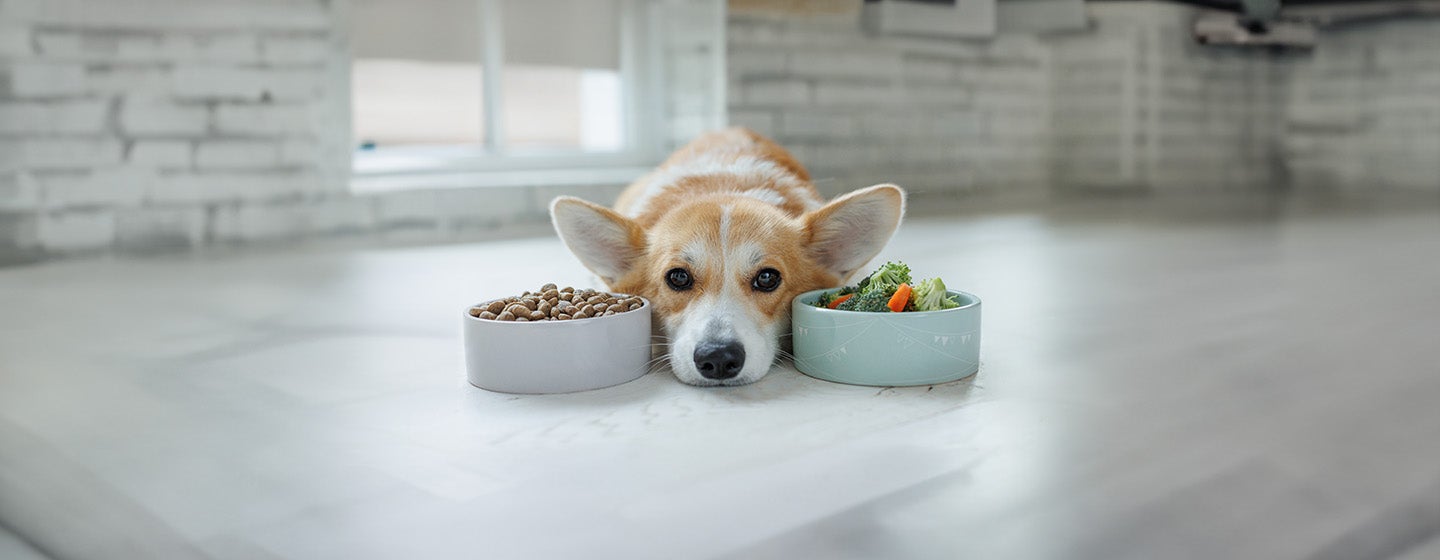
A balanced diet is essential for your dog’s long-term health. To ensure they get one, you need to be aware of the following. SIX OF THE BEST To help them lead an active, healthy life, your dog’s diet needs to have the right balance of the six major nutrient groups: • Proteins • Fats and oils • Minerals • Vitamins • Carbohydrates • Water Unless your dog is pregnant or nursing, or suffering from a particular condition, there is no reason to change their food from the early days of adulthood until the end of the sixth year when your dog reaches ’senior’ status. Dogs have different nutritional needs from humans. Whereas we are advised to eat fresh fruit and vegetables to provide vitamin C, the bacteria in a dog’s stomach produces enough vitamin C so they don’t need any more in their diet. Dogs are not true carnivores and can’t exist on meat alone. A high-quality commercially prepared dog food like PRO PLAN® has been carefully formulated to provide the proper balance of all the nutrients a dog requires, as well as tasting good. DOG NUTRITION IN A NUTSHELL Ideally, dogs need a combination of meat, cereals and vegetables to get the right nutritional balance. WHAT A DOG NEEDS Protein Proteins, made from amino acids, are the building blocks of the body. The proteins you feed your dog (like chicken, lamb or salmon) are responsible for releasing energy and forming muscle, skin, hair, antibodies, enzymes, haemoglobin and hormones. Fats Fats and oils provide the ‘fuel’ your dog needs to stay active – supplying more than twice as much energy as protein and carbohydrates. Fats and fatty acids are essential for good skin and coat condition and a healthy immune system. Fats are also important in improving the taste and digestibility of food. Carbohydrates Common carbohydrates like cereals and rice are an excellent energy source. Fibre also supports the digestive process. Minerals Minerals, such as calcium and phosphorous, are essential for strong bones and teeth, cell and tissue development, fluid balance and metabolic processes. Minerals must be carefully balanced; an excess of one can lead to a deficiency in another. Vitamins Vitamins are required in small amounts to help maintain growth, a healthy skin and coat, and to support the immune system. Too much of certain types can be harmful, while a deficiency in others can be equally damaging. Fat-soluble vitamins, (A, D, E and K) are stored in your dog’s fatty tissues, whereas water-soluble vitamins (B-complex and C) are excreted in the urine. Unlike humans, dogs do not require a dietary source of vitamin C. Water Water is essential for all living things and dogs are no exception. The amount of water dogs need depends on several factors, including air temperature, exercise levels and whether or not they are eating canned or dried food. Water regulates the body’s temperature, transporting nutrients around the body and removing waste. You should make sure your dog has access to clean, fresh drinking water at all times. WHAT NOT TO FEED YOUR DOG If you prepare some of your dog’s meals from scraps or specially purchased meat, take care. These diets are often too high in meat and not rich enough in other important nutrients and minerals, like calcium. On top of that, some common human foods such as rhubarb, soya, onions, grapes, spinach, beetroot and undercooked maize or kidney beans are poisonous to dogs. Chocolate can be extremely harmful, and should never be fed to your dog. As little as 60g of cooking chocolate can kill a medium-sized dog! For more information on a balanced diet for your dog please contact our Purina Pet Care Advice Teamhere.
Dog Weight Loss and Feeding Issues
2 mins read
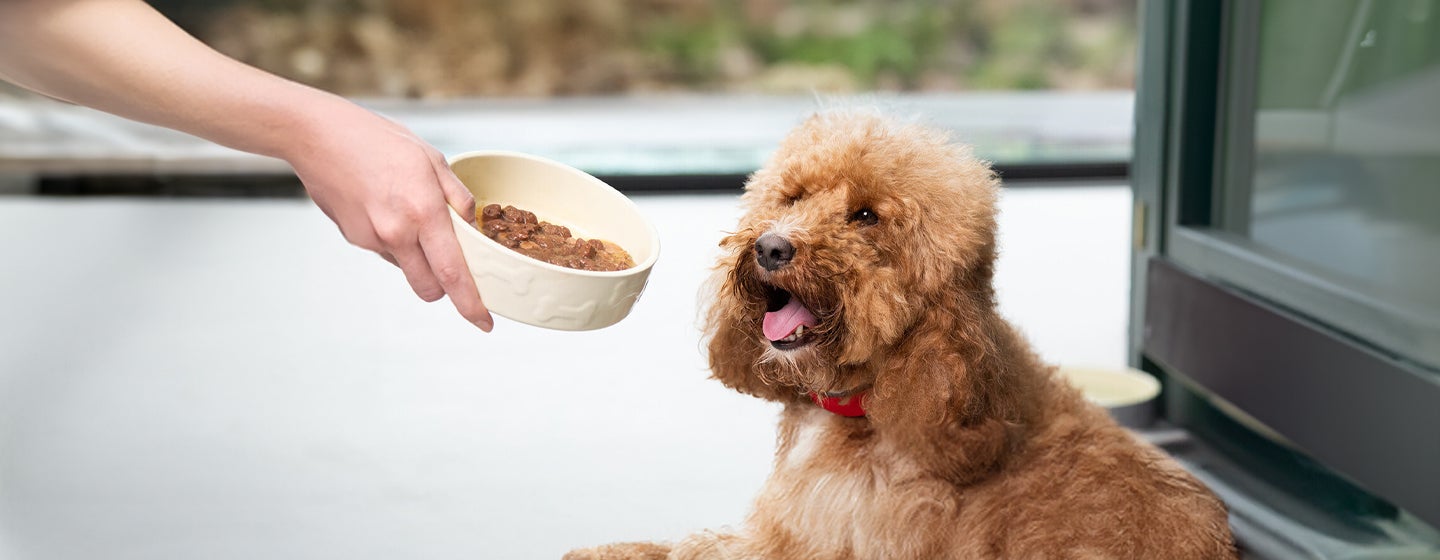
Is Your Dog a Picky Eater? It may be that you’re offering your dog a large variety of foods, which could encourage him to refuse his regular food in order to see what will be offered next. Some dogs are eager to eat a particular pet food for several days, and then suddenly this eagerness vanishes and they eat reluctantly or refuse to eat for a few days. Sometimes this refusal is the dog’s attempt to control calorie intake. Overeating can cause a dog, like a human, to experience an uncomfortable feeling. It can be normal for a dog to attempt to relieve his discomfort by not eating or eating very little of his food. If your dog isn’t normally picky about his food and you’ve avoided creating “problem eater” habits, a trip to your veterinarian may be in order. Any deviation from his normal habits may be a sign of illness. How to Tell if Your Dog is Overweight, in Ideal Body Condition or Too Thin • Rib Check: Place both of your thumbs on your dog’s backbone and spread both hands across his rib cage. You want to be able to feel his ribs. Actually feeling your dog is important, as the coat of many dogs will make a visual check difficult. • Profile Check: Examine your dog’s profile – it’s best if you are level with your dog. Look for the abdomen to be tucked up behind his rib cage – this is ideal. • Overhead Check: Looking at your dog from overhead, identify whether you can see a waist behind his ribs. Most dogs at a healthy weight should have an hourglass figure. If you find that your dog’s ribs and waistline aren’t where they’re supposed to be, adjust the amount of food offered accordingly. Digestive Health Gastrointestinal disease is one of the most common reasons dogs are brought to their veterinarians. Some digestive problems can be a result of dog food intolerances, and may resolve once the dog’s digestive system is given a chance to rest. But more serious conditions could result in weight loss, dehydration and debilitation. Your veterinarian can determine the appropriate treatment.
Promoting Your Dog’s Health
2 mins read
Keeping Your Dog Healthy Your dog can help keep you happy and healthy, and we know you want to return the favour. While good food and exercise go a long way toward achieving that goal, it’s important to understand the health problems your dog may be at risk for. Some of the most common health problems for dogs have simple explanations, but a visit to your veterinarian is always the best way to confirm what’s really wrong and assure that your dog gets the best treatment possible. Preventing Obesity for Your Dog It may be simple to ignore your pet’s weight problem, but remember that it may shorten his lifespan and make his days more laborious and less enjoyable. Obesity can also lead to other health problems, like diabetes, diminished immune function and digestive problems. Helping Your Dog Lose Weight If your dog has become overweight and you can no longer feel his ribs, it’s time to change his habits. Consider a healthy weight management formula or a veterinary weight-loss diet, and make sure to walk your dog or provide him with some form of exercise every day. Cut out table scraps completely, and make sure treats comprise no more than 10% of his daily caloric intake. For the best chance of successful weight loss, work with your veterinarian to make a comprehensive, customised plan for your dog.

Pagination

  • First page
  • Previous page
  • …
  • Page 5
  • Page 6
  • Page 7
  • Page 8
  • Page 9
  • Page 10
  • Page 11
  • Page 12
  • Page 13
  • …
  • Next page
  • Last page
Purina Pet Club logo

Join Purina Pet Club for expert tips, helpful advice, exclusive offers and rewards.

Join the Club
Nourishing pets Purina pets grid card
Purina Pet Club logo

Join Purina Pet Club for expert tips, helpful advice, exclusive offers and rewards.

Join the Club
Nourishing pets Purina pets grid card
  • Cat
    • Care & Advice
    • Find a Pet
    • Food
    • Our Brands
  • Dog
    • Care & Advice
    • Find a Pet
    • Food
    • Our Brands
  • About Us
    • Our Mission
    • Our History
    • Our Purina Promise
    • Purina In The Community
  • Other
    • Join Purina Pet Club
    • Breed Selector
    • Contact Us
  • Cat
    • Care & Advice
    • Find a Pet
    • Food
    • Our Brands
  • Dog
    • Care & Advice
    • Find a Pet
    • Food
    • Our Brands
  • About Us
    • Our Mission
    • Our History
    • Our Purina Promise
    • Purina In The Community
  • Other
    • Join Purina Pet Club
    • Breed Selector
    • Contact Us
  • Cat
    • Care & Advice
    • Find a Pet
    • Food
    • Our Brands
  • Dog
    • Care & Advice
    • Find a Pet
    • Food
    • Our Brands
  • About Us
    • Our Mission
    • Our History
    • Our Purina Promise
    • Purina In The Community
  • Other
    • Join Purina Pet Club
    • Breed Selector
    • Contact Us
  • Cat
    • Care & Advice
    • Find a Pet
    • Food
    • Our Brands
  • Dog
    • Care & Advice
    • Find a Pet
    • Food
    • Our Brands
  • About Us
    • Our Mission
    • Our History
    • Our Purina Promise
    • Purina In The Community
  • Other
    • Join Purina Pet Club
    • Breed Selector
    • Contact Us
© 2026 Purina. All Rights Reserved.

©Reg. Trademark of Nestlé S.A.

Terms & Conditions
Privacy Policy
Cookies
© 2026 Purina. All Rights Reserved.

©Reg. Trademark of Nestlé S.A.

Terms & Conditions
Privacy Policy
Cookies
© 2026 Purina. All Rights Reserved.