Sorry, you need to enable JavaScript to visit this website.
Skip to main content
Benefits of Having a Cat to Humans
3 mins read
Cats Help Improve Our Moods and Help Us Deal with Stress Do you know just 15 to 30 minutes of quality time with a cat can calm your nerves and boost your mood? There’s even chemical evidence. When you spend time with a cat, your production of serotonin, a chemical that boosts feelings of well-being, goes up, and your cortisol levels go down. Cortisol, along with high blood pressure, is a result of stress, and can lead to high cholesterol and hypertension. This means that spending time with a cat can keep you healthier in the long run. DID YOU KNOW? A 20-year study found that people who owned a cat were 40% less likely to die from a heart attack. J Vasc Interv Neurol. 2009 January; 2(1): 132-135. PMCID: PMC3317329 Detecting Seizures More and more stories are cropping up about cats that can tell when their owners are about to have seizures and will do their best to warn them. While scientists suspect this ability has something to do with detecting biochemical scents, how it works remains a mystery. BBC News, “Pet cat ‘senses’ Bournemouth owner’s epilepsy.” http://www.bbc.co.uk/news/uk-england-dorset-12740040. Pets Can Be Good for Our Children • When kids imagine how a pet feels, it may help them learn to empathise with their peers and take their feelings into account. • Teaching children to confide in their pets as if they were friends may help children recover from trauma. • Children who own pets may have higher self-esteem. • Teaching kids to care for a cat may make them more cooperative and willing to share. The New York Times, “HEALTH; Children and Their Pets: Unexpected Psychological Benefits.” http://www.nytimes.com/1990/01/11/us/health-children-and-their-pets-unexpected-psychological-benefits.html?pagewanted=all&src=pm.<
Your Cat’s Behaviour
8 mins read
What is Your Cat Trying to Tell You? Even when cats are silent, they’re always giving off signals of their current moods. Is your cat feeling playful? Does she want to be approached? Is she fearful? Relaxed? Understanding how your cat’s non-verbal communication differs from that of people and dogs is a simple step you can take toward strengthening your bond. What Your Cat’s Body Language Says About Her Mood FRIENDLY A friendly cat’s eyes will be alert and blinking, and her ears will be pointed forward while she holds her head up and fans out her whiskers. If you hear meowing, she may be looking to interact. Keep in mind that how you interact should be based on the personality of the cat and the context of the situation. FEARFUL You may have to look closely for indications of fear in your cat, because while her posture may appear calm, a closer look at her face and tail may show distress. A fearful cat may have dilated pupils and flattened ears, and her tail may be held downward, close to her body, while she flattens her whiskers and presses them against her face. Try to minimise sudden or rapid movements when your cat seems fearful, as they may amplify her discomfort. PLAYFUL When a cat is standing with her tail curled, rolling side-to-side or belly up, she’s likely looking for contact and play. Her ears may be pointed forward, as well. Just make sure not to touch her on the stomach, as you would a dog, because this will elicit reflexive, defensive or predatory behaviours that might make her claw or bite your hand. RELAXED You can tell if your cat is relaxed by looking at a combination of cues. Make sure you examine her facial expression and body language, as a crouched, relaxed position can look similar to fear. Her ears will be pointed forward, and her tail will be visible, rather than tucked or curled, while her whiskers will remain slightly fanned out, rather than pulled back against her face. NEGATIVE When a cat is showing negative body language, she is most likely not open to contact. It’s probably best not to try to approach or pick her up, especially if the cat is hissing or growling. Her pupils may be dilated, and her ears will be flattened against her head. She may arch her back, and the hair on both her back and her tail may be raised.
Choosing Your Kitten
4 mins read
Choosing the Perfect Kitten Deciding to get a kitten is easy. Finding the perfect one is a bit trickier. When it comes to choosing a new kitten the first step is to track down an animal shelter or reputable breeder. HOW TO FIND YOUR PERFECT MATCH Shelter Kittens Animal shelters hold kittens of all varieties and ages. A good shelter will have clean litter trays and toys as well as warm and sheltered areas for sleeping. The staff will ask you lots of questions and you should do the same to them – this way, there’s a better chance that you’ll find your perfect match. Most reputable charities may neuter their cats before they are released or insist that you sign an agreement ensuring the operation is performed. FINDING A BREEDER Breed clubs may also have a list of litters available, or can put you in contact with breeders in your area. You can also try going to a cat show to meet breeders and owners to find out more information. Pedigree kittens are generally available all year round. Once you’ve found a breed, here are some questions to ask them: • What is the extent of their interest in the breed? Do they show them, breed regularly or are they just pets? These factors may indicate the level of attention being devoted to preparing kittens properly for life as a pet. • How many litters do they produce each year? Responsible breeders will only produce one litter per female cat per year. • How many litters has this particular cat produced? • Where will the litter be raised? Home reared kittens will be far better socialised than ones kept in a cattery. • What after-sales service do they provide? Responsible breeders will offer advice and support for the life of the cat. • Are there any known genetic problems in the breeder’s lines?
Kitten Care
9 mins read
Kitten Care Every pet owner wants to ensure that they’re properly caring for their pet. It’s a small price to pay for all the love and affection you’ll receive from them. So it’s good to keep these tips in mind for providing ongoing care for your kitten. Grooming, of course, should be part of your day-to-day routine. And while cats naturally groom themselves, they also need a little help from you. We’ll show you how. While caring for your kitten’s appearance is important, it’s also important to care for their emotional well-being. One of the most common behaviour issues in kittens is separation anxiety. It can be frightening for a small kitten to be left alone, but there are some simple things you can do to help you kitten adjust to spending time on its own. But there can be other sources of stress for your kitten, too. Even things you wouldn’t think would affect them, like moving to a new house can impact on their health and social confidence. Don’t miss our tips for caring for your kitten, to help make sure your kitten settles securely into life with its new family. Kitten Grooming If you start early enough, kittens and cats love being groomed. Most will even learn to come running when they see the brush in your hand TIPS ON GROOMING Kittens are perfectly capable of grooming themselves. Their rough tongues are like mini-brushes, removing dead hair and distributing oils through the coat. However, your kitten will still appreciate a helping hand, especially for example, to remove knots from their coat. Grooming isn’t just about making kittens look good – it removes dead hair, keeps the coat and skin healthy, and offers you an opportunity to build a bond.
Kitten Advice
6 mins read
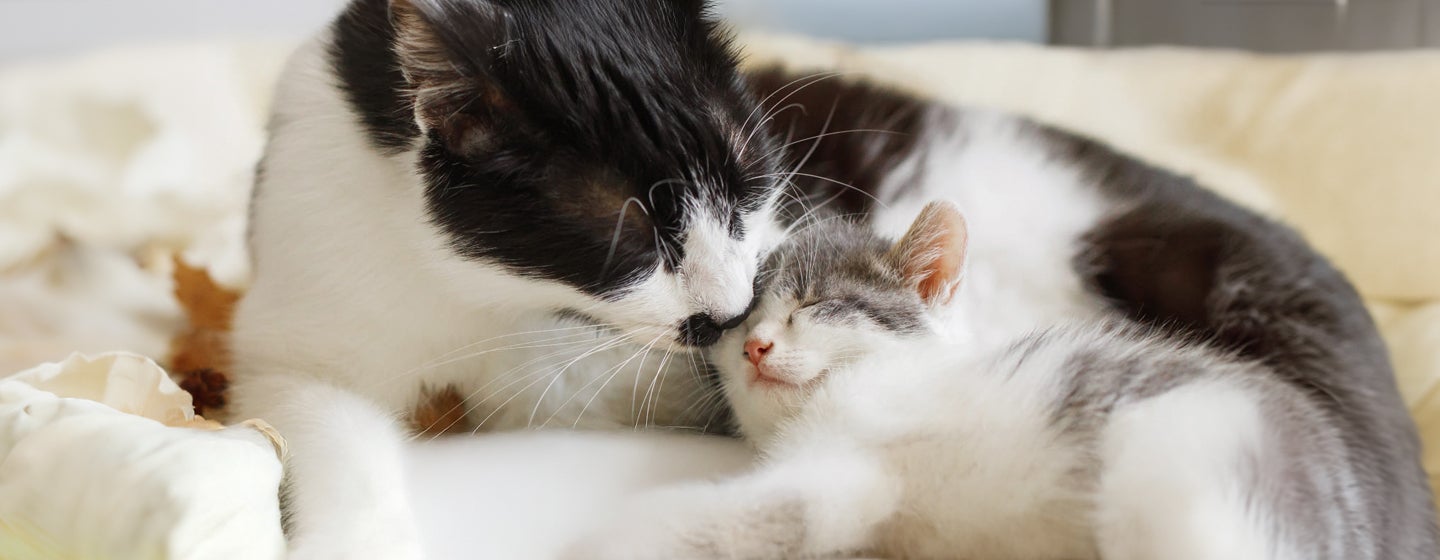
About Kittens The arrival of a new kitten is a wonderful time, but we know it can be an anxious one too. Keeping them safe and happy takes planning and patience for everyone in the household, but the effort will pay off, as your new pet grows into a confident, affectionate new family member who knows there’s no place like home. Remember, the more love and care you give your kitten, the happier and healthier they’ll be! Introducing Your Kitten To Family A new kitten is a new family member. Here is the most effective way to introduce your kitten to the family without causing any sibling rivalry! Your new cat and your family When you bring kittens home, let them rest and get their bearings first. Once they’re ready, you can start introducing them to their new human family. Get everyone to sit on the floor and only touch the kitten if approached. There should be no grabbing or arguing. If kittens hide, tempt them out with a toy or a treat – encourage but don’t force them to be sociable. If you have children, they will need to learn how to handle kittens properly. • Teach them how to stroke the cat gently. Toddlers generally ‘pat’, which can hurt. • Teach them where to stroke kittens – the top of the head and along the back. • Although tummies are irresistible when a kitten is rolling and playing, most are rather sensitive about this area and may lash out. • The litter tray is not a sandpit – so don’t let young children play in it! • Your kitten should always be left alone when feeding, toileting, or sleeping. • Tails should never be pulled. • Hands should be washed after handling the kitten and the litter tray. Introducing Your New Kitten To Other Cats Most cats will eventually accept a newcomer, though it depends on the personalities involved. Let your kitten settle in for a couple of days before any introductions are made. When introducing a cat to another cat – they will either learn to ignore each other or become best friends, curling up with each other for a nap and grooming each other regularly. • Play it safe and use an indoor pen or carrier to protect your new arrival from any over-reaction from the surprised resident territory holder. Put the carrier on the floor of a chosen safe room. • Invite the older cat into the room. Both cats will be able to assess each other through the bars of the crate without coming to any harm. • Stroke your older cat to provide some reassurance and show there is no favouritism. • Don’t worry if there is a spat with hissing and arched backs – this is natural. • Once the introductions have started going smoothly, reverse the positions and bring the kitten to meet the older cat. Praise them both if they are civil to each other and give them each a treat. • Hold the next meeting in another room. Keep moving around the house so the kitten’s scent spreads too. • Repeat short introductions frequently until there is less of a reaction from either of the cats. • Before you know it, they will be getting on with their own lives with only the odd scrap.
De-sexing
1 min read
The decision to de-sex is one of the most significant aspects of pet care a cat owner can provide. De-sexing is known as spaying in female cats and neutering in male cats. De-sexing is performed by a veterinarian and is best carried out on your cat while they are still young. Benefits of De-sexing Spaying is good for the health of your cat and reduces the risk of her developing mammary tumours and uterine infection. Un-spayed female cats can breed prolifically, starting as young as 5 months and being able to have up to 15 kittens a year. Spaying avoids unwanted kittens, reduces the number of strays and dumping of unwanted cats. Neutering male cats reduces the risk of them developing testicular cancer. They are also much less likely to be aggressive and become involved in fights with other cats and less likely to spray urine to mark their territory. Entire (un-neutered) male cats that are involved in fights are more at risk of developing abscesses and spreading disease and of course also increase the population of unwanted kittens. Neutered cats are also much less likely to wander and have a reduced chance of being run over by cars. Weight gain Some people are reluctant to de-sex their kittens because they think it causes weight gain. Neutering does not directly cause male cats to gain weight and will not normally affect their activity levels. Spaying can lead to a weight gain because of the decrease in the female cat’s metabolism, as well as a change in her hormone levels. A reduction in oestrogen has also been associated with increased appetite and higher fat levels. Feeding weight management diets or diets specifically designed for spayed and neutered cats (such as PURINA ONE Ideal Weight) will help reduce calorie intake and minimise weight gain.
Why Won’t My Dog Eat Dry Dog Food?
1 min read
Is your dog not eating dry food? There are a lot of different reasons why a dog may turn up it's nose at their food. Refusing to eat dry dog food could just mean that your dog is a picky eater, but it also could be a sign of a more serious health problem. If your dog won’t eat dry food, here are some steps you can take to help get them eating again. Make sure he’s healthy If your dog normally eats their food with gusto and has suddenly stopped eating, the most important thing to do is rule out any serious health problems. Many dogs won’t eat if they’re not feeling well, especially if they’re suffering from intestinal or dental issues, so you should visit your veterinarian to make sure nothing’s wrong. But if your dog eats other kinds of food (like wet food or snacks) and refuses to touch his dry food, it may mean he’s a picky eater. Break bad habits If you offer your dog a large variety of foods, they may turn up his nose at their regular dry food to see if you’ll offer them something better —especially if you have given them wet food or human food. Stick to the same thing every day and only offer your dog their regular dry food to help curb their picky tendencies over time. Try enhancing his meal Some dogs just don’t like the taste or texture of dry food. If your dog is not eating their dry food, you may want to mix a small amount ofwet foodwith his dry food to make it more palatable. If you do decide to add wet food to his regular meal, remember to scale back the amount of dry food to avoid over-feeding him.
How to Feed Your Dog
3 mins read
Feeding Your Dog Our recommendations for your dog will vary depending upon your dog’s age, breed, activity level, metabolism and your own schedule. Whether you feed your dog once or twice daily, make sure to feed him at the same time each day and provide fresh drinking water at all times. HOW MUCH SHOULD YOU FEED YOUR DOG? Follow the feeding guide on the back of the pack, but remember the guide is only there to give you an idea. Every dog is an individual, so the most important consideration is to feed enough to maintain a lean, healthy condition. Always provide a bowl of fresh drinking water. If you feed biscuits or treats, remember to reduce your dog’s main meals accordingly. Treats should never constitute more than 15 per cent of your dog’s diet. DOG FEEDING CHECK-LIST: • Feed your dog once or twice a day, as part of a regular routine. Deep-chested breeds such as the Doberman will particularly benefit from two smaller meals. • Serve food at room temperature to ensure your dog can taste and smell it properly. If you are feeding canned food, warming up an opened can may take up to two hours once it has been taken out of the fridge. Alternatively, you might consider microwaving wet foods (out of the can) for a short time. But avoid serving food that is either too hot or too cold. • If feeding a dry complete food, store it in a dry, clean environment. Resealable packaging or an airtight container keeps it tasty by sealing in the aroma. • Your dog should be fed in a quiet place away from interruptions and away from where you eat. It’s always a good idea to feed on a surface that is easily cleaned, like a tiled floor or a mat. • Don’t allow children to interrupt your dog when he is eating or he may mistake them as a ‘predator’ trying to steal food and react aggressively. If you have more than one dog, feed them separately to avoid bullying or fighting. • Try not to feed your dog immediately before or after exercise. Many dogs are susceptible to a twisting of the gut and blocking of the stomach, which requires immediate veterinary attention. About an hour’s grace either side is advisable.
Dog Food Safety
3 mins read
Dogs can get food poisoning too, so to make sure it doesn’t happen to your pet, either use manufactured pet food or take note of our practical tips. SAFETY FIRST Your dog depends on you for a good diet and the right nutrition. So it’s important that you pay special attention to the quality and freshness of the food you provide. After all, food poisoning does occur in dogs. Illness from manufactured pet food, however, is very rare thanks to stringent quality assurance and safety checks throughout the manufacturing process. However, it’s always best to check the use-by date to ensure maximum freshness. You do it for yourself when out shopping, so why not for your dog, too? Starting with the selection of raw ingredients right through to warehousing and delivery, the manufacture of pet food is closely monitored every step of the way, and processes, additives, ingredients and product safety are all regulated. MANUFACTURED DOG FOOD – COOKING Regulated and automated, the cooking process kills off all living organisms present in the ingredients (bacteria and moulds). Cans and pouches are cooked by sealed-in pressure cooking. Dry foods are extruded (flash cooking a dough at high pressure) or baked. Finished products are segregated from the incoming raw materials to prevent cross-contamination. MANUFACTURED DOG FOOD – PACKAGING Canned foods are sealed to prevent any further contact with external micro-organisms or exposure to oxygen, which could cause spoilage. Lacquered linings for cans and the foil of pouches protect the food and metal from interacting. Damaged cans are at risk because the protection seal may have been broken, so look out for swollen cans and pouches. Dry foods remain fresh over many months because bacteria can’t grow and spoil food when moisture levels are low. Dry food packaging and the fatty coating of biscuits help prevent the entry of moisture and oxygen that can cause food spoilage during storage. Once opened, store dry foods covered in a cool dry place. Do not store moistened dry foods as moulds may grow, which can harm your pet. MANUFACTURED DOG FOOD – INGREDIENT SELECTION AND QUALITY Every ingredient used in commercially produced food must meet established levels of quality. Suppliers use standardised analytical techniques to ensure ingredients conform to regulations and are free of, or meet the minimal safe levels of, toxins and metals, as well as offering the correct nutrient content. Fallen animals or spoiled cereals are excluded from pet foods, as are certain organs like brain, spleen and spinal cord. Meats are delivered to factories frozen or chilled to ensure quality. Any additives used have to conform to regulations and be certified as safe. DOG FOOD SAFETY AT HOME Storage– Dry food should be stored in an airtight container, which keeps it tasty by sealing in aromas and keeping out bugs. You can leave a serving of dry food in the bowl, as it won’t spoil, but beware of attracting ants and rodents. Feeding– Place your dog’s bowl on a surface that is easy to clean, like a tiled floor or a mat. Feeding bowls should be made from metal (easy to clean), ceramic (not easily knocked over) or plastic (although these might get chewed and the teeth marks can harbour germs). Food safety-is about good feeding practice as well as hygiene. For example, don’t exercise your dog an hour before or an hour after feeding. Some dogs eat their food too quickly and are prone to choking, so raising their feed bowl and choosing a dry food that has larger pieces can help. For more information on dog food safety please contact our Purina Pet Care Advice Teamhere.

Your Dog’s Diet
2 mins read
Our Global Nutrition Philosophy We’re pet lovers ourselves, and we believe all pets deserve nutrition that goes beyond industry standards. From advancing the way kibble is made to employing over 400 scientists and nutritionists globally, we work continually to push pet nutrition forward for dogs everywhere. DISCOVER OUR GLOBAL NUTRITION PHILOSOPHY What Do Dogs Need to Thrive? Dogs, just like humans, have complex nutritional needs. It can be hard for owners to understand every facet of what their dog needs, but they needn’t look beyond their pet food. Purina complete pet foods provide a 100% complete and balanced diet for pets. At Purina, we reflect dogs’ natural needs using our quality ingredients. One common misconception is that dogs are carnivores. The reality is that even their wolf ancestors eat only 70% meat. Today’s dogs are omnivores, built to consume a more balanced diet – and that’s a good thing. Depending on the breed, dogs can live twice as long as wolves. To understand your dog’s needs, let’s look at his physiology: PHYSIOLOGY

Pagination

  • First page
  • Previous page
  • …
  • Page 4
  • Page 5
  • Page 6
  • Page 7
  • Page 8
  • Page 9
  • Page 10
  • Page 11
  • Page 12
  • …
  • Next page
  • Last page
Purina Pet Club logo

Join Purina Pet Club for expert tips, helpful advice, exclusive offers and rewards.

Join the Club
Nourishing pets Purina pets grid card
Purina Pet Club logo

Join Purina Pet Club for expert tips, helpful advice, exclusive offers and rewards.

Join the Club
Nourishing pets Purina pets grid card
  • Cat
    • Care & Advice
    • Find a Pet
    • Food
    • Our Brands
  • Dog
    • Care & Advice
    • Find a Pet
    • Food
    • Our Brands
  • About Us
    • Our Mission
    • Our History
    • Our Purina Promise
    • Purina In The Community
  • Other
    • Join Purina Pet Club
    • Breed Selector
    • Contact Us
  • Cat
    • Care & Advice
    • Find a Pet
    • Food
    • Our Brands
  • Dog
    • Care & Advice
    • Find a Pet
    • Food
    • Our Brands
  • About Us
    • Our Mission
    • Our History
    • Our Purina Promise
    • Purina In The Community
  • Other
    • Join Purina Pet Club
    • Breed Selector
    • Contact Us
  • Cat
    • Care & Advice
    • Find a Pet
    • Food
    • Our Brands
  • Dog
    • Care & Advice
    • Find a Pet
    • Food
    • Our Brands
  • About Us
    • Our Mission
    • Our History
    • Our Purina Promise
    • Purina In The Community
  • Other
    • Join Purina Pet Club
    • Breed Selector
    • Contact Us
  • Cat
    • Care & Advice
    • Find a Pet
    • Food
    • Our Brands
  • Dog
    • Care & Advice
    • Find a Pet
    • Food
    • Our Brands
  • About Us
    • Our Mission
    • Our History
    • Our Purina Promise
    • Purina In The Community
  • Other
    • Join Purina Pet Club
    • Breed Selector
    • Contact Us
© 2026 Purina. All Rights Reserved.

©Reg. Trademark of Nestlé S.A.

Terms & Conditions
Privacy Policy
Cookies
© 2026 Purina. All Rights Reserved.

©Reg. Trademark of Nestlé S.A.

Terms & Conditions
Privacy Policy
Cookies
© 2026 Purina. All Rights Reserved.