Sorry, you need to enable JavaScript to visit this website.
Skip to main content
Settling in Your New Cat
2 mins read
MAKING YOUR HOME PURR-FECT Bringing home a cat is the start of a long and happy life together. Below are some tips on welcoming the latest addition to your family: Choose a name – be creative and have fun! Just make sure it’s easy to say and doesn’t sound like anyone else in the family’s name, which might make things a tad confusing! Serve fresh food and water every day in clean plastic, ceramic or stainless steel dishes. Make sure your cat’s litter tray is as long and wide as possible. Cats function best when they have a choice of at least two trays, which are easily accessible. Attach an ID tag and bell to your cat so you know when they’re trying to get out! Make sure their collar allows for a ‘quick release’, in case their head gets caught on a branch or similar. Also speak with your vet about microchip insertion in case your cat gets lost. Choose a bed for your cat. There are number of beds in all sorts of shapes, sizes and materials available in stores, but even a closed cardboard box with soft bedding and a hole cut into one side will do. Bear in mind, however, that your new pet may prefer your favourite sweater! Choose a variety of sturdy cat toys. Dangle them from a string tied to a stick and watch your pet perform all sorts of complicated gymnastics, before putting them away again when playtime is over. Always check the toys for damage after each play session. Cats don’t need to be bathed but brushing or combing your cat’s coat is a good habit and can help prevent hairballs. Find a vet that you can trust. This relationship may last 15 to 20 years. To prevent damage to carpets and furniture, provide scratching posts of sisal rope or horizontal strips of corrugated cardboard. Position a post near each of your cat’s favourite resting places. Finally, take lots of photos as your new pet will grow up very quickly. Plus, if your cat ever gets lost, recent photos on posters are a huge help to help bring them home. Need more information? Contact the Purina Pet Care Advice teamherefor free advice.
7 Ways to Keep Your Senior Dog Active and Healthy
2 mins read
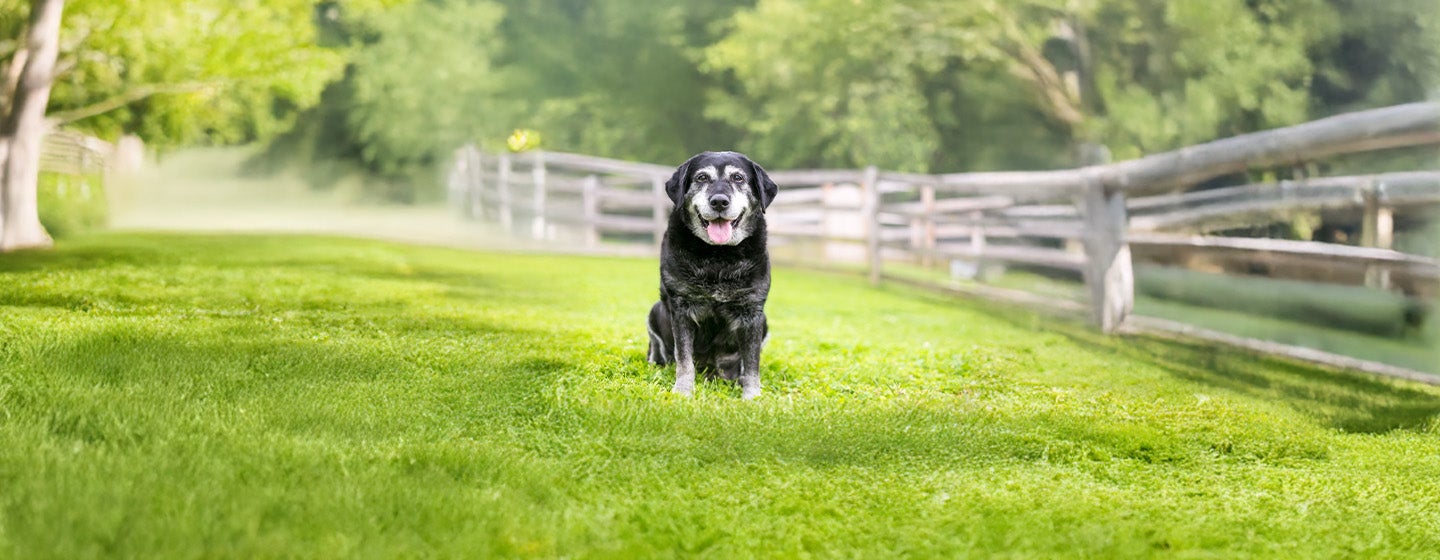
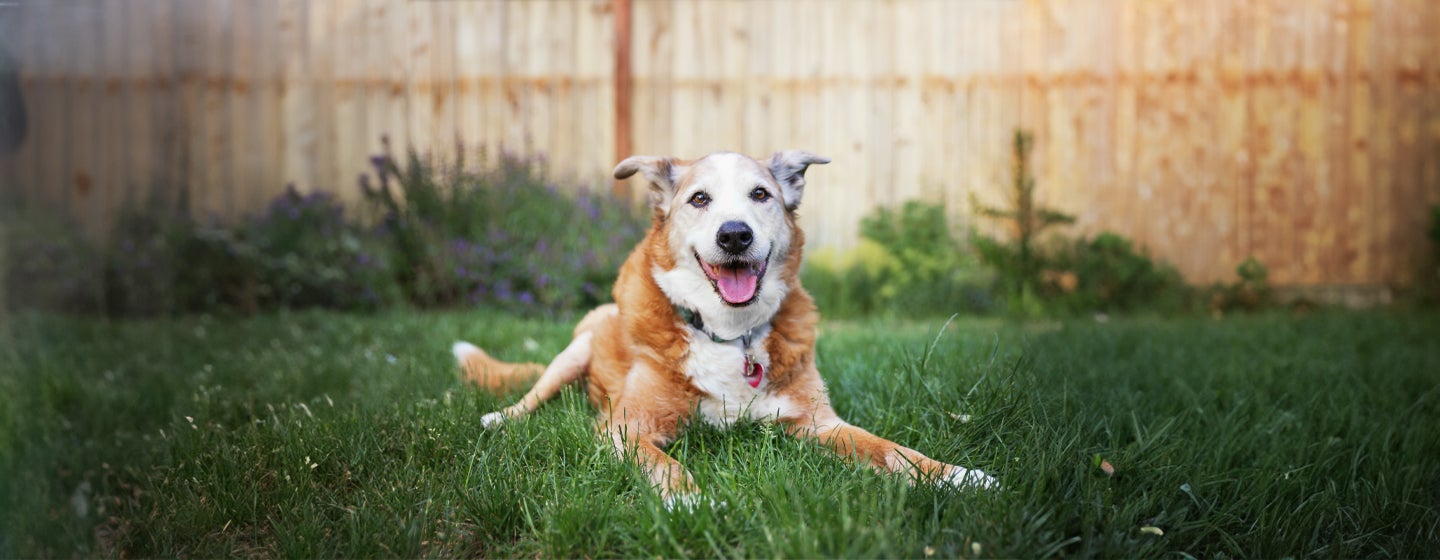
When your dog starts to display some of the signs of aging, such as sleeping more and playing less, it’s easy to assume these changes are an inevitable part of growing old. But for dogs aged seven and older it is important that they have regular exercise, mental stimulation and specially formulated nutrition to help support some of the physical and cognitive changes that can occur with aging. Introduce new toys and activities. For an older dog, a new toy isn’t just fun and exciting – it can also offer your dog mental stimulation and encourage more interaction. Explore new places. Whether it’s taking your dog to a new place to play, a dog park or even walking a completely new route, the novel experience of a different location can help provide your dog with mental stimulation. Meet new dogs. As long as your dog doesn’t show signs of aggression or anxiety, the chance to interact with other dogs will help keep your dog socially active. Teach new tricks. The old cliché isn’t true – you can teach your old dog new tricks. Asking your dog to learn a new command will test his or her brain against a new challenge. Give time and attention. Your dog needs just as much care and attention as he or she did as a puppy. When you give the time and care your dog deserves, you can both enjoy the years you have together. Feed great nutrition. PRO PLAN®BRIGHT MIND™ Adult 7+ has been specifically designed for dogs aged seven and older. PRO PLAN®BRIGHT MIND™ contains enhanced botanical oils with MCTs, shown to promote mental alertness and sharpness in dogs aged 7+ with visible results in 30 days. Visit your vet regularly. Your vet is your best resource for making sure your dog stays healthy. During your dog’s senior years, you may want to consider more frequent appointments for your dog. And, if in doubt, call your vet for advice about any issues or concerns you might have. Putting these tips to work with your older dog can go a long way to ensuring all of the years together are great ones.
6 Physical Changes to Watch Out for in Senior Dogs
2 mins read
Dogs may experience the signs of aging at different times in their lives. In general, once a dog turns seven, it’s important to keep an eye out for signs of physical decline. If your dog is aged seven or older, PRO PLAN®BRIGHT MIND™ Adult 7+ has been formulated to support healthy aging and your dog’s unique nutritional needs. If your dog is showing certain behaviours or characteristics, they may be experiencing physical decline. Visit your vet if you see any of the following signs in your dog. Hearing loss Dogs may lose some of their hearing as they grow older. Dogs with hearing loss may bark for no reason, or fail to come when they’re called. They may also ignore commands that they usually respond to. Vision loss Cataracts and other types of vision loss is a clear, physical sign that your dog is aging. If your dog has a white, hazy growth over the eyes, he/she may be developing cataracts, while other vision loss may look like confusion or disorientation. Tooth loss or soreness Some dogs have an increase in dental problems, including gum soreness and tooth loss, as they grow older. Oral discomfort can also result in decreased appetite or reluctance to eat. Weight gain or loss When dogs age, their metabolism may change, which can cause them to gain or lose weight even though they’re eating the same number of calories and getting the same amount of exercise. Changes in breathing As dogs age, the incidence of heart problems increases. Loud or laboured breathing or coughing could be a sign of this or other problems. Stiffness or limping Arthritis is common in older dogs, and can cause stiffness in a dog’s legs, shoulders or hips. Limping or getting up and down slowly may be signs of physical decline in your dog. If your dog is showing signs of physical decline, consult your vet. You and your vet can work together to help your older dog live life to the fullest.
5 Tips for Caring for Your Senior Dog
2 mins read
Like puppies and adult dogs, senior dogs have unique needs. As they get older, their nutritional needs can change. But with the proper care and attention, your dog can enjoy healthy and happy senior years. Regular veterinary check-ups can help you anticipate, prevent, and treat certain age-related problems that may occur in your senior dog. Here are some things to keep in mind as your dog gets older. 1. Know the signs of aging. When a dog reaches the age of 7, he or she may start to show signs of physical and age related cognitive decline. You can find out the main signs of aging in our guide tophysical changes in your dog. 2. Your dog can benefit from specialised nutrition. Dogs have different nutritional needs as they age. That means dogs over the age of 7 can benefit from a food like PRO PLAN®BRIGHT MIND™ Adult 7+ that has been specially formulated to meet those needs. Supports healthy aging with key nutrients to promote a strong immune system, healthy teeth and joints. Enhanced botanical oils with MCT’s shown to promote mental alertness and sharpness Made with high quality chicken to ensure your senior dog loves and looks forward to each mealtime. 3. Help your dog maintain a healthy weight. Older dogs sometimes have a tendency to gain or lose weight. Make sure you’re following the recommended feeding instructions from the food’s packaging to ensure your dog is getting an appropriate number of calories for their age, weight, activity level and breed size. If your dog is showing noticeable weight gain or loss it is important to work with your vet to rule out any underlying health problems. 4. Make your home easier to navigate. For an older dog, stairs and slippery surfaces like hardwood or tile floors can be confusing or even dangerous. If your dog has trouble navigating these, try relocating their food, kennel and other necessities to a place that doesn’t require the use of stairs or slippery surfaces to access them. You can also add traction to stairs or hallways with rubber mats or carpet runners, which may help your older dog move around more easily. 5. Visit your vet regularly. Your veterinarian is your best resource for making sure your dog stays healthy. Make regular appointments for your dog, and, if in doubt, call your vet for advice about any issues or concerns you might have. With the right care and attention, you and your dog can enjoy all of your years together.
A Healthy Coat for your Dog
1 min read
Your dog’s coat is their first defence and a vital protective layer against the outside world. The appearance of your dog’s coat is an indicator of your dog’s general health. Below, we look at some factors that could affect the look of your dog’s coat. SKIN REACTIONS Skin reactions can be caused by a number of factors, including food that your dog consumes, fleas, or something in your dog’s environment. By keeping an eye on your dog’s appearance, you may be able to pick up if your dog has sensitive skin. If you think your dog may have sensitive skin, visit your vet for advice. ALLERGIES Ingestion or inhalation of allergens may cause your dog to show discomfort. Allergens can include flea bites, dust mites or particular foods. For more information or advice around allergies, visit your vet. SEASONAL AND ENVIRONMENTAL FACTORS Seasonal factors, such as the sun, wind, snow, rain, cold and heat could trigger a reaction from a dog with sensitive skin. Their skin may dry out and they may feel less comfortable than usual. Similarly, environmental factors, including grasses and other pollens, pollutants, dust and dirt could trigger a sensitive skin reaction from your dog. If your dog is stressed or obese, they could also develop sensitive skin reactions. If you are concerned about any of these factors affecting your dog’s health, seek advice from your vet. For information on what products could help your dogs skin please contact our Purina Pet Care Advice Teamhere.
Understanding your Dog’s Behaviour
1 min read
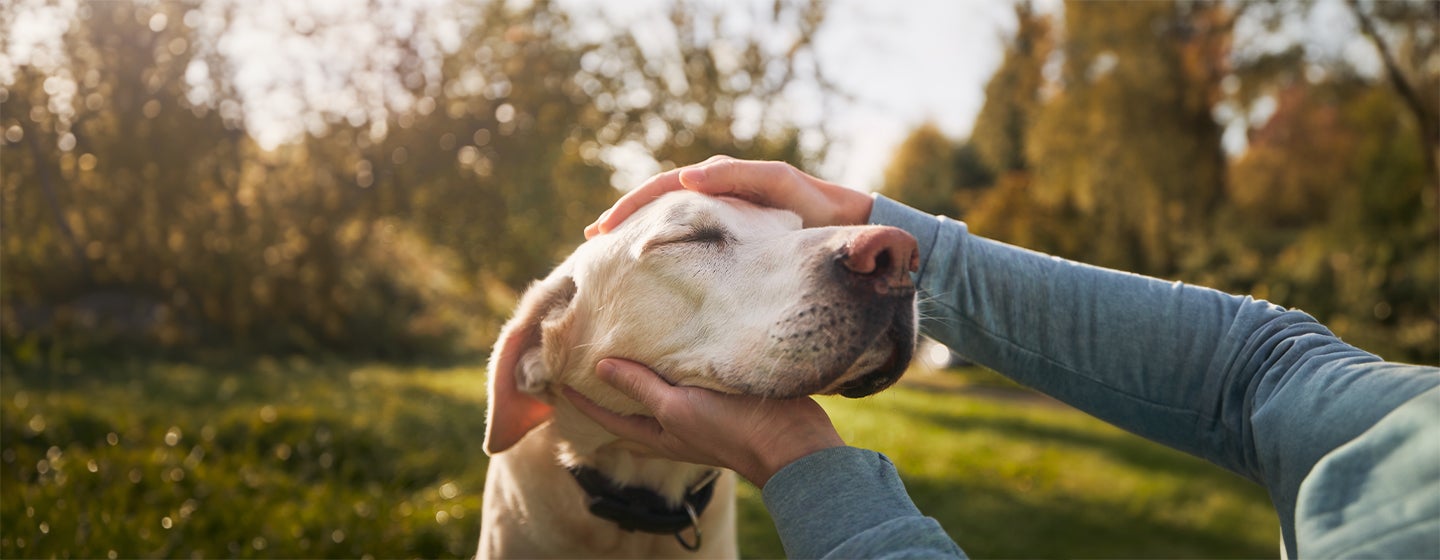
By understanding your dog’s behaviour and ways of communicating, you can develop a special and strong bond with your dog. You can learn how your dog communicates through everyday activities: when you play and train together and when you groom your dog. When observing your dog’s body language, take into account your surroundings and what’s going on. This can help you to understand what your dog may be trying to communicate. By understanding your dog’s body language, your bond will be strengthened. FRIENDLY AND PLAYFUL When your dog’s tail is wagging, there is eye contact between the two of you and their body is lowered towards the front end, your dog is feeling friendly and is eager to play. INTERESTED If your dog’s tail is horizontal with their ears and body leaning forwards, they may be interested in something close by. PLEASURE A dog rolling on its back, or with their front legs stretched and their head lolled to one side is feeling very happy and relaxed. FEAR AND AGGRESSION Dogs often show fear by having their tail tucked under their legs. They may also avoid eye contact and keep their head lowered. Aggressive dogs can hold their tail motionless and growl. It is important to note that dogs showing fear or aggression can be dangerous, as they may be more inclined to bite. If you are concerned with your dog showing signs of aggression or fear consult a animal behaviouralist to assist you in correcting the behaviour. SUBMISSION If your dog’s head and body are lowered towards the ground and their tongue is licking the air, they are showing submissive behaviour. This may be to people or other animals. If you have further questions on dog behaviour contact our Purina Pet Care Advise Teamhere.
Training Techniques for your Puppy
2 mins read
Young puppies are the best pupils! Beginning training when your dog is young will give them the key skills to be a friendly and sociable adult. They will be more obedient, better behaved and more sociable when they have received good training from you. Additionally, the time spent with your puppy whilst training will also help to foster a special bond between you. Remember, training takes time. It won’t come magically overnight, so be patient with your puppy! TIPS AND TRICKS Keep it interesting! Dogs generally have a short attention span. Keep what you are trying to teach short and interesting for best results. Don’t overload your puppy with too much information, simplicity is key. VOICE TONE AND SIGNALS Be consistent with your tone of voice, and any rules you have, so that your puppy knows what to expect. Keep your voice signals simple, using commands like “sit”. Try to maintain a positive vocal tone and use positive reinforcement such as “good dog” when your puppy does something well. Negative phrases or punishment training may lead to stress or anxiety for your dog – weakening your friendship. STRUCTURE AND ROUTINE Be patient and determined in training. By giving your puppy structure and a regular routine, they will be more likely to remember what you have taught them. LOVE AND REWARDS Love and rewards are essential for training! Let them know when they do well by showing them affection. Give your puppy their favourite dog treat as part of their daily allowance, when they have done something positive. This will reinforce good behaviour by your puppy. BEHAVIOUR MANAGEMENT Your puppy may have behaviours that need to be corrected, such as excessive chewing or biting. Though most puppies chew and bite as they grow up and explore their surroundings, it can be potentially dangerous for them. This behaviour needs to be managed. You can discourage your puppy from excessive chewing for health and safety, as well as their general happiness. Being firm with your puppy if you see behaviour that needs to be managed is essential. Remember to praise your puppy for any good behaviour, so they recognise that their behaviour is good. FINDING MORE TRAINING ADVICE For more detailed or advanced training, there are many professional trainers around, or you could invest in other methods such as a training DVD or a book on the subject. If you have further questions on training techniques contact our Purina Pet Care Advise Teamhere.
Your Puppy Meets the World
2 mins read
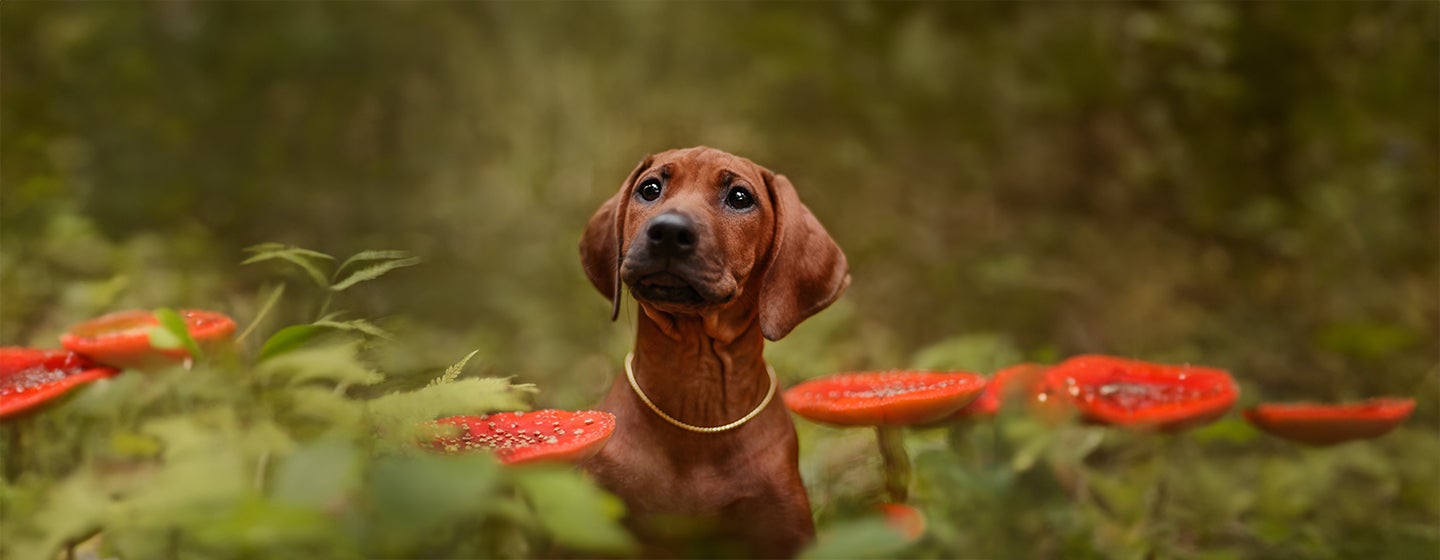
A new puppy has so much to see and learn. They have to take in a host of new environments and build familiarity with other people and pets. Essentially, they have a lot of new information to take in! AT HOME Firstly, your puppy will be introduced to its home environment. To help build familiarity at home, take care to introduce them to their essentials, such as their basket, toys, food and water bowls. When they begin to feel more comfortable in their home setting, you can begin to think about socialising your puppy with other people and other environments. OUTSIDE After your puppy has completed their necessary vaccinations, and they are feeling comfortable with their home environment, you can help them begin to discover the big, wide world. This should be done in a calm and safe environment so your puppy does not become frightened. When they’re ready, take them for walks in lots of different places. This will expose them to different sights and sounds, and will help them know that anything unfamiliar is not scary. You could try taking your puppy to shopping centres, parks and other places that allow dogs, to help them get used to new environments. WITH OTHERS Letting your puppy socialise with other people is key for their development. It will encourage them to become more friendly and outgoing as they get older, rather than shy or frightened. Exposing your puppy to lots of family members and visitors between the age of three and sixteen weeks will significantly lessen the chance of them being fearful around strangers as an adult. Make sure your puppy is introduced to a variety of people, young and old, including children. Keeping the situation calm when introducing your puppy to other people and pets is essential. You can do this by using clear and concise commands, such as “sit”. If you introduce your puppy to people whilst they’re wearing a collar and lead, they will be less inclined to jump up, and the interactions will be as relaxed as possible. If you have further questions on introducing your puppy to the world contact our Purina Pet Care Advise Teamhere.

Getting a New Cat
2 mins read
How Can Getting a Cat Change Your Life? Bringing a cat into your home is the first step in creating a bond that can make both of your lives better. From reminding you to play to helping give your children an early lesson in responsibility, we think you’ll find that a cat can change your life in all kinds of positive ways. BENEFITS OF PET OWNERSHIP What to Consider Before You Get a New Cat 1. THINK ABOUT THE BASIC CARE AND TRAINING YOU’LL NEED TO PROVIDE FOR YOUR NEW CAT How can you prepare your home to be a comfortable place for your new cat? What toys and supplies do you need? How can you ensure your cat will get along with any pre-existing pets? Good planning will ensure a smooth transition and the chance to establish a healthy bond right away. 2. ESTABLISH YOUR FAMILY’S ROLES There’s something for everyone in your family to do when it comes to looking after your cat. Ensure that all family members have a clear understanding of their roles in the care-taking and that they treat the cat in the same consistent manner. 3. PLAN FOR COSTS You’re going to want to plan ahead and budget for all the care your cat will need, including visiting the veterinarian and buying supplies. 4. YOUR LIFESTYLE AND ENVIRONMENT Did you know the reason many pets are relinquished to shelters is their owner’s living scenario changes? Whether it’s roommates, moving, landlords or just not having enough space, factors related to your living space may make having a pet more difficult than you originally thought. Make sure that you have the permission of everyone in your living space before bringing a pet into your home. If it’s not the right time for you, don’t worry – there will be plenty of pets looking for homes when you do become ready. 5. WHICH CAT IS RIGHT FOR YOU? A lot of people looking to adopt or buy want to get the same type of cat they had when they were kids, without realising that personality may be more important than breed or colouring. Some cats need more social time and attention, and some might be perfect for you if you have a busy lifestyle. 6. WHERE YOU’LL FIND YOUR NEW CAT Breeders and local shelters are just two of the many places where you can go to find the cat for you. It’s important to check that you are adopting or buying your cat from a reputable local shelter or breeder.
Finding Your New Cat
1 min read
Let's Adopt a Cat! Now that you know what you’re looking for in a cat, it’s time to decide where you should go to start your search. Some people looking for a specific breed may want to go to a breeder. If you’re looking for a cat based on personality, you have many options. You can visit a shelter, a rescue organisation, a foster home or a pet shop. Wherever you choose to get your cat, we hope we’ve helped you find a companion that will make your life richer, more loving, and more adventurous. DID YOU KNOW? There are many systems in place that often work together to help all kinds of cats find lasting homes. Still deciding where to go to find your new cat? Here are some of your options. Shelters, Rescues and Foster Homes Rescue organisations and shelters are dedicated to pet welfare. Rescue organisations often care for animals through a network of private foster homes rather than in an animalshelter. Foster homes provide temporary, in-home care for one or more animals through the auspices of an animal shelter or animal rescue organisation. Foster caregivers may be either volunteers or staff members of animal welfare organisations or a local council, and may foster animals for a number of different reasons. For example, foster homes are often needed for pets that are not yet ready for adoption (sick, injured, recovering from surgery, not yet weaned, needing socialisation or other behaviour modification, etc.) or pets for whom there is not enough space in the shelter. Some rescue groups operate completely via a network of foster homes.

Pagination

  • First page
  • Previous page
  • …
  • Page 3
  • Page 4
  • Page 5
  • Page 6
  • Page 7
  • Page 8
  • Page 9
  • Page 10
  • Page 11
  • …
  • Next page
  • Last page
Purina Pet Club logo

Join Purina Pet Club for expert tips, helpful advice, exclusive offers and rewards.

Join the Club
Nourishing pets Purina pets grid card
Purina Pet Club logo

Join Purina Pet Club for expert tips, helpful advice, exclusive offers and rewards.

Join the Club
Nourishing pets Purina pets grid card
  • Cat
    • Care & Advice
    • Find a Pet
    • Food
    • Our Brands
  • Dog
    • Care & Advice
    • Find a Pet
    • Food
    • Our Brands
  • About Us
    • Our Mission
    • Our History
    • Our Purina Promise
    • Purina In The Community
  • Other
    • Join Purina Pet Club
    • Breed Selector
    • Contact Us
  • Cat
    • Care & Advice
    • Find a Pet
    • Food
    • Our Brands
  • Dog
    • Care & Advice
    • Find a Pet
    • Food
    • Our Brands
  • About Us
    • Our Mission
    • Our History
    • Our Purina Promise
    • Purina In The Community
  • Other
    • Join Purina Pet Club
    • Breed Selector
    • Contact Us
  • Cat
    • Care & Advice
    • Find a Pet
    • Food
    • Our Brands
  • Dog
    • Care & Advice
    • Find a Pet
    • Food
    • Our Brands
  • About Us
    • Our Mission
    • Our History
    • Our Purina Promise
    • Purina In The Community
  • Other
    • Join Purina Pet Club
    • Breed Selector
    • Contact Us
  • Cat
    • Care & Advice
    • Find a Pet
    • Food
    • Our Brands
  • Dog
    • Care & Advice
    • Find a Pet
    • Food
    • Our Brands
  • About Us
    • Our Mission
    • Our History
    • Our Purina Promise
    • Purina In The Community
  • Other
    • Join Purina Pet Club
    • Breed Selector
    • Contact Us
© 2026 Purina. All Rights Reserved.

©Reg. Trademark of Nestlé S.A.

Terms & Conditions
Privacy Policy
Cookies
© 2026 Purina. All Rights Reserved.

©Reg. Trademark of Nestlé S.A.

Terms & Conditions
Privacy Policy
Cookies
© 2026 Purina. All Rights Reserved.